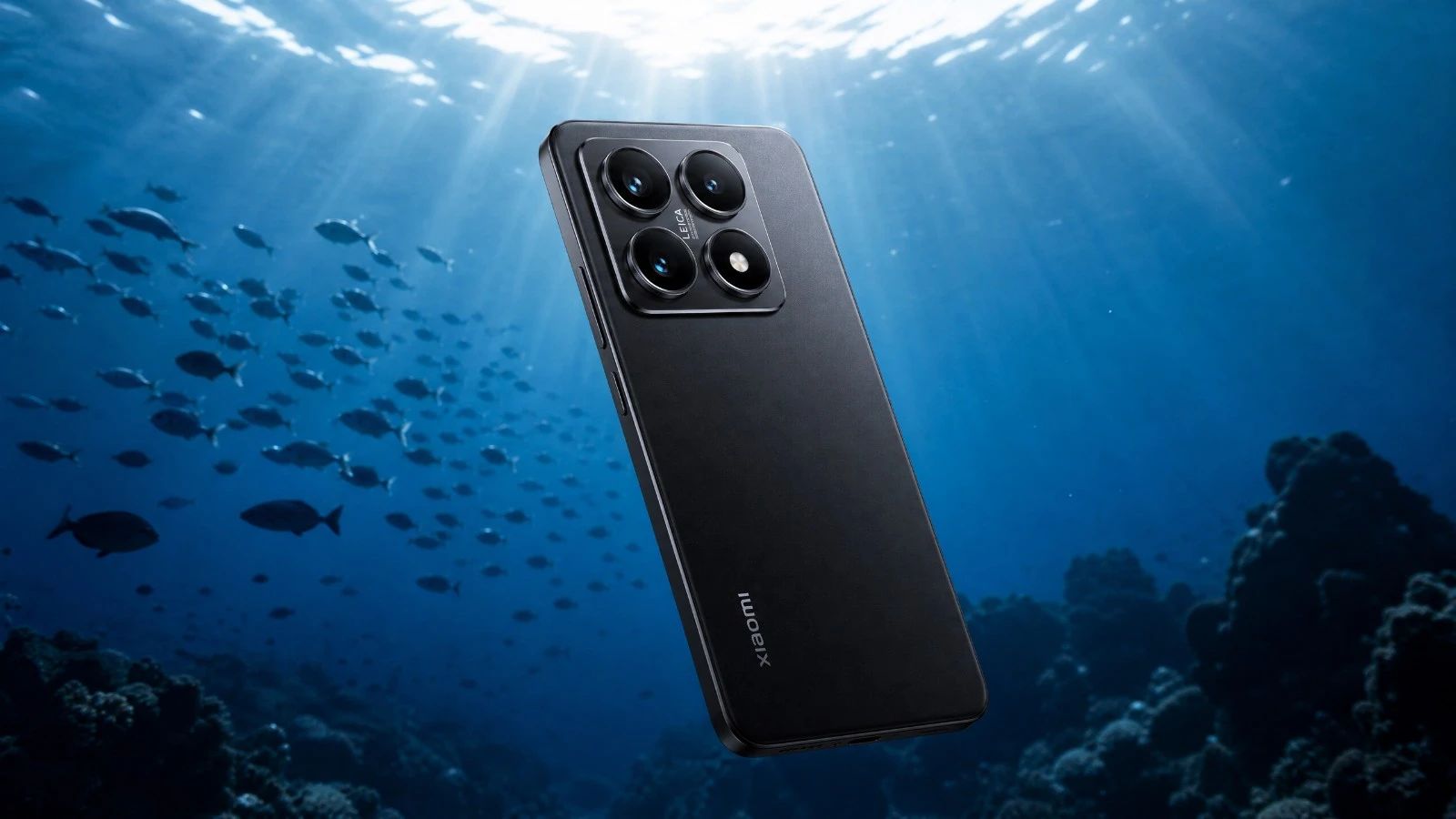
Is the Xiaomi 14T Pro suitable for underwater photography?
The Xiaomi 14T Pro is a capable device for underwater photography, especially thanks to its 50MP main sensor and the Leica optics. However, its USB 2.0 port is a significant limitation when transferring large video files. It performs well for still photography. For video, you need to be patient.
What underwater housing is suitable for the Xiaomi 14T Pro when diving?
For the Xiaomi 14T Pro, the Divevolk SeaTouch 4 Max housing is the obvious choice. It offers good protection and allows you to use the touchscreen underwater, which is a real advantage for framing shots and adjusting settings.
Does the Xiaomi 14T Pro shoot in RAW format while diving?
Yes, the Xiaomi 14T Pro supports the RAW format. This is definitely an advantage for post-processing, as it gives you much more flexibility to correct colors and exposure, which is very useful in underwater photography with natural light.
What is the battery life for a day of three dives using the Xiaomi 14T Pro?
With its 5000 mAh battery, the Xiaomi 14T Pro can easily last a full day of three dives, provided you don't overuse extended 4K video recording. The 120W fast charging is a bonus if you have access to an outlet between dives, but underwater, it's the basic battery life that matters most.
Should I use an anti-fog treatment with this device?
Yes, absolutely. Due to its aluminum housing, the risk of condensation in cold water (below 15 degrees Celsius) is significant. Using an anti-fog treatment (silica gel packet or insert) inside the housing is mandatory before each dive.
How can I quickly transfer my photos and videos from this device?
The wired connection of this device is limited to the USB 2.0 standard (approximately 35-40 MB/s). To quickly transfer your RAW files or video clips, prioritize fast wireless transfers using the ecosystem's features (AirDrop on iOS, Quick Share on Android) or by removing the memory card if the housing allows it.
- **Is the Xiaomi 14T Pro good for underwater photography?**
The Xiaomi 14T Pro is a capable device for underwater photography, especially thanks to its 50MP main sensor and Leica optics. However, its USB 2.0 port is a significant limitation for transferring large video files. It performs well for still photography. For video, you need to be patient.
- **What housing is suitable for the Xiaomi 14T Pro for diving?**
For the Xiaomi 14T Pro, the Divevolk SeaTouch 4 Max housing is the obvious choice. It offers good protection and allows you to use the touchscreen underwater, which is a real advantage for framing and settings.
- **Does the Xiaomi 14T Pro support RAW format when diving?**
Yes, the Xiaomi 14T Pro supports the RAW format. This is a definite advantage for post-production, as it gives you much more flexibility to correct colors and exposure, which is very useful in underwater photography with natural light.
- **What is the battery life for a day of three dives with the Xiaomi 14T Pro?**
With its 5000 mAh battery, the Xiaomi 14T Pro can easily last a full day of three dives, provided you don't overuse extended 4K video recording. The 120W fast charging is an advantage if you have access to a power outlet between dives, but underwater, basic battery life is what matters.
Test Xiaomi 14T Pro: Underwater Photography Review and 2026 Score
When it comes to underwater photography using natural light, the choice of camera is a crucial factor. The Xiaomi 14T Pro has entered the market with enticing promises, particularly its partnership with Leica. I had the opportunity to put it to the test, pushing it to its limits, to see what it truly offers once submerged. Forget marketing specifications- what matters is real-world performance, responsiveness, and the ability to withstand the constraints of our underwater environment. Let's explore together whether this smartphone is a reliable companion for your aquatic explorations, or if it remains best suited for land use.
The Verdict in Summary
Overall Score: 3.5/5
Criteria
AquaExposure Score
Explanation
B1 Optics
4/5
High-quality Leica optics, a powerful main sensor.
B2 RAW
4/5
Usable RAW files, good room for maneuver in post-production.
B3 Storage
3/5
Fast UFS 4.0 storage, but the USB 2.0 port is a bottleneck.
B4 Thermal Management
3/5
Generally good performance, but be aware of potential overheating when recording extended 4K video in warm waters.
B5 Battery
4/5
5000 mAh, more than enough for a full day of diving.
B6 Autofocus
3.5/5
Fast on the surface, slightly less responsive underwater, but still effective.
B7 Housing
5/5
Perfect compatibility with the Divevolk SeaTouch 4 Max.
Ideal Profile: The Xiaomi 14T Pro is aimed at the informed enthusiast who seeks a good balance between image quality and budget. If you primarily take photos and occasional videos, and are willing to deal with slower file transfers, it can be an excellent choice. It's a device for those who want beautiful images without breaking the bank, and who understand the limitations of USB 2.0.
Analysis Section by Section
B1 Optics: The Leica Touch Underwater
The partnership with Leica is more than just marketing hype. The optics of the Xiaomi 14T Pro, especially on the main 50MP sensor, offer excellent image quality. Colors are accurate, sharpness is good, even in diffused natural light. You can feel a real commitment to quality. The wide-angle lens is effective for underwater landscapes, and the telephoto lens allows you to capture more distant subjects without too much loss of detail.
For further details: The 50MP main sensor with a size of 1/1.31" and an aperture of f/1.6 is a major asset. Optical image stabilization (OIS) helps compensate for small movements underwater, resulting in sharper images.
B2 RAW: Freedom in Post-ProductionThe Xiaomi 14T Pro allows you to shoot in RAW format. This is a crucial feature for any underwater photographer who wants to push their skills further. In RAW format, you have all the information captured by the sensor. This means you can correct white balance, adjust exposure, and recover details in shadows or highlights without degrading the image. This is what matters for capturing stunning shots, even with the blue cast of the water.
B3 Storage: Fast, but the transfer…
The device features UFS 4.0 storage, which is excellent for internal read and write speeds. Your photos and videos are recorded without any lag. The problem, the real issue, is the USB 2.0 port. Transferring a full card of 4K video after a day of diving can take an incredibly long time. This is a point to consider if video is your priority.
For more information: The Xiaomi 14T Pro uses a USB 2.0 port (480 Mbps). This is slow compared to current standards (USB 3.2 at 10 Gbps). Wi-Fi 7 can help with wireless transfers, but for large files, a cable remains the best option, and here, it's a significant drawback.
B4 Thermal Management: Keeping things coolThermal management is adequate for photography. However, if you are recording long sequences in 4K, especially in warm tropical waters, the device may start to overheat. This isn't critical, but it can lead to a slight decrease in performance or a limitation of recording time. You should be aware of this and take breaks if necessary.
B5 Battery: Underwater Endurance
With a 5000 mAh battery, the Xiaomi 14T Pro performs well. You can expect a full day of diving with three dives without worrying about running out of power. The 120W fast charging is a plus for recharging between sessions if you have access to electricity, but underwater, it's the raw capacity that makes the difference.
Before each dive session, remember to check your external battery pack. Use our portable battery comparator tool to choose the power bank that is suitable for your housing and your desired autonomy.
B6 Autofocus: Responsiveness in Aquatic Environments
The autofocus is fast and accurate on the surface. Underwater, it remains effective, but you may sometimes notice a slight hesitation, especially with subjects moving quickly or in low-light conditions. You need to anticipate slightly more, but it generally works well. This is a key factor in not missing that crucial moment.
B7 Housing: The Essential CompanionFor the Xiaomi 14T Pro, the Divevolk SeaTouch 4 Max housing is the recommended choice. It's robust, reliable, and allows you to use the smartphone's touchscreen underwater. This provides real convenience for navigating menus and adjusting your settings. The phone fits perfectly inside, and the entire setup is ready for diving.
The Divevolk SeaTouch 4 Max is the reference housing for the Xiaomi 14T Pro. It offers excellent protection and a well-designed ergonomics for underwater use. Be sure to check the exact compatibility of your model with the housing, but generally, the standard version of the SeaTouch 4 Max is perfectly suitable.
Field Workflow
Prepare your photo settings before entering the water. Underwater, focus on framing and composition. RAW mode is your friend for post-production. For video, be selective about key moments to avoid filling up the memory too quickly, and allow time for transferring files via USB 2.0.
Important Considerations
The USB 2.0 port is a potential limitation of this device for video recording. If you are an avid videographer, this may become frustrating. Also, remember to protect your phone inside the housing. The aluminum/glass chassis is sturdy, but a silica gel packet is essential to prevent condensation.
PriceThe Xiaomi 14T Pro positions itself as a more affordable option than some flagship phones, while still offering very respectable photographic performance. It's an excellent value for underwater photography, provided you are willing to accept its few compromises.
Our Verdict
The Xiaomi 14T Pro is a capable smartphone for underwater photography in natural light. Its Leica optics and main sensor deliver high-quality images. The ability to shoot in RAW format is a major advantage. The key drawback is its USB 2.0 port, which significantly slows down video transfer speeds. If you are primarily a photographer and patience isn't an issue when it comes to transfers, this is an excellent choice that offers a lot for its price. For those who shoot a lot of video, you will need to deal with this limitation. It doesn't revolutionize the genre, but it does the job, and it does it well.
Learn Underwater Photography with This Device
Want to master your Xiaomi 14T Pro underwater and enhance your photos? Visit our learning platform for courses dedicated to underwater photography in natural light. Whether you are a beginner or want to refine your techniques, our modules will guide you step-by-step. AquaExposure trainingTo learn more about condensation and overheating, read our dedicated article: Overheating and Condensation of Smartphones in Underwater Housings.