Underwater Pollution Photography- Documenting the Impact to Drive Change.
How to photograph underwater pollution and inspire real change. The AquaExposure method: composition, beauty vs. waste contrast, Dive Against Debris, responsible publishing. A comprehensive guide.
How can I photograph underwater pollution without the photos looking unsightly?
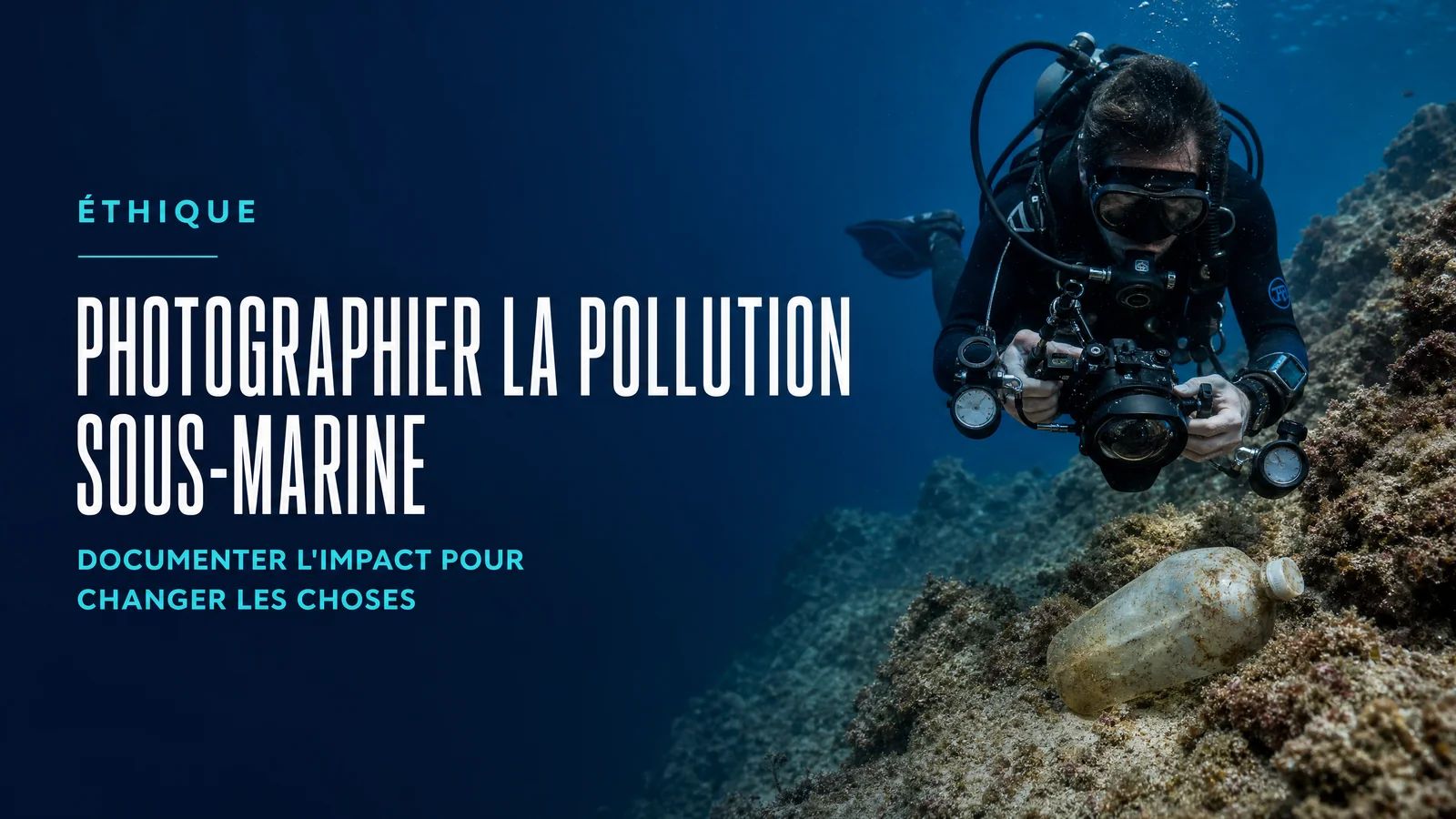
Contrast is your primary tool. Frame the piece of trash in the foreground with a healthy reef or a fish in the background. The visual contrast between the threatened beauty and the foreign object is more impactful than a pile of garbage alone. Add a human element (your gloved hand, a diver in the background) to ground the image in physical reality.
Should I take photographs first, or should I collect any trash I find while diving?
Photograph first, then collect if it is feasible and safe. A documented photograph has lasting value. Collecting a piece of trash without any visual record solves the problem locally but doesn't change the overall system. Ideally, do both: take a geolocated photo, collect the item, and then report it through Dive Against Debris.
What apps can be used to report pollution found while diving?
Dive Against Debris (Project AWARE) is the leading global platform for reporting and mapping underwater debris collected. iNaturalist also accepts observations of pollution related to a specific marine species that has been affected. Some marine nature reserves have their own local reporting forms.
Is it ethical to leave pollution in place for the purpose of photographing it before collecting it?
Yes, provided that you can collect it immediately after finding it, if it is feasible and safe to do so. Documentation takes priority over immediate collection because it creates a recordable piece of evidence and an image that remains valuable long after the dive. If the object is too large or dangerous to recover alone, photograph it and report it to the maritime authorities or the zone manager.
What equipment do you recommend for photographing underwater pollution?
Your usual equipment is sufficient. For large debris like ghost nets or bottles, use the wide-angle or ultra-wide mode on your smartphone. For microplastics and fine particles, a macro lens will provide better results. Natural light is preferable to flash, which can create backscatter on suspended particles.
How can I share underwater photographs of marine pollution responsibly on social media?
Always accompany an image with a potential action for the reader- such as the name of an initiative to join, a link to Dive Against Debris, or the name of the marine park involved. Avoid creating a sense of hopelessness without offering solutions. A comment like "the ocean is dying" won't motivate anyone. Instead, a comment like "here's how you can take action" opens up concrete possibilities.
Do underwater photography competitions accept environmental documentary images?
Yes. Most major competitions (such as UPY, Ocean Art, and DEEP Indonesia) have categories for conservation or behavior that accept documentary-style images. Some offer specific prizes for images with environmental impact, recognizing their value beyond purely aesthetic considerations.
Photographing underwater pollution means choosing to document what most divers would rather not see. When done well, this work can change local policies, trigger cleanups, and make visible things that the surface public cannot imagine. It requires deliberate technique and a clear intention.
A decision at 12 meters deep
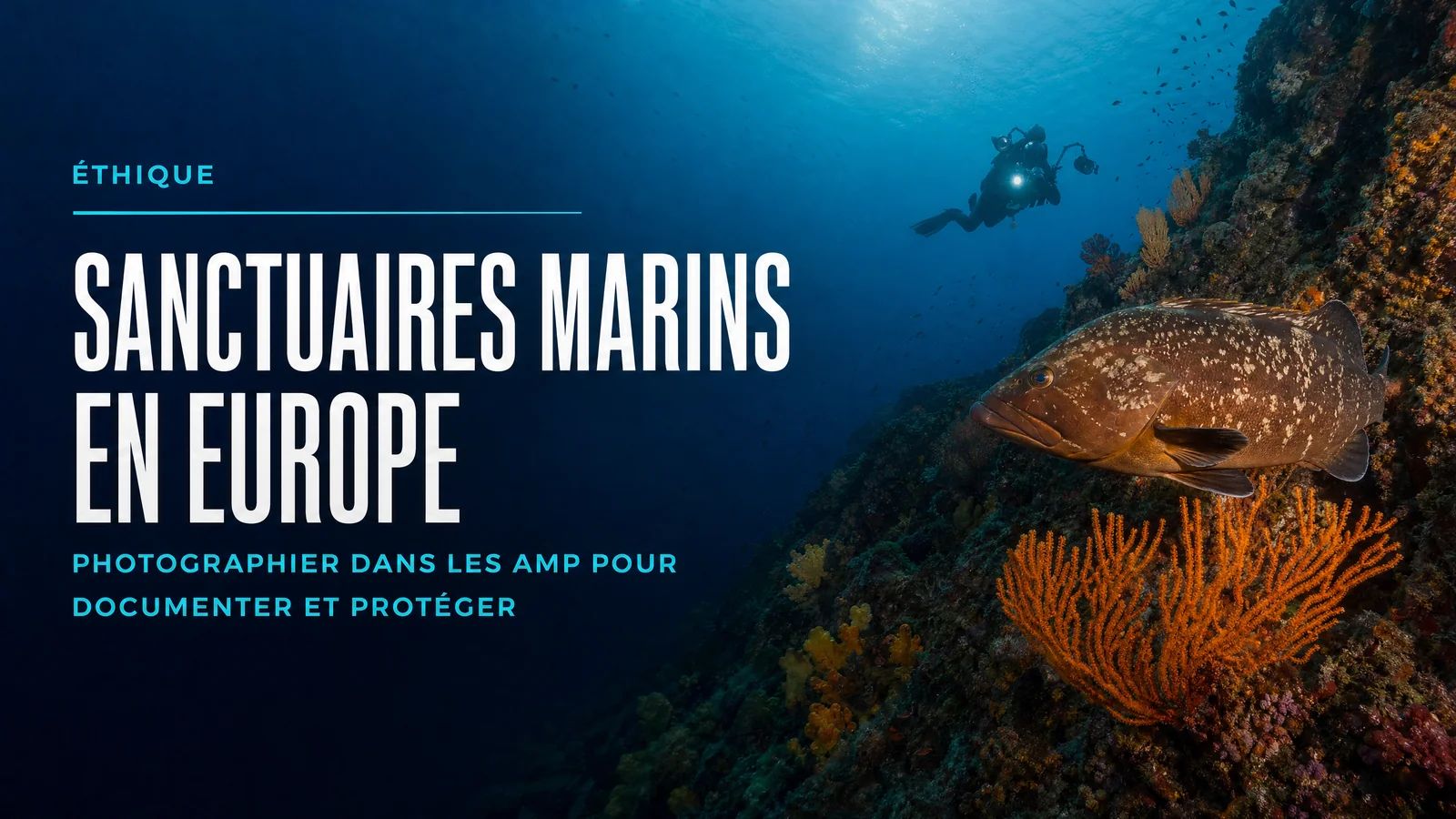
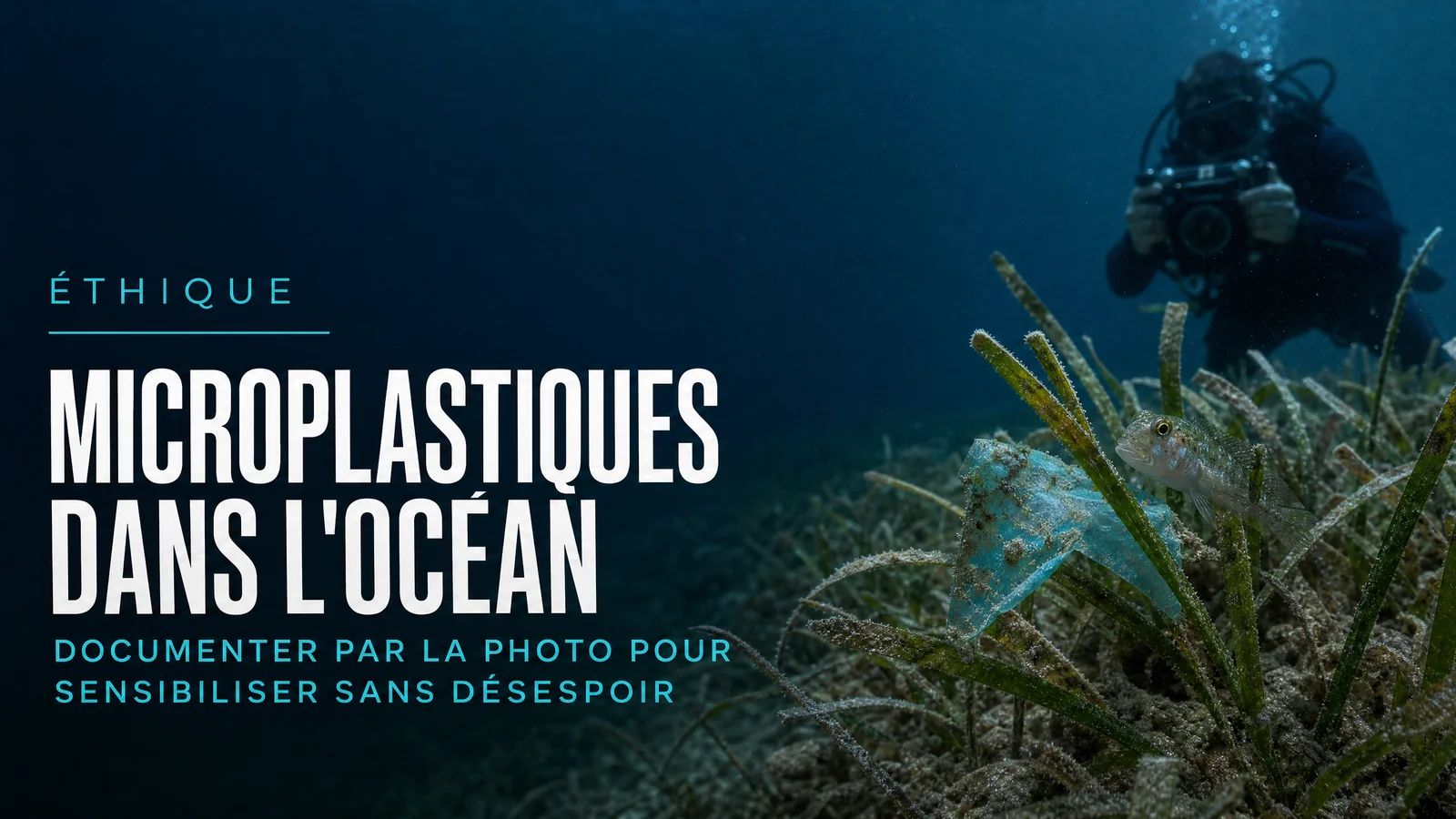
I was diving off the Catalan coast, in Llançà, when I saw the bag. A translucent blue plastic bag, caught under a rock covered with posidonia seagrass, gently swaying in the current. Just next to it, a three-kilogram grouper observed the scene with the calculated indifference typical of its species. The natural inclination was to pull it out, bring it up, and feel useful. Instead, I took out my camera.
This decision changed my understanding of my role as an underwater photographer.
Picking up that bag would have taken thirty seconds. The photo I took, with the grouper perfectly framed in the background and the posidonia visible around the object, was later circulated in two specialized publications. It contributed, along with other photographic evidence, to a request for increased monitoring in this coastal area. The bag disappeared in one minute. The image worked for months.
This is not an argument against collecting trash. It's an argument for documenting before collecting.
Documenting, not just photographing: the difference that mattersThere is a fundamental difference between collecting debris while diving (which is useful, necessary, and should be done) and documenting underwater pollution (a complementary approach that is often more powerful on a systemic level).
Documenting involves producing evidence that provides location data (GPS coordinates, date, depth), context (the marine species coexisting with the debris, observed density, type of plastic identified), and allows for dissemination (to managers of marine protected areas, media outlets, citizen databases).
Protecting marine life requires both approaches. However, documentation creates a map that simple collection never achieves.
The Value of Your Field Data
Project AWARE, the organization managing Dive Against Debris, has mapped over one and a half million pieces of underwater debris thanks to reports from citizen divers since the program's launch. This data has directly contributed to policies banning single-use plastics in several European coastal countries and served as a basis for scientific studies on the distribution of waste at different depths.
Each report you submit after a dive is a piece of data within this global map. Each geolocated photo provides additional evidence that strengthens these data.
The AquaExposure Method for Photographing PollutionEffective underwater pollution photography isn't necessarily the ugliest picture. It's a photograph that compels you to look without turning away, creating a strong emotional reaction that triggers action. This requires deliberate technique.
The Beauty/Waste Contrast as a Narrative Tool
Contrast is the most powerful tool at your disposal. A single ghost net in the blue is an image of abstract destruction. However, the same net with a fish trapped inside, photographed backlit from below with the seabed visible, becomes an image that tells a story and triggers a visceral reaction.
Look for contrast in your composition:
A clear piece of trash in the foreground with a living reef blurred in the background. A fish or turtle visible next to the foreign object. Marine vegetation (posidonia, gorgonian coral, coral) partially suffocated or surrounded by plastic. A healthy and colorful seabed interrupted by the presence of the intrusive object.
The living background is not a distraction, it's the real subject of the photograph. The trash reveals something.
Human Scale as a Reality AnchorFor audiences unfamiliar with diving, it can be difficult to intuitively grasp the size of objects underwater. A plastic bottle that is 25 centimeters long might appear tiny in a photograph without any reference points. Including your gloved hand in the frame, or the silhouette of another diver in the background, immediately grounds the viewer in the physical reality of what you are showing.
This human element also has an empowering effect- it shows that divers are present, that they are observing, and that they are bearing witness.
Spatial Context as Irreplaceable Information
Photograph with a wide enough angle to show where the piece of debris is located within the ecosystem. A plastic bag in the middle of a seagrass meadow conveys a very different message than a plastic bag on a bare sand bottom. The presence of a sensitive habitat within the frame dramatically changes how the image is interpreted and its potential impact.
Spatial context is information that text alone cannot convey as quickly or effectively as a well-composed photograph.
Technical Settings Suitable for This Type of Subject
Natural light works better in these situations than flash, for two key reasons. First, flash creates backscatter on suspended particles, which are often abundant in areas with high pollution. Second, natural light renders colors more accurately, which enhances the documentary credibility of the image.In terms of camera settings: use a relatively small aperture (f/5.6 to f/8, depending on the available light) to maintain both foreground detail and background context. Adjust the ISO according to the depth and amount of natural light. If your equipment allows it, shoot in RAW format- color correction for blue casts and recovery of highlights are more precise than with JPEG.
Working alone is less effective than contributing to a shared database. Several structured initiatives accept your images and field data.
Dive Against Debris (Project AWARE)
This is the leading global platform for documenting underwater debris. After each cleanup or documentation dive, you can submit a report: type of waste, estimated quantity, precise GPS location, diving conditions, and associated photos.
The application is free, and the process takes less than ten minutes after the dive. The data you submit directly contributes to reports submitted to international ocean conservation organizations and governments that have signed marine conventions.### 5 Gyres and Monitoring Plastic Pollution in the Ocean
5 Gyres focuses on plastics in the open ocean and surface microplastics. Their citizen science program allows divers and sailors to contribute to pollution surveys. Less applicable to deep dives, but relevant for shallow coastal dives, snorkeling, and freediving excursions.
iNaturalist: Bridging Photography and Science
iNaturalist accepts observations of pollution when they are associated with a marine species that is affected. A photo of a sea turtle with visible plastic in its immediate environment is valid scientific data both about the behavior of the species AND about the pollution in the area. It's two contributions for a single image.
To maximize the impact of your observations, also learn about the Reef Check and BioObs protocols, which incorporate indicators of pollution into their standardized surveys.
Responsible Publishing: The "And Now What?" Rule
Underwater photos of pollution, when poorly published, produce the opposite effect of what is intended: a feeling of helplessness, despair, and emotional rejection. When well-published, they can mobilize people to action.
The Essential Call to ActionWhenever you publish a photo of underwater pollution, accompany it with a concrete call to action for the reader. This could be a link to Dive Against Debris for reporting issues, the name of the marine area manager to contact, the date of the next cleanup organized in the region, or an invitation to join a local citizen initiative.
Without this outlet, the photo creates emotion without providing a way to take action. Unfocused emotion dissipates into frustration, or even resignation.
Show the beauty that is threatened, not just the destruction
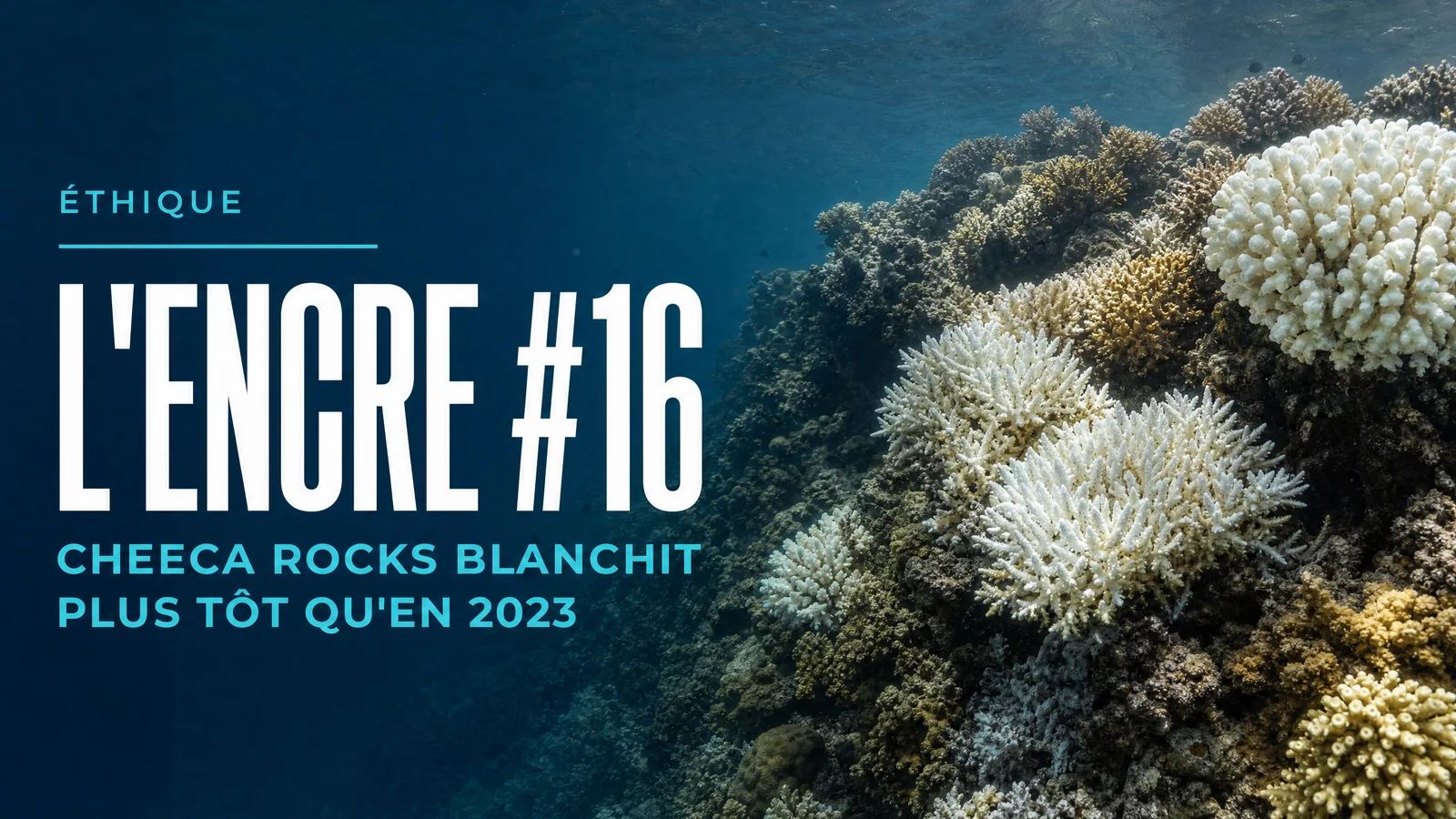
The approach I have advocated for years is to first show what we want to protect. Coral bleaching is more impactful when contrasted with a healthy coral photographed in the same location. The pollution of a Posidonia seagrass bed is more shocking when you've first shown what that seagrass bed looks like – intact, alive, teeming with small fish.
Alternate in your communication: an image of beauty, an image of threat, an image of action or a solution. This narrative sequence is infinitely more effective than a succession of images depicting destruction, which ultimately numbs the viewer.
Channels that have a measurable impactLocal diving organizations (such as LIFRAS in Belgium, FFESSM in France, and FSSS in the French-speaking part of Switzerland) have networks that directly reach active and motivated divers. Sharing your documentation with them before publishing it on your own platforms can significantly increase its impact and lead to concrete collective actions.
Specialized media outlets focused on diving and marine conservation are looking for high-quality documentary images accompanied by a story. An article featuring your photo has a much longer lifespan and greater credibility than an isolated post on Instagram.
The managers of marine protected areas and marine natural parks are often very interested in field data and geolocated photos. A direct email with your report and images can trigger concrete administrative action that no social media post would achieve.
When Images Have Actually Made a Difference
This is not anecdotal. Several European marine conservation policies are directly linked to the pressure created by documentary evidence from citizen photographers and divers.Regulations regarding trawling in areas with Mediterranean seagrass (Posidonia) have been strengthened, partly thanks to the systematic photographic documentation of damage to these underwater meadows. Programs for collecting ghost nets in the Mediterranean and the North Atlantic have become more structured as the visibility of this problem has increased, and Dive Against Debris data has mapped the most affected areas.
Photo-identification of large marine species has demonstrated that divers can directly contribute to scientific research. Documenting pollution is a natural extension of this approach.
Incorporating Documentation into Your Photography Practice
If you dive regularly, you have likely already encountered pollution. The next time you do, reach for your camera before your hands. Take the time to compose your shot, look for contrast, and include context. Then, if possible, collect the debris and submit a Dive Against Debris report when you return to the boat.
This practice doesn't take any more time than a normal dive. It simply adds an extra layer of meaning to each dive.To delve deeper into this approach and learn how to structure your perspective as a photographer documenting underwater life, the AquaExposure underwater photography course integrates conservation as a central component of the practice, not just an optional add-on.
The beauty of the underwater world deserves protection. And sometimes, the best way to protect it is to show it in danger.
Underwater Pollution Photography- Documenting the Impact to Drive Change. | AquaExposure