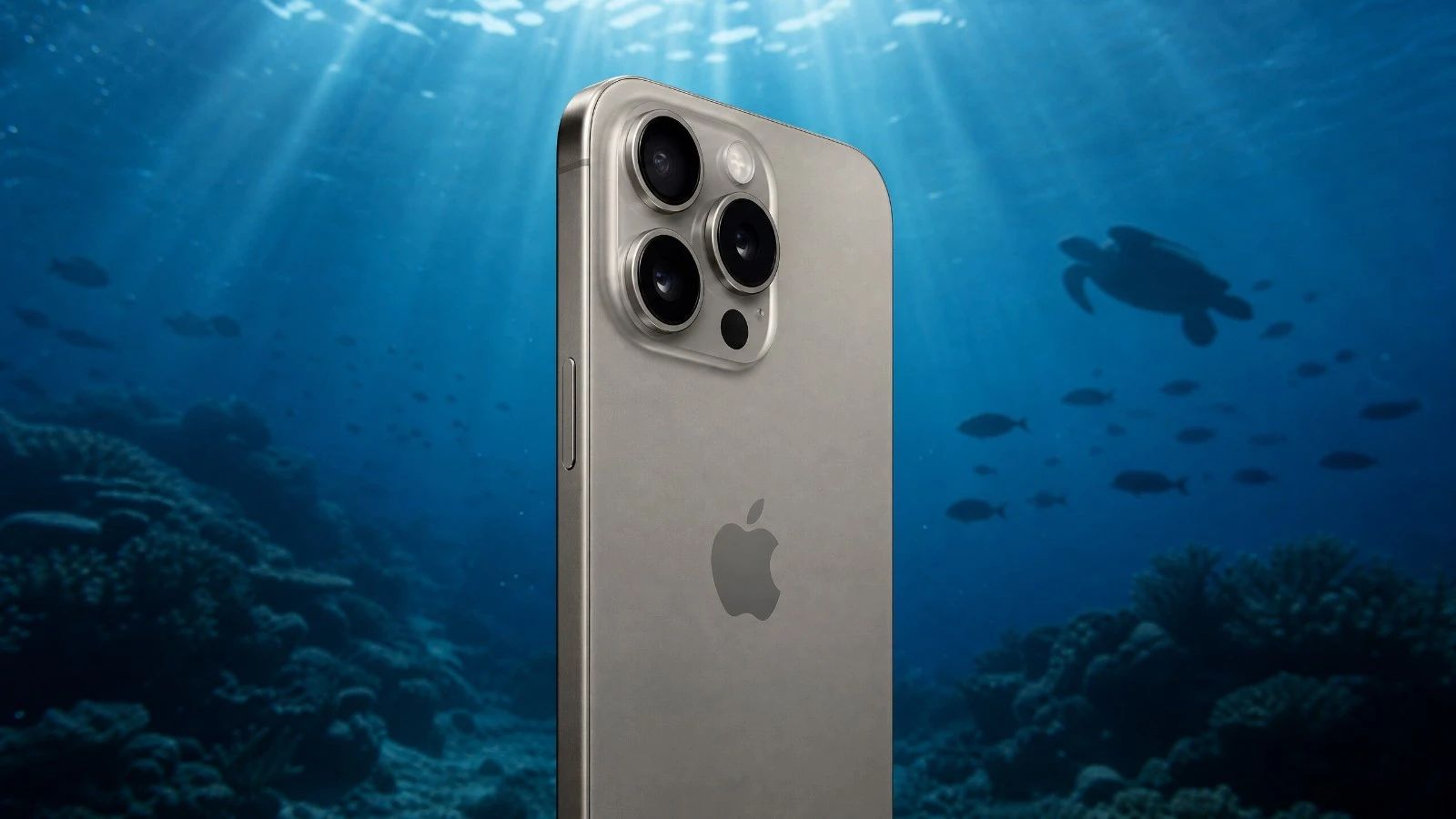
iPhone 15 Pro Scuba Dive Test: IP68 Limits, Depth in Feet & Housings (2026)
iPhone 15 Pro scuba dive test: IP68 rating limits (20 ft / 6 m) vs 196 ft (60 m) in a housing. 12-bit ProRAW, USB-C 3.2 speed, score 3.7/5 & Kraken, SeaLife, Divevolk guide.
Is the iPhone 15 Pro suitable for underwater photography?
Yes, the iPhone 15 Pro is an excellent compact choice for underwater photography in natural light. Its 48 MP main sensor, 12-bit ProRAW format, and fast USB-C 3.2 port make it a formidable tool. It requires careful battery management on multi-dive days, but the resulting image quality is remarkable.
What underwater housing is suitable for the iPhone 15 Pro when diving?
The Divevolk SeaTouch 4 Max is our recommended housing for full touchscreen functionality down to 196 ft (60 m). For divers who prefer physical electronic buttons with dual vacuum leak alarms, the SeaLife SportDiver Ultra (130 ft / 40 m) and Kraken Sports KRH08 V2 (262 ft / 80 m) are premier alternatives.
Can the iPhone 15 Pro shoot in RAW format while diving?
Yes, the iPhone 15 Pro natively captures 12-bit ProRAW in DNG format. For video, it records in ProRes with Log encoding. Using third-party tools like Blackmagic Camera, you can lock Kelvin white balance and manual ISO underwater.
What is the expected battery life for a full day of diving with three dives?
The 3274 mAh battery is the main constraint of the compact Pro body. For three 45-minute dives, keep the phone in airplane mode and turn down screen brightness. Bringing a 10,000 mAh portable power bank for a top-up between dives is highly recommended.
Should an anti-fog treatment be used with this device?
Yes, absolutely. The titanium chassis acts as a thermal bridge, and when dropping into cooler water below 68°F (20°C), internal heat triggers lens port condensation. Placing 2 to 3 silica gel packs inside the housing before each dive is mandatory.
How can I quickly transfer my photos and videos from this device?
The iPhone 15 Pro features a fast USB-C 3.2 Gen 2 port (up to 10 Gbps). You can offload large RAW folders directly to an external portable SSD in minutes between dives without needing a laptop.
iPhone 15 Pro Scuba Dive Test: IP68 Limits, Depth in Feet & Housings (2026)
The world of underwater photography is evolving rapidly. Every year, new smartphones challenge the need for dedicated compact cameras. The iPhone 15 Pro, with its lightweight titanium frame, LiDAR-assisted autofocus, and 10 Gbps USB-C data speeds, is one of the most attractive compact setups on the market. Can this pocket-sized phone truly compete with dedicated underwater systems? We put it through real-world scuba dive tests in natural light.
IP68 Water Resistance: Lab Ratings vs Scuba Diving Reality
Before planning a dive with your iPhone 15 Pro, it is crucial to understand the manufacturer water resistance specifications:
Apple rates the iPhone 15 Pro at IP68 under IEC standard 60529, certified up to 20 ft (6 m) for 30 minutes. This rating applies only to static fresh water in controlled laboratory conditions on a brand new phone. In real diving environments, saltwater exposure, hydrodynamic pressure from swimming, waves, and temperature drops easily compromise phone seals. Moreover, capacitive glass touchscreens do not register finger taps underwater due to water conductivity.
Taking an iPhone 15 Pro scuba diving requires a pressure-certified underwater housing certified to at least 130 ft (40 m) or 196 ft (60 m).
Solid 48 MP main sensor, 3x telephoto, good low-light behavior.
B2: RAW & Colorimetry
4.5/5
12-bit ProRAW offers extensive dynamic range to correct blue water casts.
B3: Storage & Transfer
4.0/5
USB-C 3.2 (10 Gbps) provides lightning-fast offloading to SSDs.
B4: Heat & Condensation
3.5/5
Titanium aids cooling, but cold water requires strict silica gel protocol.
B5: Battery
2.5/5
3274 mAh requires careful power management across multi-dive days.
B6: Underwater Autofocus
4.5/5
LiDAR and dual-pixel PDAF lock onto subjects swiftly in turbid reefs.
B7: Housing
4.5/5
Full compatibility with Divevolk, SeaLife, and Kraken universal housings.
Ideal User Profile: The traveling diver seeking a compact, high-performance camera system capable of shooting 12-bit RAW and ProRes without lugging heavy camera cases. They are willing to carry a small power bank to recharge between dives.
Analysis Section by Section
B1 - Optics & Sensor: A Window to the Underwater World
The iPhone 15 Pro packs a triple-lens camera system featuring a 48 MP main sensor (f/1.78, 24 mm equivalent, 1/1.28-inch sensor size), a 12 MP ultra-wide lens (f/2.2, 13 mm equivalent), and a 12 MP 3x telephoto lens (f/2.8, 77 mm equivalent).
In natural light down to 50 ft (15 m), the large main sensor captures rich contrast and crisp detail. Sensor-shift optical image stabilization compensates for diver movement and gentle surge, ensuring sharp exposures without motion blur. The 3x optical telephoto lens is particularly useful for portraits of moray eels, scorpionfish, and timid reef dwellers from a respectful distance.
B2 - RAW & Colorimetry: The Raw Material of the Image
Underwater photography in natural light is all about color recovery. Water absorbs red, orange, and yellow wavelengths as depth increases. Shooting in standard 8-bit JPEG results in heavy color banding when attempting to restore lost warmth.
The iPhone 15 Pro records in 12-bit ProRAW (DNG format), retaining uncompressed sensor data alongside Apple tone mapping. In post-production with Lightroom Classic, you can adjust Kelvin white balance smoothly to bring back authentic reef colors. Using third-party apps like Blackmagic Camera, you can lock your white balance prior to descent.
B3 - Storage & Transfer: Rapid Field Offloading
Filming in ProRes or shooting continuous 12-bit ProRAW creates substantial data volumes (roughly 75 MB per raw file). The USB-C 3.2 Gen 2 port on the iPhone 15 Pro supports transfer speeds up to 10 Gbps. You can dump 50 GB of footage to an external portable SSD in less than two minutes between dives, clearing space before the next descent.
B4 - Heat & Condensation: The Challenge of Cold Water
The Grade 5 titanium band on the iPhone 15 Pro conducts heat efficiently, which helps internal components stay cool during warm-water dives. However, when descending into cooler water below 68°F (20°C), the temperature differential between the warm phone chassis and the cold housing port causes moisture in the trapped air to condense.
To prevent fogged lenses, always drop 2 fresh silica gel packets into the housing tray and acclimatize your equipment in the shade before entering the water. For an in-depth physics explanation, read our complete guide on smartphone overheating and condensation in underwater housings.
B5 - Battery: A Critical Factor Underwater
With a 3274 mAh capacity, battery life is the main operational bottleneck of the compact iPhone 15 Pro. Intensive 4K video recording and high screen brightness consume roughly 30% to 35% battery on a single 50-minute dive.
To complete a 3-dive day without stress: - Switch to Airplane Mode before sealing the housing. - Lower screen brightness to 60%. - Carry a compact 10,000 mAh power bank on the dive boat for a lunch-break recharge.
B6 - Underwater Autofocus: Sharpness at the Right Moment
Autofocus performance is exemplary. The LiDAR scanner measures time-of-flight distance using low-intensity infrared light, instantly acquiring focus even in low-visibility water or overcast skies where contrast-detection autofocus struggles. Dual-pixel PDAF across 100% of the main sensor keeps fast-swimming pelagics sharp.
B7 - Housing: Essential Protection
Never compromise on your housing. To protect an expensive smartphone, choose a certified model rated for recreational scuba depths:
Divevolk SeaTouch 4 Max Plus: Certified to 196 ft (60 m). The patented conductive gel membrane allows complete touchscreen control underwater. You can tap to focus, change settings in Blackmagic Camera, and swipe through modes at depth.
SeaLife SportDiver Ultra: Certified to 130 ft (40 m). Sturdy polycarbonate construction with electronic Bluetooth controls and dual vacuum/moisture leak alarms.
Kraken Sports KRH08 V2: Certified to 262 ft (80 m). High-strength CNC aluminum body with electronic vacuum check and depth sensor.
1Clean the camera lenses with lens tissue before mounting the phone.
2Ensure the silicone O-ring is clean, lightly greased with silicone grease, and free of debris.
3Perform an immersion test of the empty housing in freshwater before your first dive of the trip.
4Set up manual Kelvin white balance and exposure lock at the surface.
Our Verdict
The iPhone 15 Pro is a remarkably capable underwater camera in a compact footprint. Its 48 MP sensor, 12-bit ProRAW capability, and 10 Gbps USB-C port make it a versatile tool for divers who prioritize travel efficiency. While battery management requires foresight, the image quality in natural light punches well above its weight class.
Learning Underwater Photography with This iPhone
Having a great camera is only the first step. Mastering natural light, buoyancy stabilization, and color grading transforms good snapshots into breathtaking marine imagery. Discover our step-by-step curriculum in the AquaExposure training program.