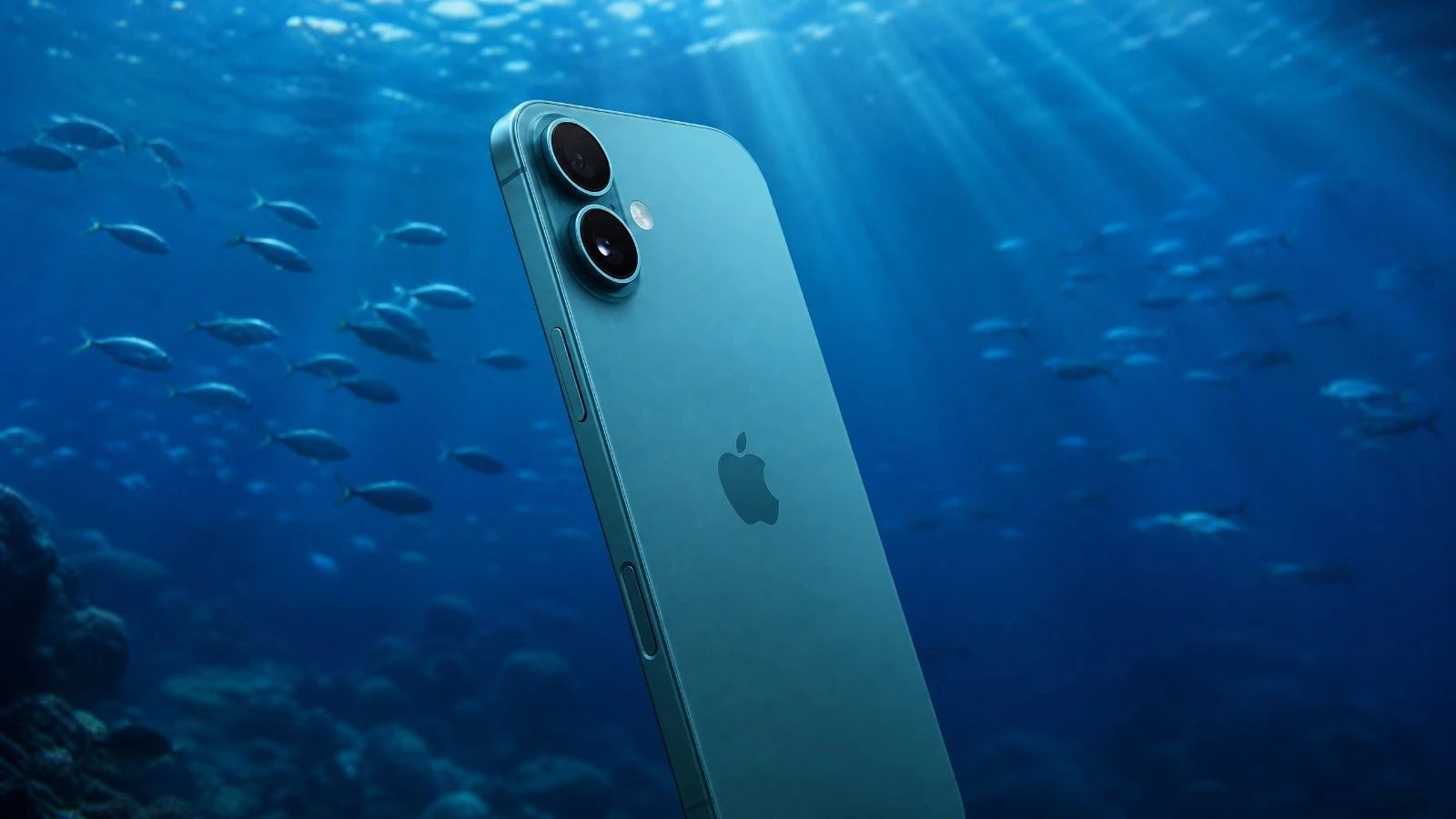
Is the iPhone 16 Plus suitable for underwater photography?
The iPhone 16 Plus offers decent capabilities for underwater photography in natural light. Its sensor performs well. However, the lack of ProRAW and the slow speed of the USB-C port are drawbacks for demanding photographers.
What underwater housing is suitable for the iPhone 16 Plus when diving?
The Divevolk SeaTouch 4 Max housing is compatible with the iPhone 16 Plus. It allows for full touchscreen functionality underwater. This is a reliable choice for this device.
Can the iPhone 16 Plus shoot in RAW format while diving?
No, the iPhone 16 Plus does not offer native ProRAW format. You can use third-party apps to obtain DNG files. However, the quality and flexibility are not the same as with the ProRAW format on the Pro models.
What is the expected battery life for a full day of diving with three dives using an iPhone 16 Plus?
With its battery, the iPhone 16 Plus can last for a day of three dives. However, condensation inside the underwater housing can reduce battery life. It is advisable to bring an external battery pack to recharge between dives if possible.
Should I use an anti-fog treatment with this device?
Yes, absolutely. Due to its aluminum housing, the risk of condensation in cold water (below 15 degrees Celsius) is significant. Using an anti-fog treatment (silica gel packet or insert) inside the housing is mandatory before each dive.
How can I quickly transfer my photos and videos from this device?
The wired connection of this device is limited to the USB 2.0 standard (approximately 35-40 MB/s). To quickly transfer your RAW files or video clips, prioritize fast wireless transfers using the ecosystem's features (AirDrop on iOS, Quick Share on Android) or by removing the memory card if the housing allows it.
Test iPhone 16 Plus: Underwater Photography Review and 2026 Score
1. Introduction
When it comes to underwater photography, the iPhone is often a hot topic. Many of you have asked me if the latest model, the iPhone 16 Plus, performs well underwater. I took the time to put it to the test. No frills, just real-world use. We'll forget about marketing specifications. What matters is what you capture on your dives. Is this iPhone a good companion for your natural light explorations? Let's find out together. Here's my opinion as an instructor. Someone who has seen hundreds of devices come and go. And who knows what really works when you're 20 meters deep. Without a flash, without a strobe. Just you, the ocean, and your phone.
2. The Verdict in Summary
The iPhone 16 Plus is a capable device. It doesn't revolutionize underwater photography. But it gets the job done. Especially if you are a beginner. Or if you want a versatile device. Here's its overall AquaExposure score:
Overall Score: 3.5/5
Criterion
Score
Description
B1 Optics
4/5
High-performance sensor. Good light management.
B2 RAW
2/5
No native ProRAW format. DNG available via a third-party app.
B3 Storage
3/5
USB-C 2.0. Slow transfer speeds for video.
B4 Thermal
2/5
Aluminum housing. High risk of condensation.
B5 Battery
4/5
Good battery life. Will last a full day of diving.
B6 Autofocus
4/5
Fast and accurate.
B7 Housing
5/5
Compatible with Divevolk SeaTouch 4 Max.
Ideal User: The occasional diver. Someone who wants beautiful images without too much hassle. Or a beginner learning underwater photography. It's perfect for capturing your vacation memories without investing in professional equipment.
3. Analysis by Feature
B1 Optics
The sensor in the iPhone 16 Plus is good. Very good, even. In natural light, it captures colors well. The details are present. You will get sharp images, even in slightly low-light conditions. This is a key factor for underwater photography because light is scarce underwater, and we don't want digital noise. You can rely on its optics for successful shots.
For more information: The main sensor offers excellent dynamic range. It handles contrast well. This is an advantage for underwater scenes where shadows and highlights are often pronounced.
B2 RAWHere, we get to the real issue. The iPhone 16 Plus doesn't have ProRAW. That's a shame. The ProRAW format on the Pro models offers enormous flexibility in post-production. It allows you to recover details and adjust white balance. With the 16 Plus, you are limited to JPEG or DNG via third-party apps. This is a compromise. But for occasional use, it might be acceptable. For a demanding photographer, this is a significant drawback.
To delve deeper: Using the DNG format through a third-party app is an option. However, the quality isn't as good as ProRAW. The color depth is lower and the exposure latitude is reduced. This is something to consider.
B3 Storage
USB-C is present. That's good news. But it's USB-C 2.0 with a transfer rate of 480 Mbps. It's slow. Very slow. If you shoot a lot of video in 4K, transferring the files from your phone will take a long time. A very long time. After a day of diving, you want to quickly transfer your files. That's not possible here. This is a disadvantage, especially if you have a large memory card or film a lot.
To delve deeper: USB-C 2.0 is an older standard. The Pro models have USB-C 3.2 with significantly higher transfer rates. This is a major difference for the post-dive workflow.
B4 Thermal PerformanceThe housing is made of aluminum. This is a problem. Especially in cold water. The risk of condensation is high. Moisture can accumulate inside the housing. And that's the enemy of electronics. I have seen phones fail this way. You must be vigilant. Use dehumidifier packets. And open the housing carefully. This is an important point to consider for the lifespan of your device.
For more information: The Pro models with a titanium housing handle heat better, and therefore condensation. This is a definite advantage for underwater reliability.
B5 Battery
The battery life of the iPhone 16 Plus is good. You can expect about three dives on a single charge. That's a plus. Because you can't recharge underwater. And you don't want to run out of power. That's what matters. So you don't miss that once-in-a-lifetime shot. Remember to fully charge it before you go. And optimize the settings to conserve energy.
For more information: Apple's software optimization is effective. It allows for good power management, even with intensive use like underwater video recording.
Before each dive session, be sure to check your external battery pack. Use our portable battery comparator to choose the right power bank for your housing and desired battery life.
B6 AutofocusThe autofocus is fast and precise. It locks onto subjects well, even when they are moving. This is a major advantage for underwater photography, where fish don't exactly pose for pictures. You can rely on it to capture sharp images. It's a real plus for responsiveness and ensuring you don't miss the action.
For more information: The autofocus uses advanced algorithms and performs well even in low light conditions, which is common underwater.
B7 Housing
The Divevolk SeaTouch 4 Max housing is compatible. This is excellent news. This housing is reliable and allows you to use the touchscreen underwater, which is very convenient for changing settings and navigating menus. I highly recommend this housing for its robustness and ease of use. It's a strong point for the iPhone 16 Plus.
For more information: The Divevolk SeaTouch 4 Max is waterproof up to 60 meters and offers optimal protection for your iPhone.
The Divevolk SeaTouch 4 Max is the reference housing. It's reliable and will give you access to all the functions of your iPhone. There are other options available, but this one has been proven. That's what matters for the safety of your device and the quality of your images.
Field workflowPrepare your iPhone before the dive. Clear the memory. Charge the battery. Put it in airplane mode. Check the waterproof seal of the housing. This is a routine, but it's crucial. To avoid unpleasant surprises. Underwater, every detail matters.
Important Considerations
Condensation is a weak point. The aluminum casing is susceptible to it. Use dehumidifying sachets. And don't leave the housing in direct sunlight. File transfer can be slow. Allow extra time. Or consider a fast adapter if possible. The lack of ProRAW is a limitation. If you are a professional, or want to become one.
Price
The iPhone 16 Plus is an investment. As is the housing. It's a significant expense. But it's a versatile device that will also be useful outside of the water. Weigh the pros and cons based on your usage and expectations.
5. Our VerdictThe iPhone 16 Plus is a good device for underwater photography in natural light. It's not perfect. The lack of ProRAW and the slow USB-C port are drawbacks, especially for experienced photographers. However, its optics are excellent, its autofocus is fast, and its battery life is good. For occasional divers, it's an excellent choice, a great option for those who want to get started without breaking the bank. It's a device that will give you beautiful images and wonderful memories. But if you're looking for pure performance, ProRAW capabilities, or fast transfer speeds, then consider the Pro models or dedicated cameras. The 16 Plus is a good compromise, but it's still a compromise.
7. Learning Underwater Photography with this iPhone