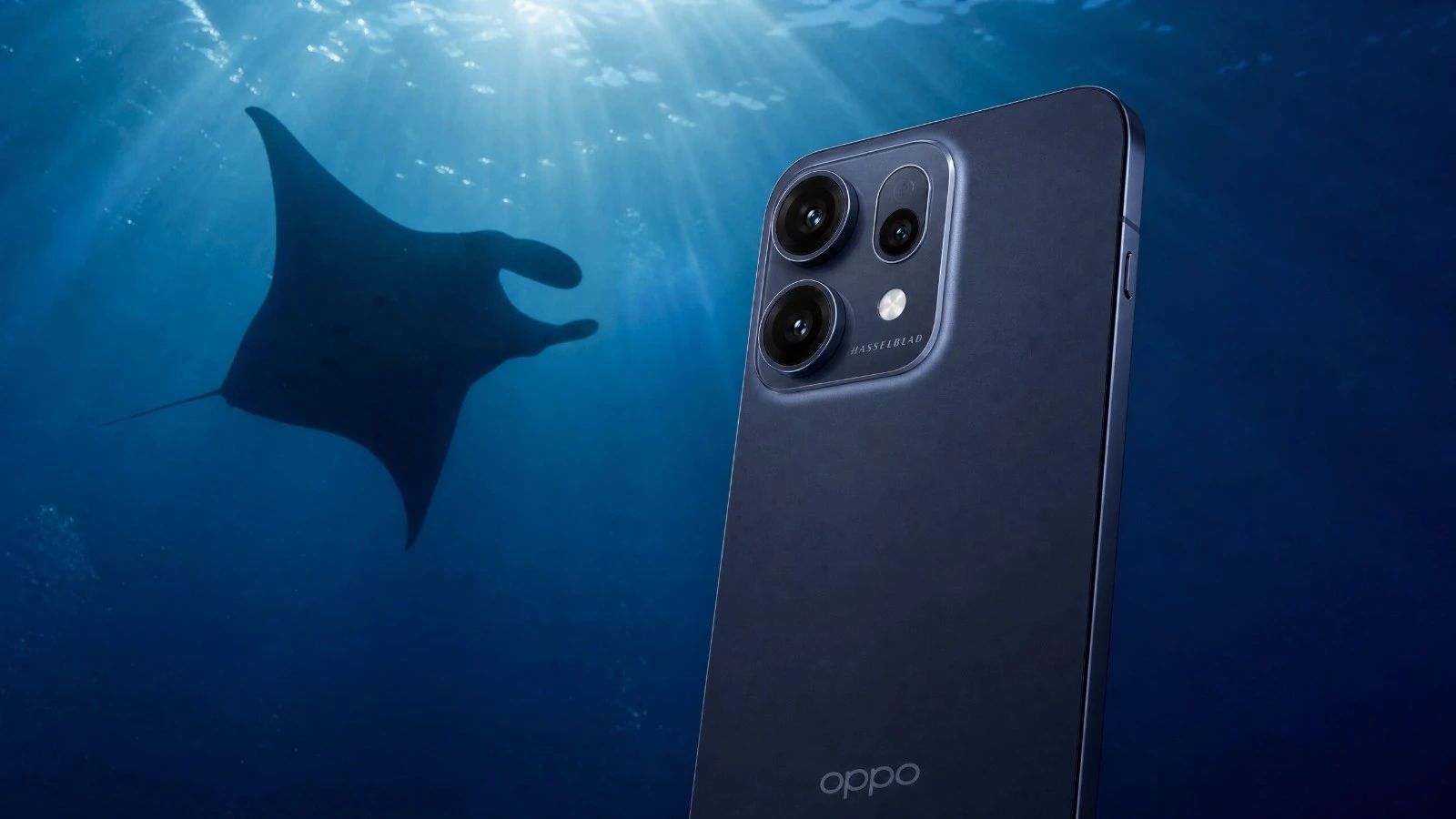
Is the Oppo Reno 14 Pro suitable for underwater photography?
The Oppo Reno 14 Pro offers good potential for underwater photography using natural light. Its 50MP sensors and color management are advantages. The key factors remain the quality of the waterproof housing and the file transfer speed.
What underwater housing is suitable for the Oppo Reno 14 Pro when diving?
You need to look for universal or specific housings. Brands like Divevolk and Seafrogs are worth checking out. Make sure to verify compatibility with the exact camera model and ensure access to all buttons.
Does the Oppo Reno 14 Pro shoot in RAW format while diving?
Yes, the Oppo Reno 14 Pro supports the RAW file format. This is a major advantage for post-processing your underwater photos. It gives you more flexibility to correct colors and exposure.
What is the battery life for a day of three dives when using the Oppo Reno 14 Pro?
With its 6200 mAh battery, the Oppo Reno 14 Pro offers good battery life. It should be sufficient for three dives, but it's always a good idea to have a power bank or recharge between dives if possible. Overheating can also affect battery consumption.
Test Oppo Reno 14 Pro: Underwater Photography Review and 2026 Score
Many of you use your smartphones while diving. We're all looking for a device that can accompany us underwater without breaking the bank. The Oppo Reno 14 Pro is entering the market with some interesting promises. We put it to the test in natural light, where real underwater photography happens. Forget complicated specifications for a moment. What matters is how it performs once submerged, facing the deep blues and changing colors of marine life. Does it live up to expectations? Let's find out together, without any filters.
The Verdict: In Summary
The Oppo Reno 14 Pro is a good performer, but not the best in its class. It has some strengths, especially in terms of sensors. However, there are also areas that need attention. Here's our overall score and a detailed breakdown.
Overall Score: 3.5/5
Criteria
Score (out of 5)
Explanation
B1 Optics
4
High-performing 50 MP sensors, good aperture.
B2 RAW
4
RAW format available, a real plus for post-processing.
B3 Storage
3
USB 2.0 - slow for large RAW files and videos.
B4 Thermal Management
2.5
Aluminum/glass chassis, risk of rapid overheating underwater.
B5 Battery
4
6200 mAh, very good battery life on paper.
B6 Autofocus
3.5
PDAF and AF on the ultra-wide angle lens, but no LiDAR.
B7 Housing
2
Specific housings are rare, often universal with compromises.
Ideal User Profile: This is the perfect phone for a diver who wants a versatile smartphone with good image quality in natural light and who is willing to accept a slightly slower workflow for transferring photos. It's a great choice for beginners or occasional use, without aiming for professional-level performance.
Analysis Section by Section
B1 Optics - The View Underwater
The Oppo Reno 14 Pro features three 50 MP sensors on the rear. This is a solid configuration. The main sensor with a 1/1.55" size and an aperture of f/1.8 looks promising for capturing light underwater. The 116˚ ultra-wide angle lens is also 50 MP, which is rare and very welcome for underwater landscapes. The 3.5x periscope telephoto lens offers excellent versatility. In natural light, these sensors will seek out details and colors with good fidelity. The real key is the ability to manage contrast and automatic white balance underwater. Oppo has made progress in this area.
For more detail: The main 50 MP sensor (f/1.8, 24mm, 1/1.55", PDAF, OIS) is a significant advantage. The 50 MP ultra-wide angle lens (f/2.0, 16mm, 116˚, AF) is also very interesting. The 50 MP periscope telephoto lens (f/2.8, 80mm, PDAF, OIS, 3.5x optical zoom) completes the picture nicely.
B2 RAW - The Raw Material of the ImageRAW format support is a key feature for underwater photography. The Oppo Reno 14 Pro offers this capability. This means you have access to all the raw data from the sensor. In post-processing, this provides incredible freedom to recover lost colors, adjust exposure, and white balance. Without RAW, your options are very limited. With the Reno 14 Pro, you can truly refine your images to reflect what you saw underwater.
For more information: The RAW format is available, which allows for non-destructive editing and better recovery of details in highlights and shadows. The bit depth is not specified, but it's likely 10 or 12 bits.
B3 Storage - Managing the Data Flow
With 50MP RAW files and 4K videos, storage fills up quickly. The Oppo Reno 14 Pro offers options of 256GB, 512GB, or 1TB. This is quite generous. The real issue here is the transfer speed. The device is equipped with a USB Type-C 2.0 port. This is a limitation. USB 2.0 has a data rate of 480 Mbps, which is slow for transferring large amounts of data after a dive. If you shoot a lot in 4K or take many RAW photos, be prepared to be patient. There's no SD card slot, so internal storage is your only option.For more details: Internal storage UFS 3.1 (256GB/512GB/1TB). The USB Type-C 2.0 port is a bottleneck for data transfer.
Thermal Performance - Heat, the Silent Enemy
The Oppo Reno 14 Pro's aluminum and glass frame is elegant, but underwater, the aluminum can become a thermal insulator. As with the Nothing Phone 2, there is a risk of overheating. A smartphone that gets too hot will reduce its performance, limit the sensor's capabilities, and most importantly, drain the battery faster. While the water temperature helps somewhat during dives, the intense activity of the processor and sensor can quickly raise the internal temperature. This is something to be aware of. We have seen devices throttle down after 20-30 minutes of intensive video recording.
For more details: Glass frame (Gorilla Glass 7i) and aluminum casing. Active cooling is absent, which is standard for a smartphone, but raises questions when used intensively underwater.
Battery - Underwater PerformanceWith a 6200 mAh battery, the Oppo Reno 14 Pro is in a great position. This generous capacity should allow you to take several dives without worrying about running out of power. Battery life is a crucial factor in underwater photography. No one wants to miss a shot because their battery died. In natural light, the screen often consumes less power than when using artificial lighting, which helps conserve energy. However, potential overheating (B4) could negatively impact this excellent battery life. Keep an eye on that.
For more details: 6200 mAh Li-Po battery. Fast charging: 80W wired, 50W wireless. The Dimensity 8450's energy efficiency (4 nm) is a plus.
Before each dive session, remember to check your external battery pack. Use our portable power bank comparison tool to choose the right power bank for your underwater housing and desired battery life.
B6 Autofocus - Capturing Sharpness in the MomentAutofocus is a crucial factor when shooting underwater. The Oppo Reno 14 Pro uses PDAF (Phase Detection Autofocus) on its main and telephoto sensors, and AF on the ultra-wide lens. This is a good starting point. Subject tracking for moving objects is decent, but without LiDAR, there may be some hesitation in low light conditions or when focusing on complex subjects. Shutter lag is also a factor. For fast-moving subjects like fish, every millisecond counts. It performs adequately, but don't expect the responsiveness of a dedicated camera.
Further details: PDAF on the main and telephoto sensors. AF on the ultra-wide lens. No LiDAR or dedicated ToF sensor for advanced autofocus assistance.
B7 Housing - Vital Protection
This is a weak point for many smartphones. The Oppo Reno 14 Pro is certified IP68/IP69, which is good for splashes or accidental submersion. However, for diving, you need a dedicated underwater housing. The problem is the scarcity of housings specifically designed for Oppo models. You will likely have to resort to universal housings. These housings are often a compromise: less access to the phone's functions and sometimes limited ergonomics. The real challenge is finding a reliable housing that provides good access to the photo and video controls.For more advanced options: IP68/IP69 certification (submersible up to 2m for 30 minutes). Specific housings are rare. You will need to consider universal solutions like Divevolk or Seafrogs, ensuring compatibility.
As mentioned, specific housings for the Oppo Reno 14 Pro are difficult to find. Options often boil down to universal housings. Take the time to carefully check the compatibility of your device with the housing. Make sure that the physical buttons are accessible or that the housing's app allows you to control photo and video functions. This is a significant investment, so don't overlook this aspect.
Field Workflow
Your workflow will be affected by the USB 2.0 transfer speed. After each dive, if you have many photos and videos, downloading them will take time. Consider using a USB-C to USB-A adapter for your computer, or use Wi-Fi 6E for faster wireless transfers, although this may consume more battery power. Battery management is also an important consideration. Make sure it is fully charged before each outing.
Important ConsiderationsOverheating is a real concern. Monitor the camera's behavior during long video sessions or when taking rapid bursts of photos. If the camera starts to slow down or displays warning messages, it means it's overheating. The lack of specific underwater housings is also a limitation. Finally, the absence of a microSD card slot means you are limited by the internal storage. Choose a version with enough gigabytes.
Price
The Oppo Reno 14 Pro is priced around €800. For this price, you get a high-performing smartphone with excellent photographic capabilities. The value for money is interesting if you accept the compromises related to USB 2.0 and finding an underwater housing.
Our Verdict
The Oppo Reno 14 Pro is a good companion for underwater photography in natural light. Its sensors are powerful, it supports RAW format, and the battery life is decent. It's a device that will allow you to capture beautiful images of your dives. However, you shouldn't ignore its limitations: data transfer is slow, thermal management can be challenging, and finding the right underwater housing will require some research. If you are an enthusiastic diver who wants a smartphone capable of taking great photos without having to deal with professional equipment, the Reno 14 Pro is a serious option to consider. It just requires a bit of adaptation to its workflow.
Frequently Asked Questions
Should I use anti-fog treatment with this device?Yes, absolutely. With its aluminum housing, the risk of condensation in cold water (below 15 degrees Celsius) is significant. Using an anti-fog treatment (silica gel packet or inserts) inside the housing is mandatory before each dive.
To learn more: AquaExposure training (/blog/surchauffe-buee-smartphone-caisson-sous-marin) - explains thermal mechanics, dew point, and the silica gel protocol.
How can I quickly transfer my photos and videos from this device?
The wired port on this device is limited to USB 2.0 (approximately 35-40 MB/s). To quickly empty your RAW files or video clips, prioritize fast wireless transfer using the ecosystem's features (AirDrop on iOS, Quick Share on Android) or by removing the memory card if the housing allows it.
Is the Oppo Reno 14 Pro good for underwater photography?
The Oppo Reno 14 Pro offers good potential for underwater natural light photography. Its 50 MP sensors and color management are advantages. The key factors remain the quality of the housing and the file transfer speed.
What housing is suitable for the Oppo Reno 14 Pro for diving?
You need to look for universal or specific housings. Brands like Divevolk or Seafrogs should be considered. Make sure to check compatibility with the exact model and access to the buttons.- Does the Oppo Reno 14 Pro shoot in RAW mode while diving?
Yes, the Oppo Reno 14 Pro supports the RAW format. This is a major advantage for post-processing your underwater images. It gives you more flexibility to correct colors and exposure.
What is the battery life for a day of three dives with the Oppo Reno 14 Pro?
With its 6200 mAh battery, the Oppo Reno 14 Pro has good battery life. For three dives, this should be sufficient, but always plan to have an external battery pack or recharge between dives if possible. Overheating can also affect battery consumption.
Learn Underwater Photography with This Device
You have the Oppo Reno 14 Pro and want to master underwater photography? Our courses are designed for you. Learn composition techniques, natural light management, and post-processing methods to enhance your photos. Visit our learning platform to learn more: (https://www.aquaexposure.com/en/lms)