CUREE combines four hydrophones mounted on extended arms with forward- and downward-facing cameras. It listens to shrimp snaps, fish calls, and biological sounds from the reef to locate high-activity zones. Its results were published in Science Robotics in May 2026.
What is plastitar found in Mediterranean caves?
Plastitar is a black, sticky substance that forms when floating tar residue mixes with microplastics and macroplastics. It coats the walls and floors of marine caves, including those where monk seals give birth.
Why is the whale fall discovery in Argentina important?
A whale fall (an abyssal whale carcass) creates a temporary ecosystem that can sustain specialized communities for decades. The one discovered at 3,890 meters by the Schmidt Ocean Institute is the first confirmed in Argentine deep waters.
How many Mediterranean monk seals remain in the world?
Fewer than 1,000 individuals spread across a few fragmented groups. It is one of the most endangered marine mammals in the world. The species did not originally live in caves. Centuries of hunting and coastal urbanization forced it to take refuge there.
To learn how to get the most out of your gear underwater, discover the AquaExposure training.
An underwater robot listening to the reef, plastic fused to cave walls, and a whale skeleton at 4 km depth
"The more clearly we can focus our attention on the wonders and realities of the universe about us, the less taste we shall have for destruction." Rachel Carson
Some weeks, ocean news arrives through unexpected channels. An engineer programming a machine to listen to snapping shrimp. A group of biologists descending into a Mediterranean cave and discovering a substance nobody had named ten years earlier. And a team aboard a research vessel stumbling, at 3,890 meters beneath the Argentine surface, upon a whale skeleton turned into a city.
Three stories. Three different depths. All recent.
CUREE: the robot that hears what divers cannot see
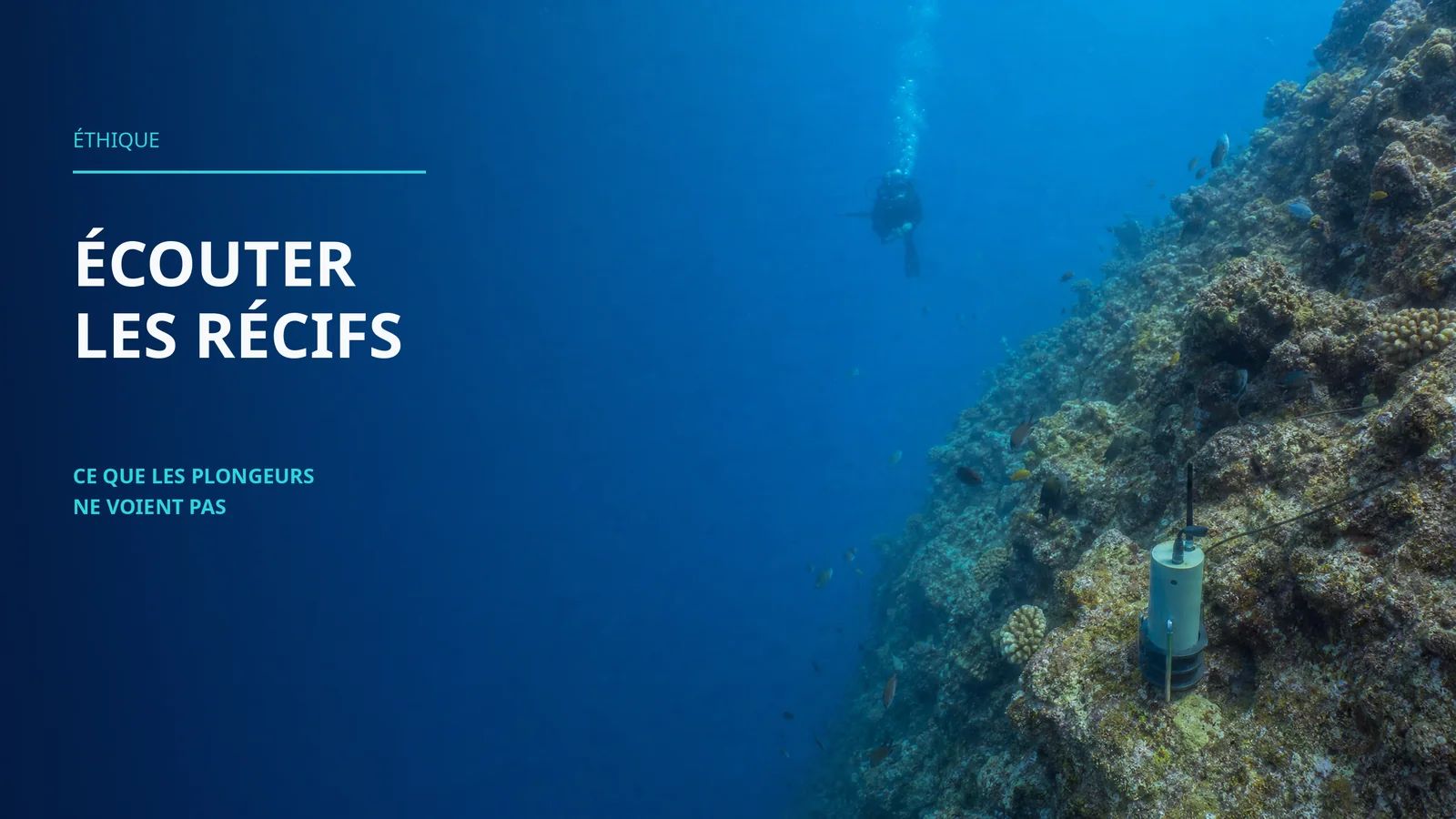
On May 13, 2026, a team from the Woods Hole Oceanographic Institution published in Science Robotics the results of a project that changes the way we observe coral reefs. Their creation is called CUREE (Curious Underwater Robot for Ecosystem Exploration). It is an autonomous underwater vehicle equipped with four hydrophones mounted on extended arms, a front-facing camera, and a bottom-facing camera.
The starting idea is simple, almost obvious once you hear it. A healthy reef is not silent. It crackles, it snaps, it rumbles. Pistol shrimp produce detonations louder than a gunshot. Damselfish emit series of clicks to defend their territory. Sea urchins scrape the coral surface as they graze. A living reef has a sonic signature, and that signature varies from spot to spot according to the density of life present.
CUREE exploits this information. It navigates autonomously, combines acoustic and visual data in real time, and identifies biodiversity hotspots with a precision that traditional methods cannot achieve. A scientific diver covers a limited area for a limited time. CUREE operates for hours, across larger surfaces, with no human observation bias.
During three expeditions conducted between 2022 and 2024 on a reef in the U.S. Virgin Islands (Joel's Shoal), the robot repeatedly identified the same hotspot: a zone surrounding a large pillar coral structure. On every pass, the same coordinates came back. The reef was speaking, and the robot was listening in the right place.
What makes this research particularly relevant is that it arrives at the moment coral reefs are enduring the longest global bleaching episode ever recorded. Knowing where life concentrates on a reef means knowing what to protect first when conservation resources are limited.
Plastitar: the substance nobody predicted in seal caves
In the Mediterranean, scientists have explored the marine caves of Cyprus and made a discovery that the phrase "plastic pollution" no longer quite covers. Inside these underwater cavities, researchers measured concentrations reaching up to 97 pieces of debris per square meter. Mostly plastic. But not only.
They found plastitar.
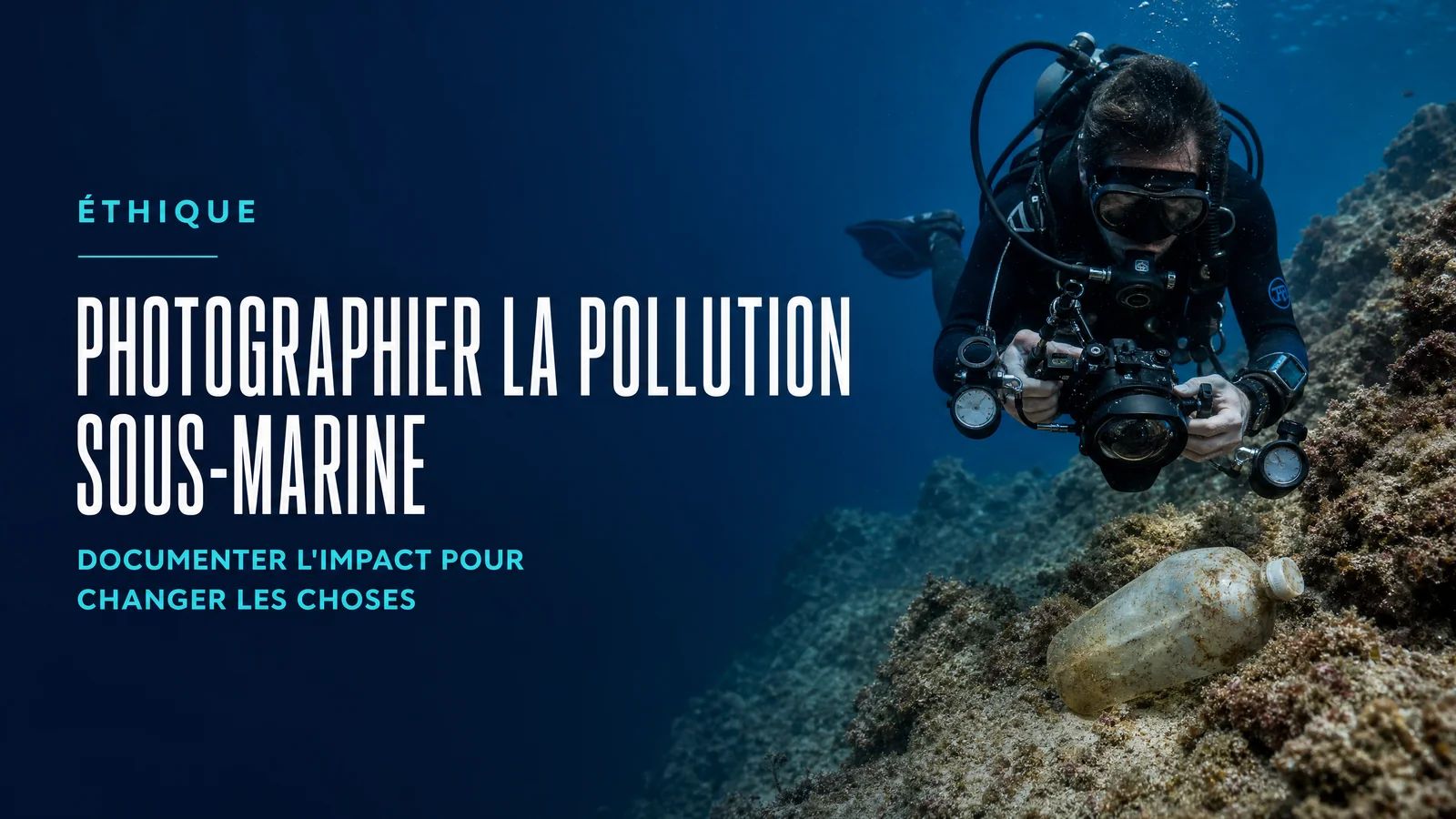
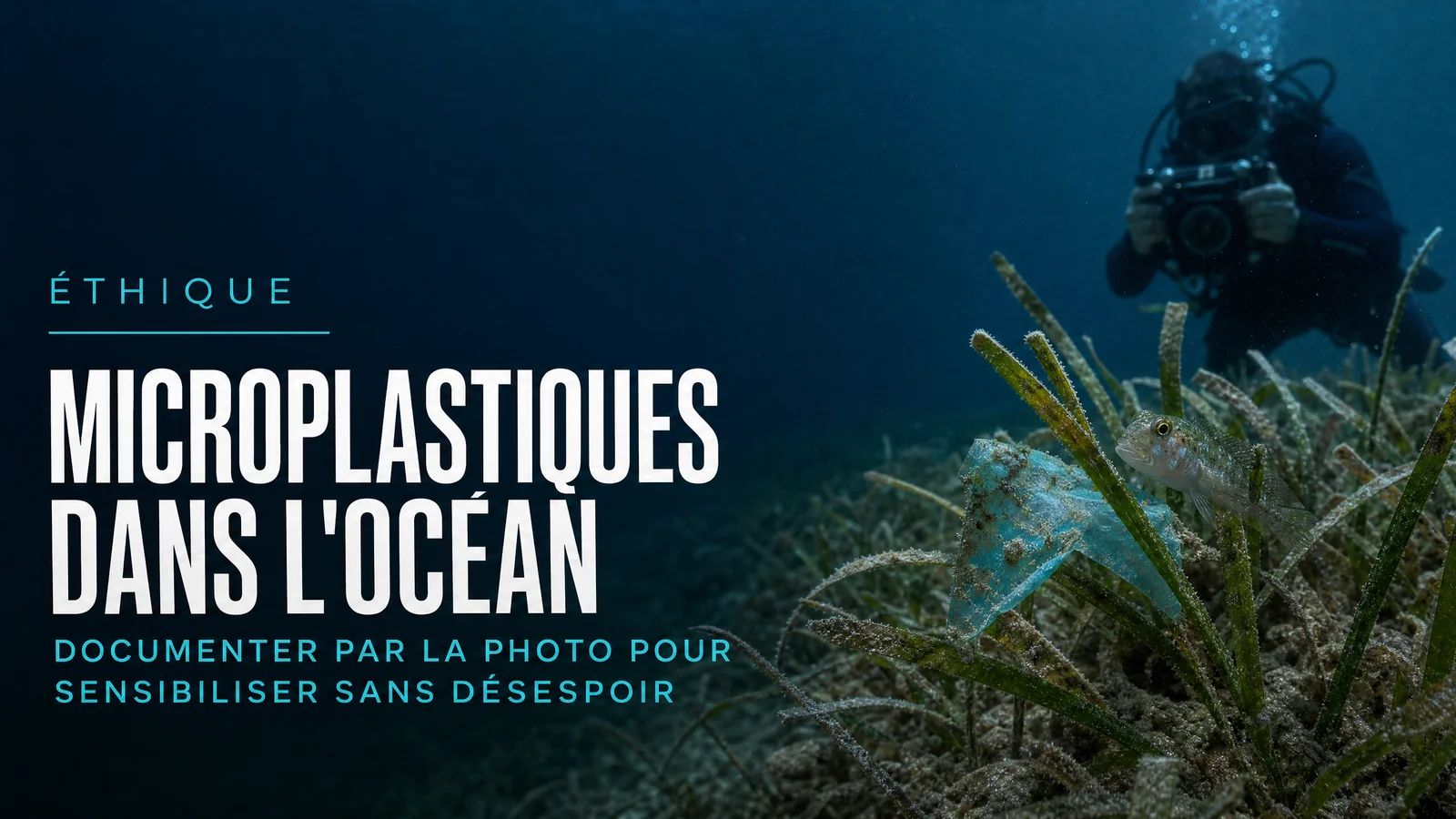
Plastitar is a black, sticky material that forms when floating tar residue at sea combines with micro and macroplastics. The mixture creates a crust that adheres to cave walls and floors. Once fixed, this substance does not leave. The shape of the caves (narrow corridors, dead-end chambers) acts as a trap: what enters does not come out.
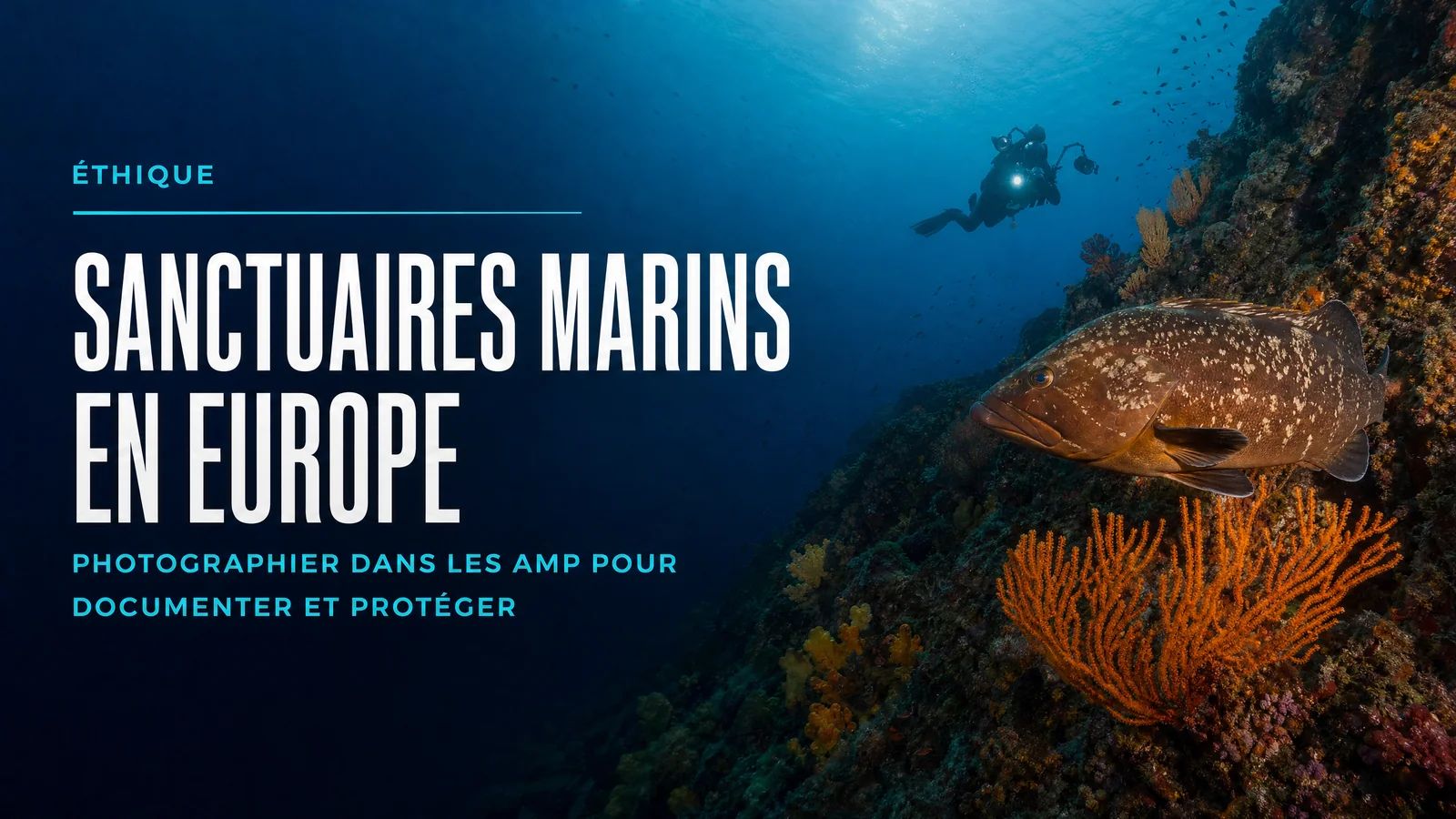
The problem is that these caves are not empty. They serve as refuge for the Mediterranean monk seal (Monachus monachus), one of the most endangered marine mammals on the planet. Fewer than 1,000 individuals survive, spread across a few fragmented groups. And the species did not choose caves by preference. Centuries of hunting and coastal urbanization drove it from open beaches. Hidden chambers became its last resort.
Debris accumulates most heavily in the deep zones of corridor-shaped caves, exactly where females give birth because these spaces are protected from waves and wind. Pups spend their first weeks crawling on surfaces covered in broken plastic and plastitar.
For those of us who dive the Mediterranean, this information transforms the perception of a familiar environment. Underwater caves are a classic playground for photographers starting out in temperate waters. They harbor gorgonians, crustaceans, spectacular plays of light. But they also harbor, in their darkest corners, a reality that our lights do not always illuminate.
28 unknown species and a whale skeleton at 3,890 meters beneath Argentina
In early 2026, the research vessel R/V Falkor (too) from the Schmidt Ocean Institute completed an expedition along the Argentine continental shelf, from Buenos Aires to the waters off Tierra del Fuego. The team, led by Dr. Maria Emilia Bravo from the University of Buenos Aires, expected a relatively barren ocean floor. That is not what they found.
Twenty-eight potentially new species were identified. Sea snails, sea urchins, anemones, worms. Many of them live inside the largest known Bathelia candida reef in the world, a cold-water coral reef the size of Vatican City. A coral reef, at these depths, in waters thought to be unproductive.
The expedition also documented a giant phantom jellyfish (Stygiomedusa gigantea), a rarely observed abyssal creature that can reach the length of a school bus. But the most striking discovery remains the whale fall.
A whale fall is the carcass of a large whale that has sunk to the ocean floor. At 3,890 meters depth, the bones of this cetacean now serve as a temporary habitat for sharks, crabs, and specialized microbial communities. These ecosystems can persist for decades. It is the first confirmed whale fall in Argentine deep waters.
The image is striking when you think about it. An animal that spent its life breathing at the surface becomes, after death, the foundation of an entire community in absolute darkness. Nothing is lost. Everything transforms into habitat.
What this changes for us, underwater
For those who dive with a camera, these three stories speak about the same subject from different angles: what we cannot see.
CUREE reminds us that the reef has a sonic dimension that our human ears poorly capture through a regulator and a neoprene hood. When we photograph a coral reef, we frame what is visible. But the real density of life, the density that makes one precise spot on the reef a hotspot while the next meter is quieter, that information is read in sound before it is read in image. Photographers who document reefs capture a fraction of what is happening. The robot hears the rest.
The plastitar story in Mediterranean caves touches more personal ground. Many of us started underwater photography in the Mediterranean, in those temperate waters where visibility varies and caves offer the best subjects. Knowing that these spaces serve as nurseries for one of the most endangered species in the basin changes the way we approach them.
And the Argentine whale fall puts into perspective the scale of what we photograph. Our recreational dives reach 40 meters. This whale's skeleton rests at 3,890 meters. The majority of ocean life exists in zones no photographer will ever reach. What we document between 0 and 40 meters is the illuminated edge of a world that extends far beyond our reach.
If the idea of better understanding the ocean before photographing it appeals to you, the AquaExposure course includes modules on ethics, citizen science, and species approach. Because what you understand changes what you see in the viewfinder.
FAQ
How does the CUREE robot map coral reefs?
CUREE (Curious Underwater Robot for Ecosystem Exploration) is an autonomous underwater vehicle developed by the Woods Hole Oceanographic Institution. It combines four hydrophones mounted on extended arms with forward- and downward-facing cameras. The robot navigates autonomously and uses the reef's biological sounds (shrimp snaps, fish calls, grazing sounds) to locate high-activity zones. Its results, published in May 2026 in Science Robotics, show that it repeatedly identifies the same biodiversity hotspots on a given reef.
What is plastitar and why is it a problem for monk seals?
Plastitar is a black, sticky substance that forms when floating tar residue combines with micro and macroplastics at sea. This material adheres to the walls and floors of Mediterranean marine caves. The problem is that these caves are the last refuges of the Mediterranean monk seal (Monachus monachus), of which fewer than 1,000 individuals remain. Debris accumulates most heavily in the deep cave zones, exactly where females give birth.
Why is there talk of a cold-water coral reef in Argentina?
The Schmidt Ocean Institute expedition (R/V Falkor, early 2026) discovered the largest known Bathelia candida reef off the Argentine coast. This cold-water coral forms massive structures in the deep, unlike tropical corals that depend on light. The reef shelters numerous species, including 28 potentially new to science.
Can a whale fall really sustain an ecosystem for decades?
Yes. When a large whale dies and sinks into the abyss, its carcass creates a temporary ecosystem that passes through several phases. First the scavengers (sharks, crabs), then the specialized worms and bacteria that decompose the lipid-rich bones. A single whale fall can support a community of hundreds of species for 50 to 75 years. The one discovered at 3,890 meters off Argentina is the first confirmed in that country's deep waters.
A robot listening to shrimp snaps to find where life concentrates. Tar mixed with plastic in the nurseries of the last monk seals. And a whale skeleton feeding an entire city in absolute darkness, at 3,890 meters below the surface. The ocean never falls silent. You just need to listen closely, or point your lens in the right direction.
L'Encre #4 - A robot learned to listen to reefs. What it hears, divers cannot see. | AquaExposure