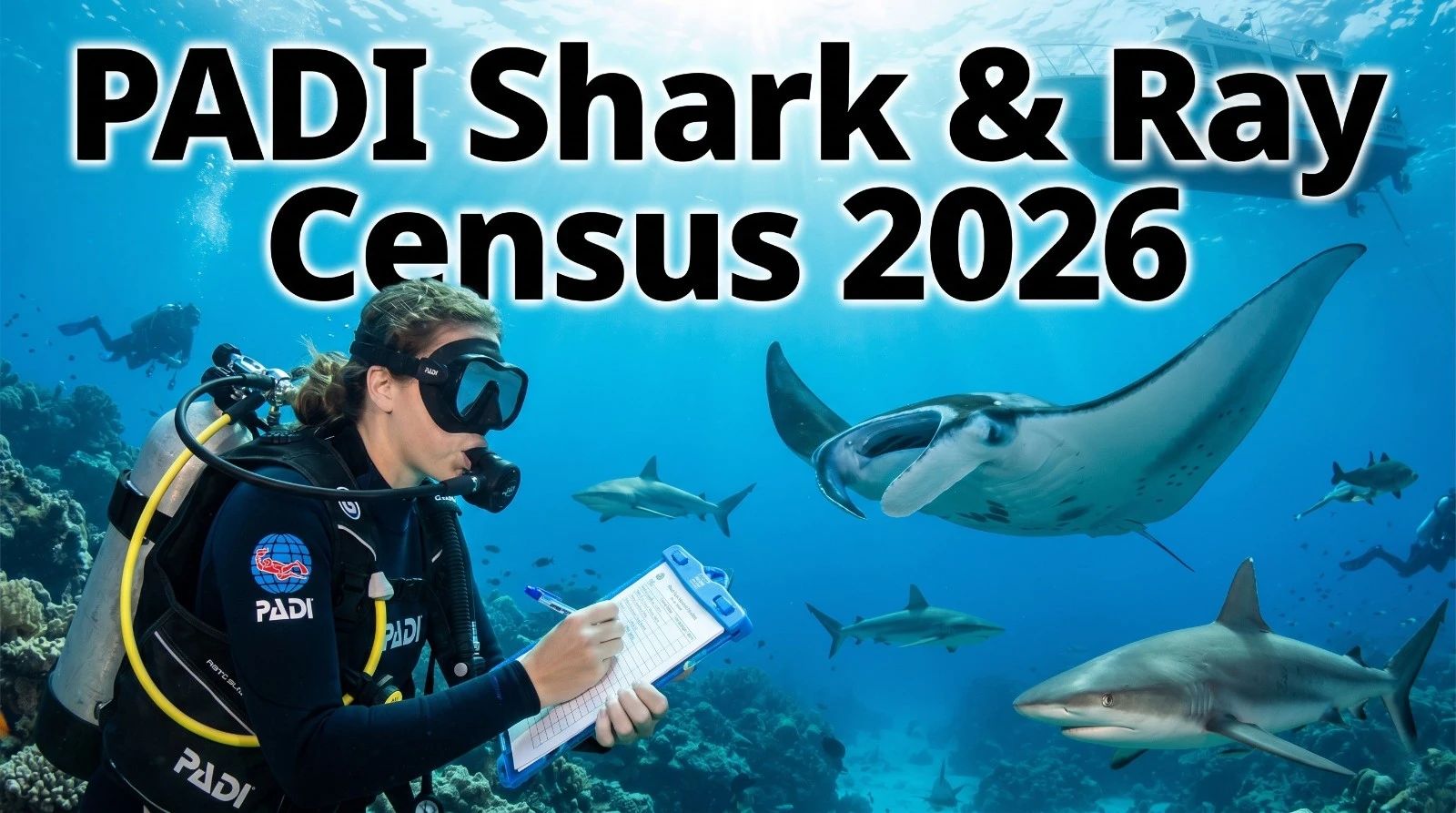
PADI Shark & Ray Census 2026: Photographing sharks for science
The PADI Blancpain global shark and ray census program. How to participate and document your underwater encounters.
PADI Shark & Ray Census 2026: Photographing Sharks for Science
There are moments underwater that cannot be orchestrated. You adjust your buoyancy, control your breathing, and suddenly, a shadow glides through the blue, slowly, impassively, and perfectly indifferent to our presence.
How do I participate in the PADI Shark & Ray Census?
Register via the PADI AWARE platform. During your dives, document every encounter with sharks and rays by noting the species, location, depth, and behaviour. Photos with complete metadata are especially valuable.
Do I need to be PADI-certified to participate in the census?
No, the programme is open to all certified divers, regardless of training organisation. Snorkellers can also contribute for surface species like reef rays.
Why is the shark census important for conservation?
Citizen data complements scientific studies by covering geographical areas and time periods that researchers cannot cover alone. Every documented observation contributes to the global mapping of populations.
A shark. Not a movie monster, not a threat, not a trophy. A long-lived inhabitant of a world that is four hundred million years older than ours, and that continues to live, oblivious to our concerns.
This is precisely this encounter, this suspended moment between fascination and humility, that the Global Shark & Ray Census wants to transform into exploitable scientific data. And the idea is of remarkable simplicity: every diver, every freediver, every coastal observer becomes a living sensor in the service of ocean knowledge.
What is the Global Shark & Ray Census?
To celebrate its 60th anniversary, PADI partnered with Blancpain (the long-standing Swiss watchmaker committed to marine conservation) to launch the largest shark and ray census ever organized by divers.
The project doesn't come from nowhere. It is based on a scientific partnership with the James Cook University in Australia, one of the world's leading institutions in tropical marine biology. The data collection protocols have been designed to produce results that are usable by researchers, not just for a nice communication campaign.
Specifically, observations are recorded via the PADI AWARE and Conservation Action Portal applications. Each report enters a global database. The strength of the program lies in its network: the data covers both ISRAs (Important Shark and Ray Areas, areas identified as critical for these species) and sites in the Adopt the Blue network, this PADI program that allows dive centers to adopt a local site and monitor it over time.
The potential data volume is enormous. Thousands of divers spread across all the oceans, documenting their encounters according to a common protocol. This is exactly the type of initiative that can shift the quality of information available for marine conservation.
How to Participate
One of the most remarkable aspects of this program is its accessibility. It is not only aimed at certified PADI divers. Freedivers can also contribute. And "mermaids" (this growing community of monofin swimmers) as well. And non-divers are not forgotten: observations from the shore or from a boat are equally valid.
Participation is through the PADI Conservation Action Portal. Registration is free. The PADI AWARE app, available on smartphones, guides the user through the registration process for each observation.
What we ask you to document consists of a few essential points: the exact location of the observation, the visibility and current conditions, the species identified (with integrated identification tools in the application), the observed behavior, and, if possible, a photo or video.
The protocol was designed to remain accessible. You don't need to be a marine biologist to contribute effectively. Rigor comes from volume and standardization, not from the individual expertise of each observer.
The PADI Shark & Ray Conservation Specialty Course
PADI will launch a fully updated version of its specialty course dedicated to shark and ray conservation in 2026. This digital course covers species identification, the threats facing their populations, current conservation strategies, and the principles of responsible interaction.
The key point to pay attention to is the addition of a specific training dive aimed at data collection in citizen science. We are no longer just talking about awareness: we are training divers to become active contributors to a structured scientific program.
This pedagogical approach aligns with a conviction that I have long held in AquaExposure training. The best underwater photography learning comes from understanding what you observe. Being able to distinguish a hammerhead shark from a reef shark, understanding its behavior, anticipating its movements – all this enriches both the quality of the image and the quality of the scientific data it can convey.
Photographing Sharks for Science: Best Practices
Scientific identification photography follows simple but demanding rules. The first concerns the approach. In the AquaExposure training, the method of the three invisible circles and the tangential approach is taught: never head-on, never in a straight line towards the animal, always in a progressive arc that gives the shark the choice to stay or move away.
This method is not a luxury ethical choice. It is a practical necessity. A shark that feels encircled will leave. A shark that perceives a sideways observer, whether stationary or moving slowly and parallel, often continues on its way as if nothing had happened. And it is during these seconds of peaceful coexistence that the best images (and the best data) are captured.
For scientific documentation, certain technical details are particularly important. The ideal shooting angle is a complete profile, with the dorsal fin visible, as markings on the first dorsal fin often allow for individual identification. Scars, notches, or color patterns on the belly or flanks are also unique markers. Photographing these details is equivalent to creating a visual identification card for the animal.
The distance must remain sufficient to not alter the shark's behavior. The goal is to achieve a framing that shows the animal in its entirety, in its environment, with enough resolution to distinguish identifying details. A dedicated underwater telephoto lens or expensive equipment is not necessary. A waterproof smartphone (such as the DiveVolk setup that we use in some training modules) is more than sufficient if the water is clear and the distance is correct.
The fundamental point remains: an image useful for science is one taken without stressing the animal. This is the perfect combination of ethics and efficiency.
Why It's Urgent
The figures on the state of global shark and ray populations paint a picture that leaves little room for optimism. Over three decades, populations of oceanic sharks have fallen by more than 70 %. Some ray species are now classified as critically endangered by the IUCN.
ISRDs, these areas identified as vital for the survival of shark and ray populations, cover a still insufficient fraction of the oceans. And even when they are identified, effective protection often remains incomplete, due to a lack of up-to-date data on the actual presence of the species.
This is where citizen science is changing the game. Traditional oceanographic campaigns cover limited areas for short periods. A global network of divers who document their observations throughout the year produces a spatial and temporal grid that no single scientific expedition could achieve on its own.
The data from the Global Shark & Ray Census will directly feed into conservation decision-making processes. Identifying where sharks are present, how frequently, at what density – this is the type of information that marine protected area managers and legislators negotiating fishing quotas are sorely lacking.
Each observation recorded, each photo properly documented, adds a piece to the puzzle. This is not a metaphor. It is literally the way that conservation science now works: through the accumulation of distributed, verified, and geolocated data.
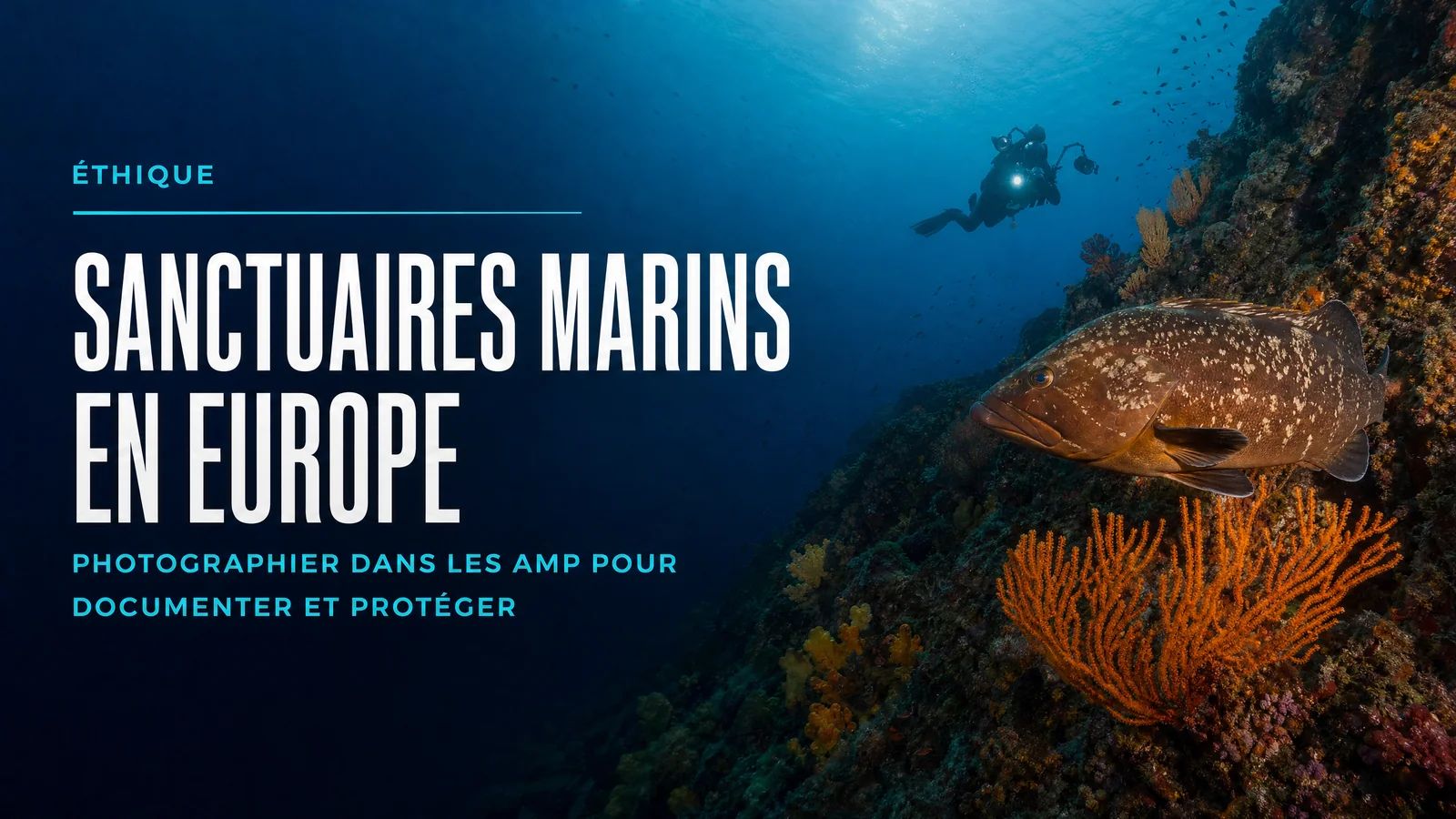
In the AquaExposure training, Module 3 (Ethics and Approach) and Module 10 (Participatory Science) cover in detail these documentation and contribution techniques for research programs. Because photographing marine life is not just about capturing beautiful images. It's about accepting the silent responsibility that each witness carries.
And sometimes, all it takes is one single shot taken in the right place, at the right time, with the right protocol, for a shark that didn't exist in any database to finally start appearing.
Frequently Asked Questions
How to participate in the PADI Shark & Ray Census?
Registration is free via the PADI Conservation Action Portal. Simply download the PADI AWARE app on your smartphone, create an account, and start recording your shark and ray observations during each dive, freediving session, or boat trip. The protocol integrated into the app guides each step of the reporting process.
Is a PADI certification required to participate?
No. The program is open to all divers, regardless of their certification, as well as freedivers and non-divers. Observations from the shore or from a boat are accepted and contribute equally to the global database. The diversity of observation points strengthens the scientific value of the census.
How to photograph a shark for scientific purposes?
The approach should be tangential, never frontal, in order not to alter the animal's behavior. Prioritize the complete profile with the dorsal fin visible. Document distinctive markings: scars, notches, color patterns. Maintain a distance that respects the animal's space. A sharp image taken without stressing the shark is worth infinitely more than a spectacular close-up obtained by forcing its passage.
What is an ISRA?
ISRA stands for Important Shark and Ray Area. These are marine areas identified by scientists as critical for the survival of one or more species of sharks and rays, whether for reproduction, feeding, nursery grounds, or migration. The identification of these areas largely relies on observational data, which makes the contribution of citizen divers particularly valuable.
To go further
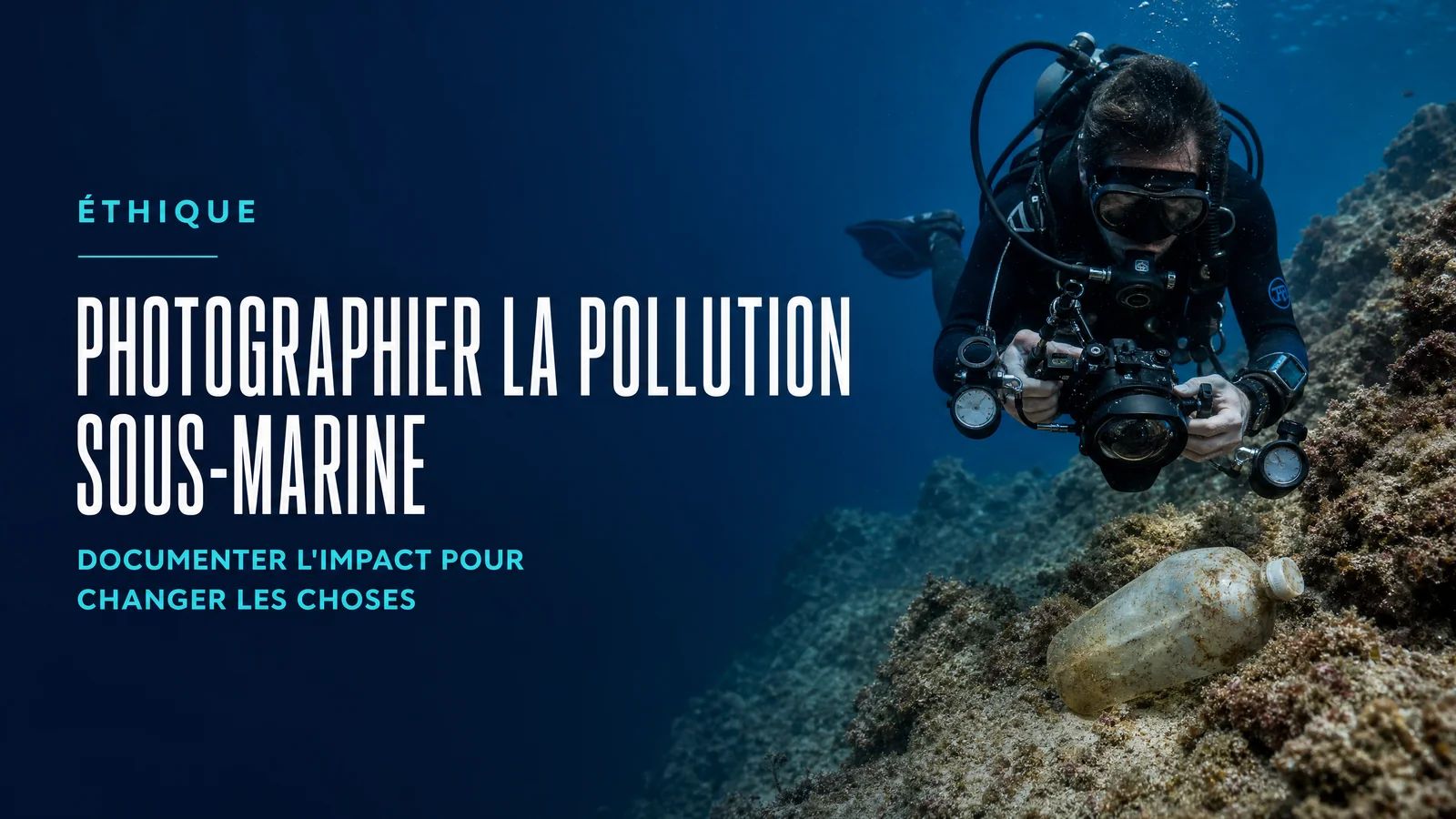
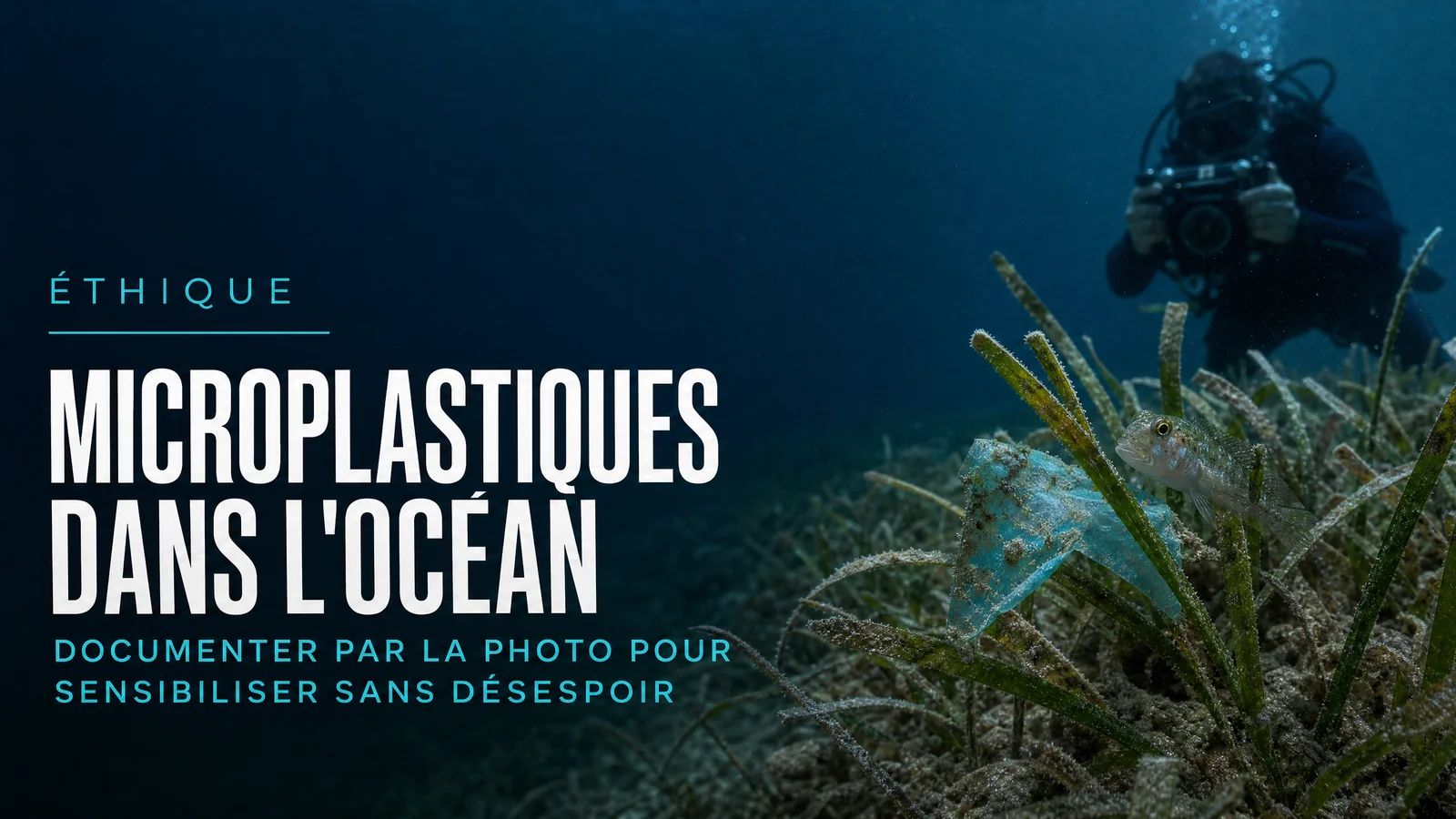
If these questions of ethics, photography, and participatory science resonate with your diving practice, here are some additional resources on AquaExposure.