
How to choose a powerbank for dive travel
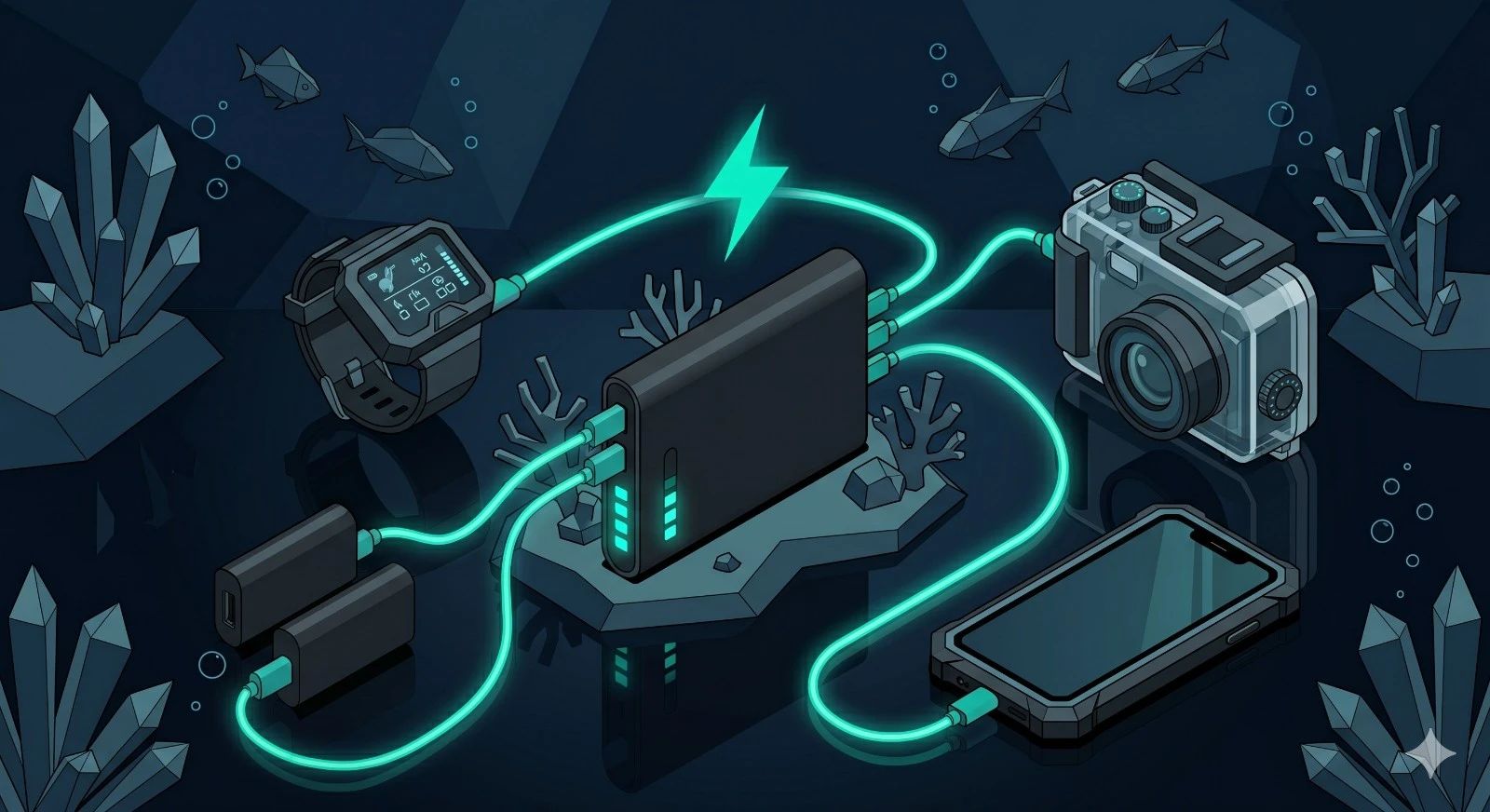
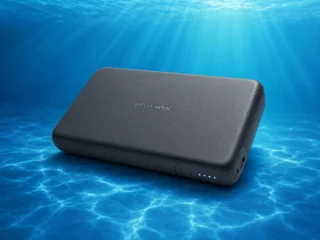
Choosing a powerbank for a dive photography trip comes down to three constraints that have nothing to do with manufacturer marketing: airline compliance, actual output power, and resistance to marine conditions.
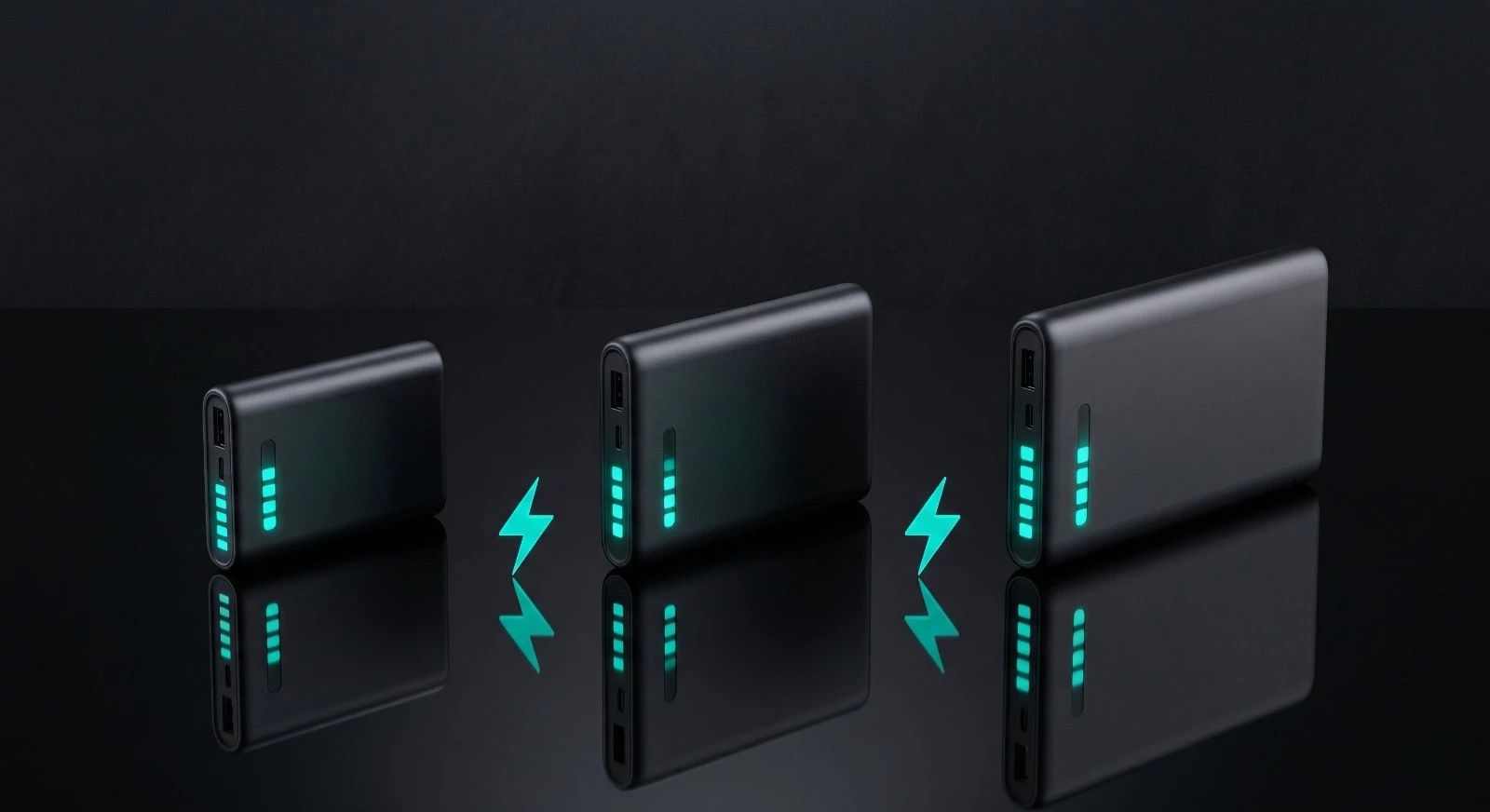
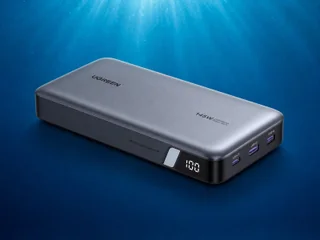
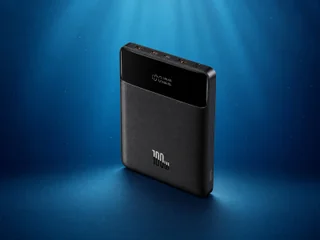
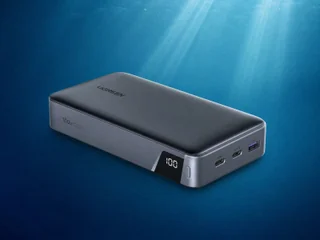
IATA compliance caps each battery at 100 Wh in the cabin. In practice, that means roughly 27,000 mAh at 3.7V nominal. Powerbanks rated 20,000 to 25,000 mAh stay in the comfort zone. Those exceeding 26,800 mAh start pushing the limit, and some budget airlines refuse anything approaching 100 Wh.
USB-C PD (Power Delivery) output determines what you can charge, and how fast. A mirrorless camera like the Sony A7RV or Canon R5 accepts USB-C PD charging at 15-20 W. Inon or Sea&Sea strobe chargers draw 10-15 W. To charge a MacBook Air in parallel, you need at least 45 W output. Aim for 65 W PD output to cover all scenarios.
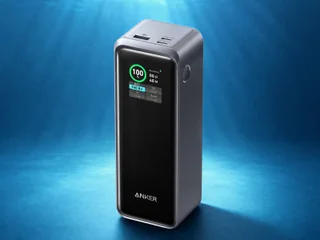
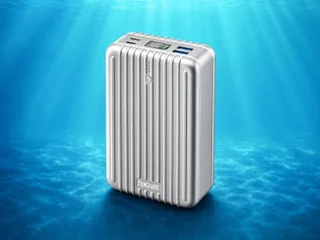
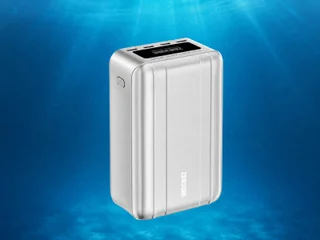
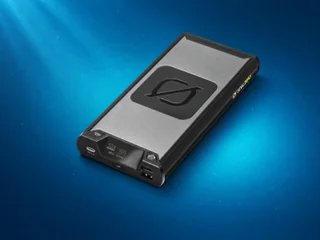
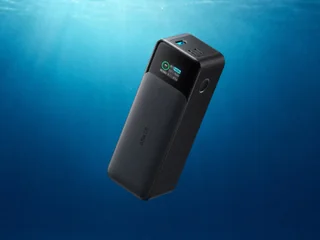
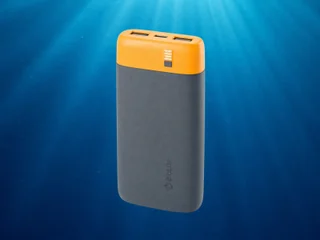
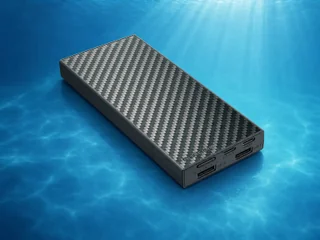
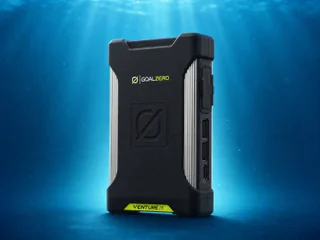
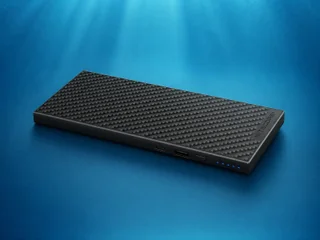
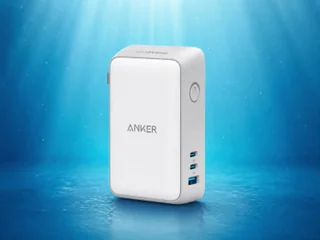
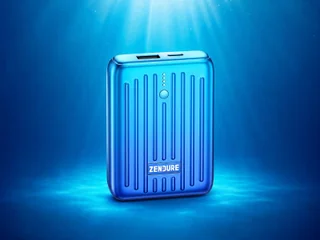
The marine environment is corrosive. Salt, moisture and sand attack connectors. An IP65 minimum rating protects against water spray and fine dust. Some powerbanks like the Anker 737 or Zendure SuperTank offer reinforced housings suited to dive boat deck conditions.
Frequently asked questions
Which powerbank should I choose for an underwater photography trip?+
Choose a powerbank of 100 Wh or less to stay IATA compliant. It should provide at least 65 W USB-C output to charge a mirrorless camera, and weigh under 600 g to keep your carry-on light.
Can I bring a powerbank on a plane for my dive gear?+
Yes, powerbanks under 100 Wh are allowed in cabin baggage without restriction. Between 100 and 160 Wh, airline approval is required. Above 160 Wh, air transport is prohibited. Powerbanks are never allowed in checked luggage.
How do I calculate energy needs for a liveaboard trip?+
List all your devices (camera, strobes, dive light, dive computer, phone) and estimate their daily Wh consumption. Multiply by the number of days. Our built-in calculator does this automatically, factoring in liveaboard charging constraints.
What powerbank capacity do I need to charge underwater strobes?+
An underwater strobe typically uses 15 to 25 Wh per full charge. A 50 Wh powerbank can charge two strobes. For a week-long trip with two dives per day, plan at least 70 Wh of capacity dedicated to strobes.
Do I need an AC outlet powerbank for underwater photography?+
Powerbanks with AC output (portable stations) are handy for chargers without USB-C input, but they often exceed 160 Wh and are banned on flights. Prefer USB-C PD compatible chargers to stay under the IATA limit.