Vind jouw duikcomputer

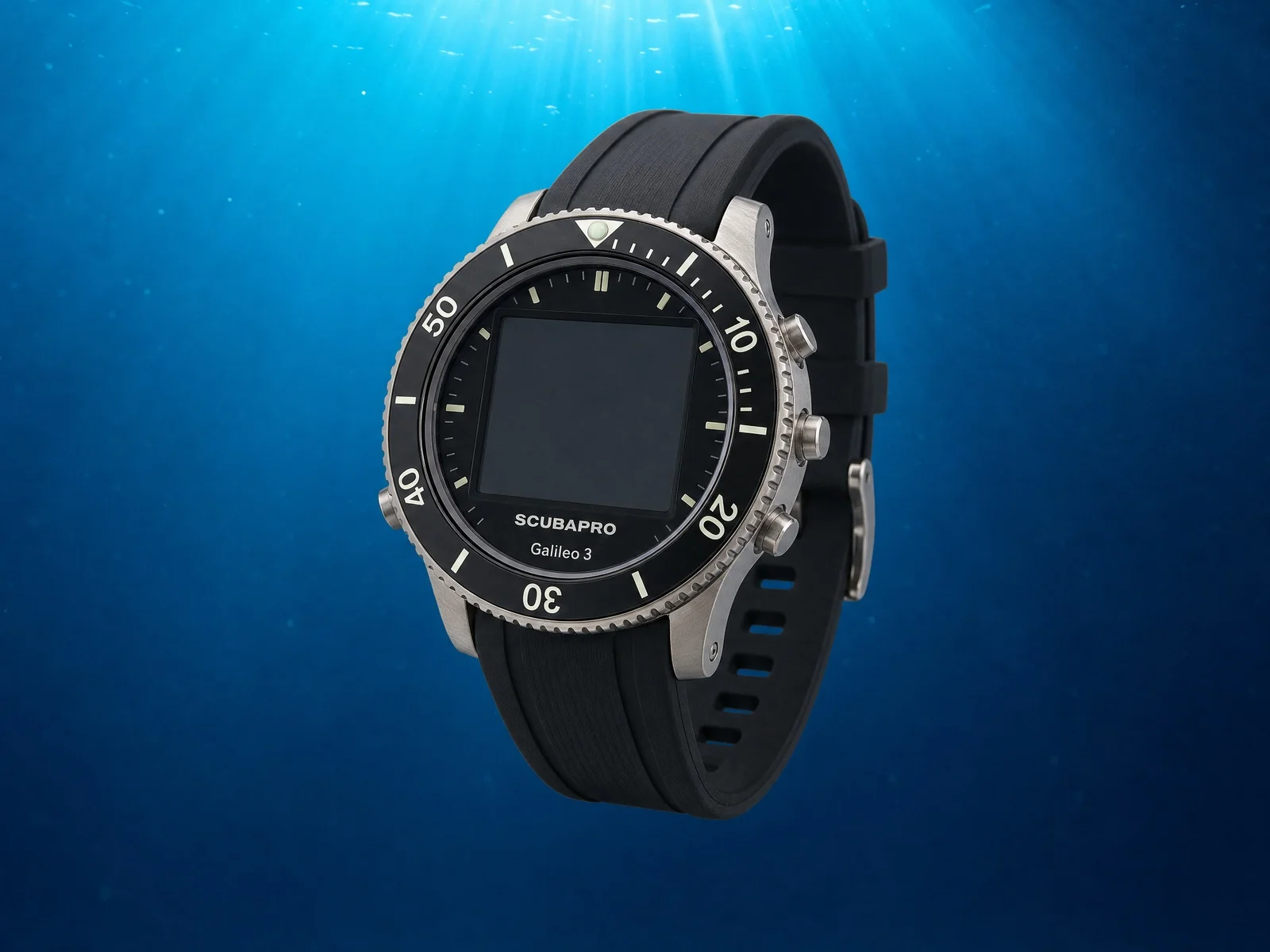
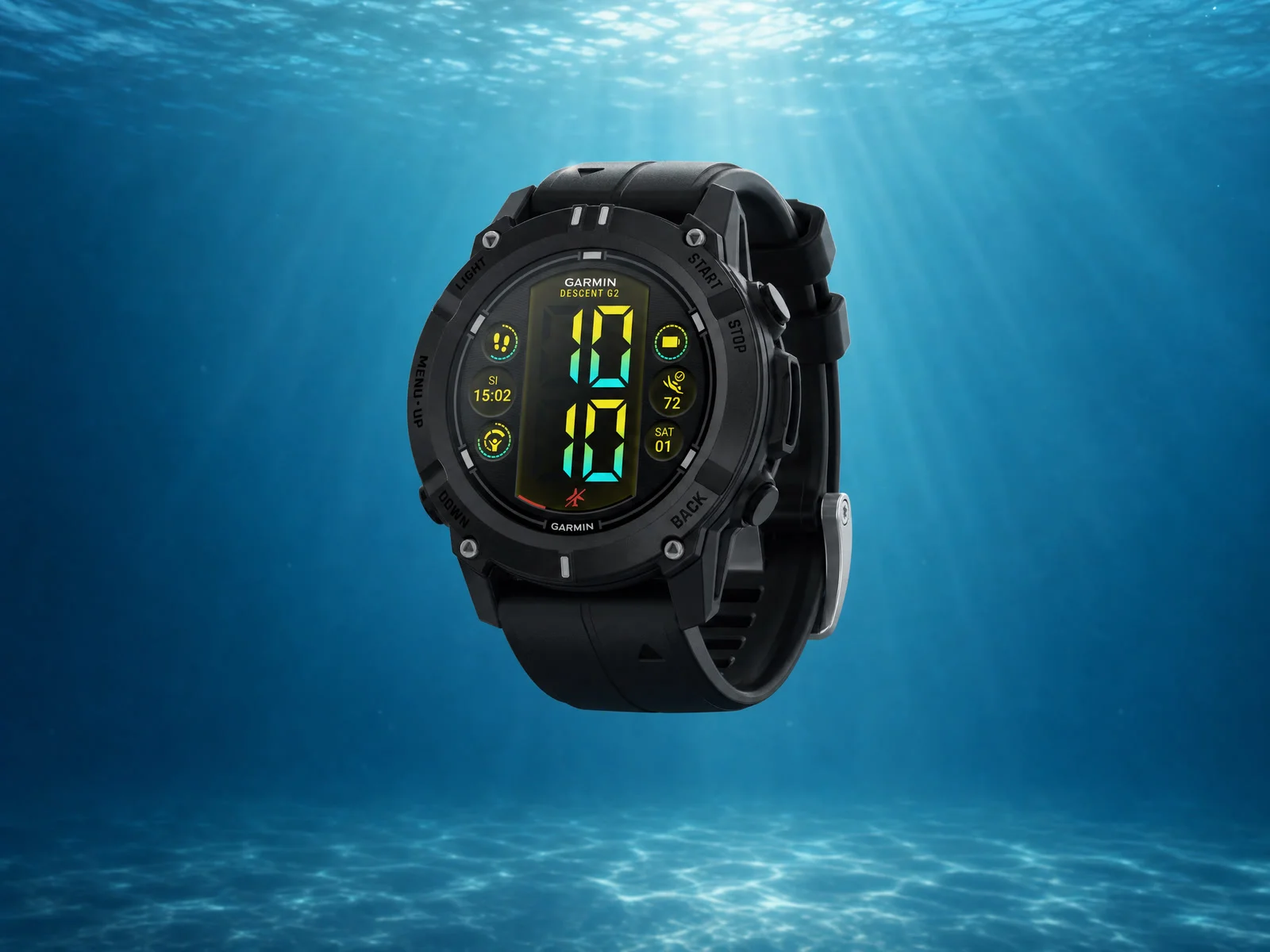
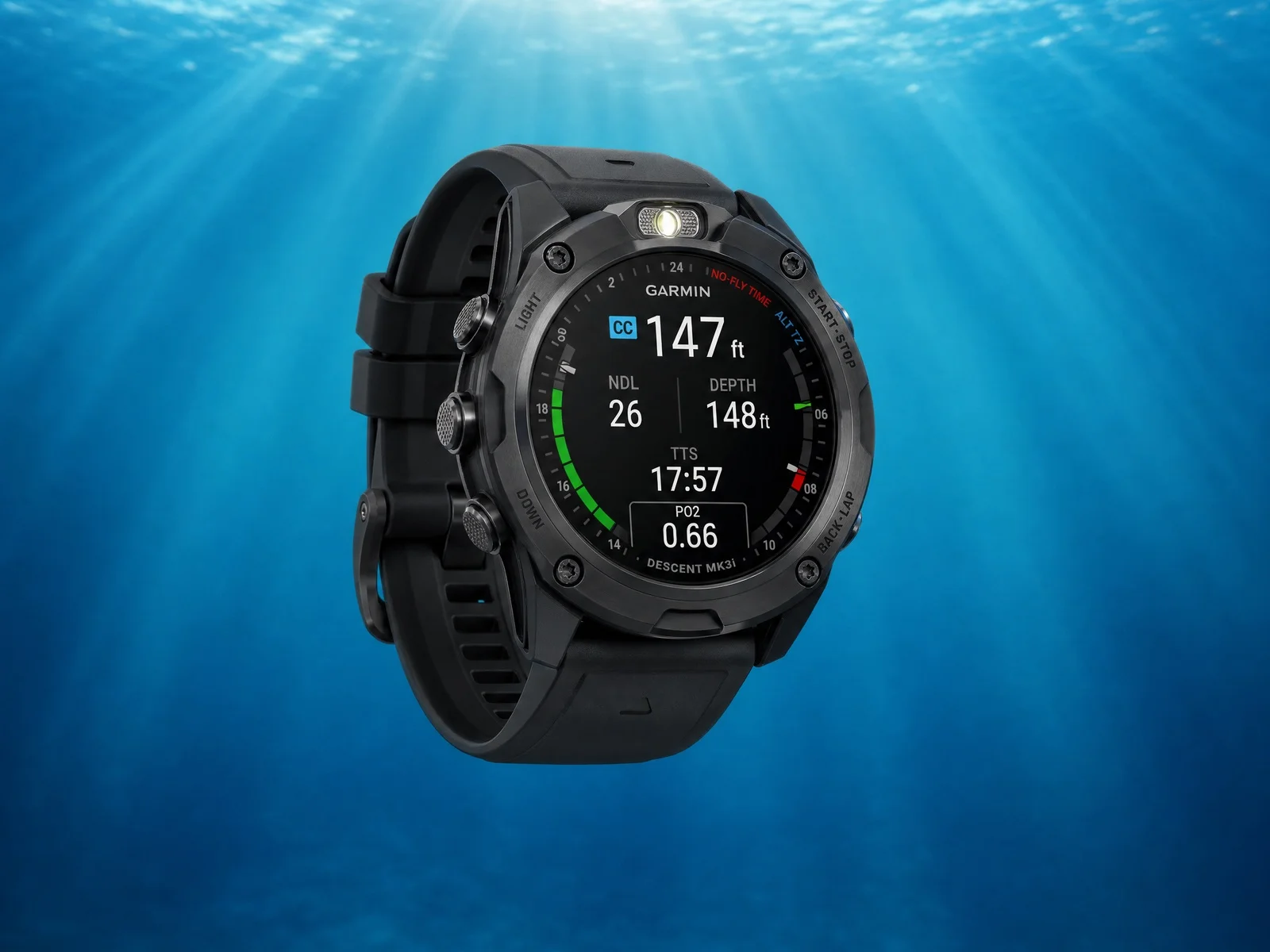
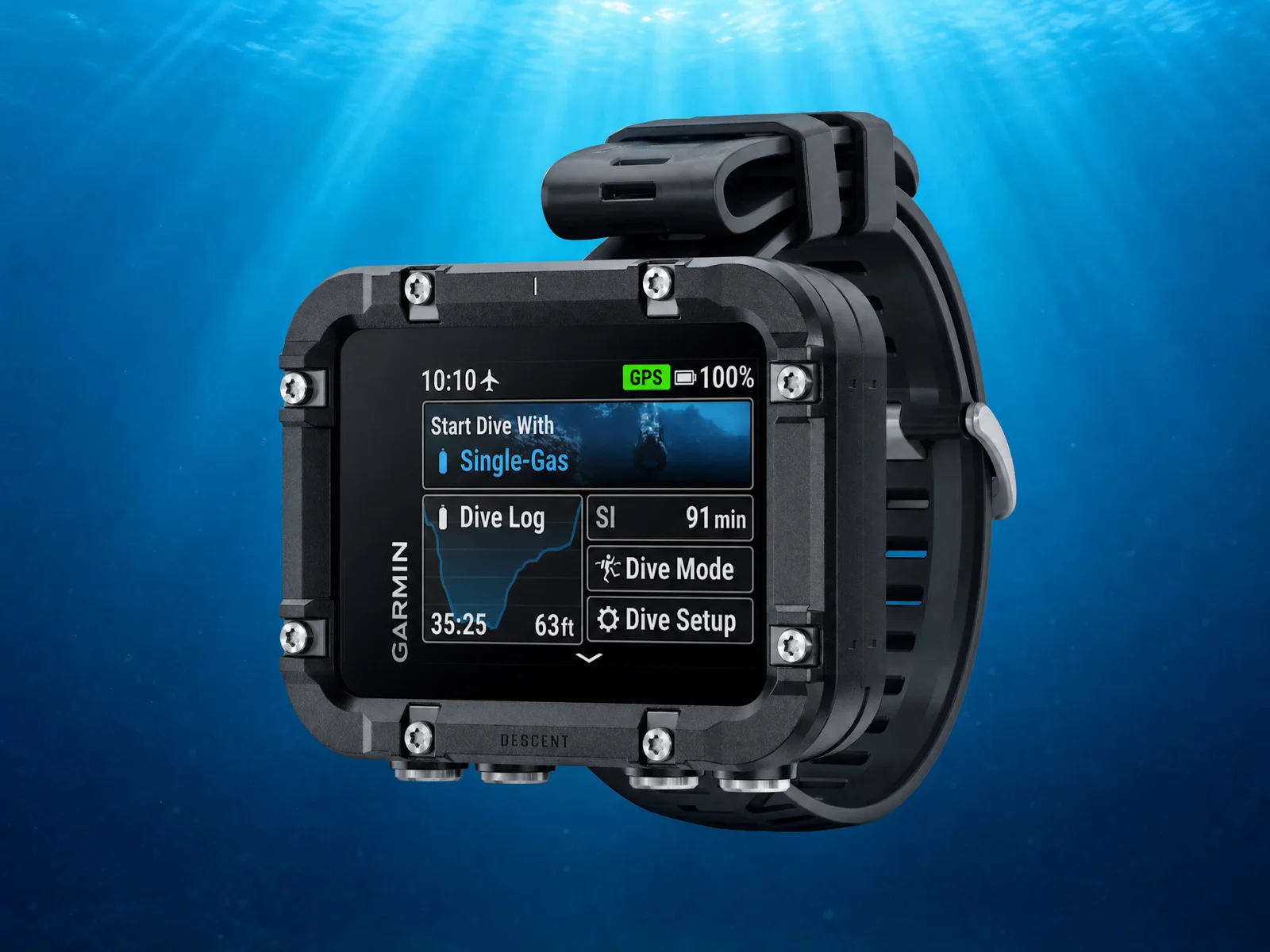
Waarom en hoe deze duikcomputervergelijker te gebruiken?
Tijdens mijn eerste jaren van verkenning, vooral tijdens mijn lesduiken in Griekenland of in de diepere wateren van de Malediven, bracht ik hele avonden door met het zoeken naar betrouwbare gegevens om mijn veiligheidsinstrumenten te vergelijken.
Een duikcomputer is geen eenvoudig modeaccessoire. Het is het apparaat dat de stikstofdesaturatie van onze weefsels in real time berekent. Ik heb deze tool gebouwd om de werkelijke specificaties van elk model te centraliseren.
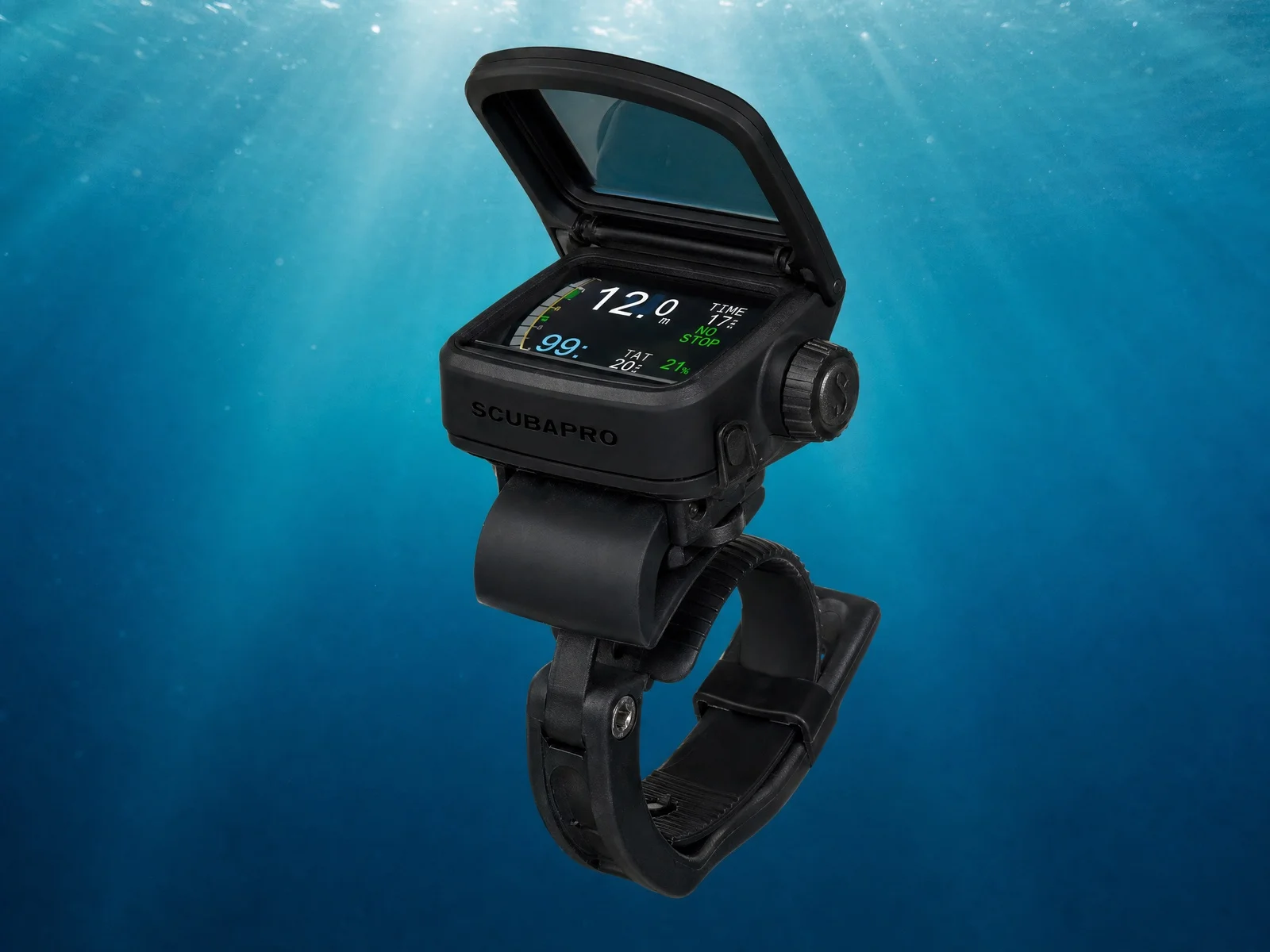
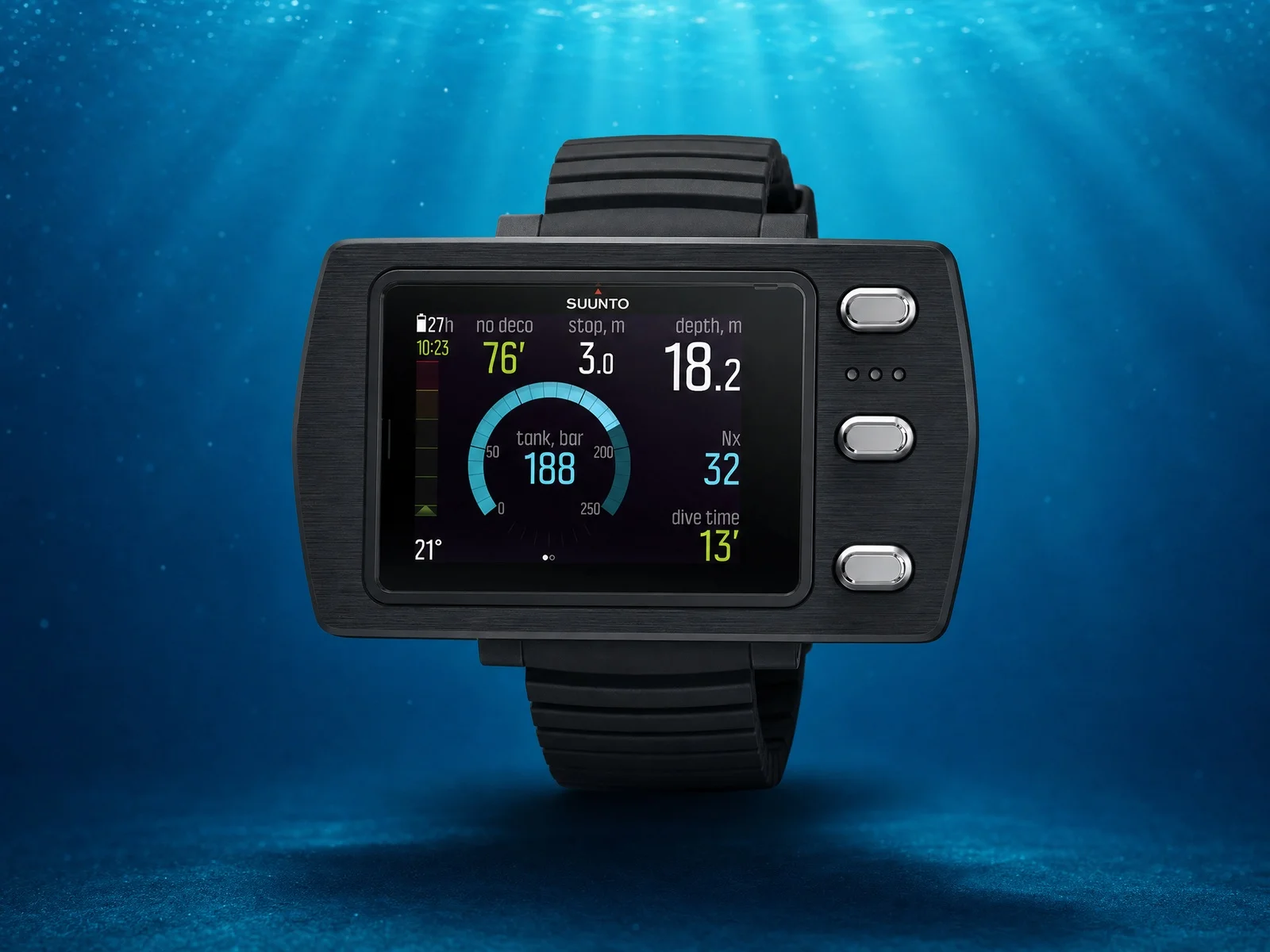
Je kunt twee modellen selecteren om hun kenmerken te overlappen. Een interactieve radargrafiek toont onmiddellijk de verschillen in prestatie. De sterke en zwakke punten verschijnen op een zeer visuele manier.
Onze evaluatiecriteria bij AquaExposure rusten op acht hoofdpijlers. De eerste pijler betreft het decompressie-algoritme. We geven de voorkeur aan transparante modellen gebaseerd op de Bühlmann ZHL-16C met instelbare Gradient Factors.
De tweede pijler meet de fysieke robuustheid en het ontwerp van de behuizing. Een duikinstrument moet bestand zijn tegen schokken op het dek van een boot en tegen zoutwatercorrosie. De ergonomie van de knoppen onder water wordt ook geanalyseerd.
De derde pijler evalueert de leesbaarheid van het scherm. AMOLED- of kleurenelementen (TFT) bieden een uitstekend contrast in het duister van steengroeven of grotten. Klassieke gesegmenteerde LCD-schermen blijven leesbaar in direct zonlicht.
De vierde pijler analyseert de batterijduur en voedingsmodus. Een door de gebruiker vervangbare batterij biedt totale vrijheid tijdens reizen naar afgelegen gebieden. Een inductief oplaadbare batterij is moderner.
De vijfde pijler betreft de connectiviteit en het overbrengen van profielen. Snelle Bluetooth-synchronisatie maakt het mogelijk je duiken rechtstreeks in je mobiele app te documenteren. Dit vermijdt verouderde eigen kabels.
De zesde pijler valideert draadloze luchtintegratie via zender. Met deze handige optie kun je de flesdruk rechtstreeks op het scherm bewaken. Ze moet echter altijd worden ondersteund door een mechanische reservemanometer.
De zevende pijler houdt rekening met de aanwezigheid van een digitaal kompas. Een responsief elektronisch kompas vergemakkelijkt de onderwaternavigatie aanzienlijk. Het maakt ook waardevolle ruimte vrij op de pols van de fotograaf.
De achtste pijler schat de kwaliteit van de klantenservice van het merk. Feedback over de reactiesnelheid van fabrikanten bij storingen is geïntegreerd. Een goede service garandeert de duurzaamheid van je investering.
Uiteindelijk is de ideale tool degene die zich helemaal laat vergeten bij het te water gaan. Hij moet je de onderwaterwereld in alle rust laten observeren. Met sterren in je ogen.
Veelgestelde vragen
Welke duikcomputer te kiezen als beginner?+
Voor beginners is een eenvoudige en voordelige computer met een groot LCD-scherm (zoals de Suunto Zoop Novo of Cressi Leonardo) perfect. Hij biedt alle essentiële veiligheidsfuncties (Lucht/Nitrox, diepte, nultijd) zonder onnodige complexiteit.
Wat zijn Gradient Factors en waarom zijn ze belangrijk?+
Met Gradient Factors (GF) kun je het conservatisme van het Bühlmann ZHL-16C-algoritme aanpassen. Dit is een belangrijke functie om decompressiestops aan te passen aan je fysieke conditie of diepe duiken, vaak aanwezig op high-end computers (bijv. Shearwater).
Is draadloze luchtintegratie essentieel?+
Nee, hoewel het je in staat stelt je flesdruk rechtstreeks op het scherm te lezen, vervangt het nooit de verplichte mechanische reservemanometer. Bovendien verbruiken zenders meer energie en zijn ze gevoelig voor storingen.
Moet ik de voorkeur geven aan een vervangbare of oplaadbare batterij?+
Knoopcelbatterijen bieden een enorme autonomie van 1 tot 2 jaar en zijn onderweg eenvoudig te vervangen. Oplaadbare batterijen zijn milieuvriendelijk en handig, maar slijten en vervanging vereist vaak een fabrieksreparatie.