8/11
73%
Chapter 8 — pratique
Data Flow and Storage: Memory Cards for Underwater Photography
Choosing the right memory card for diving. Write speed, buffer size, and class ratings – and how they affect your underwater photography.
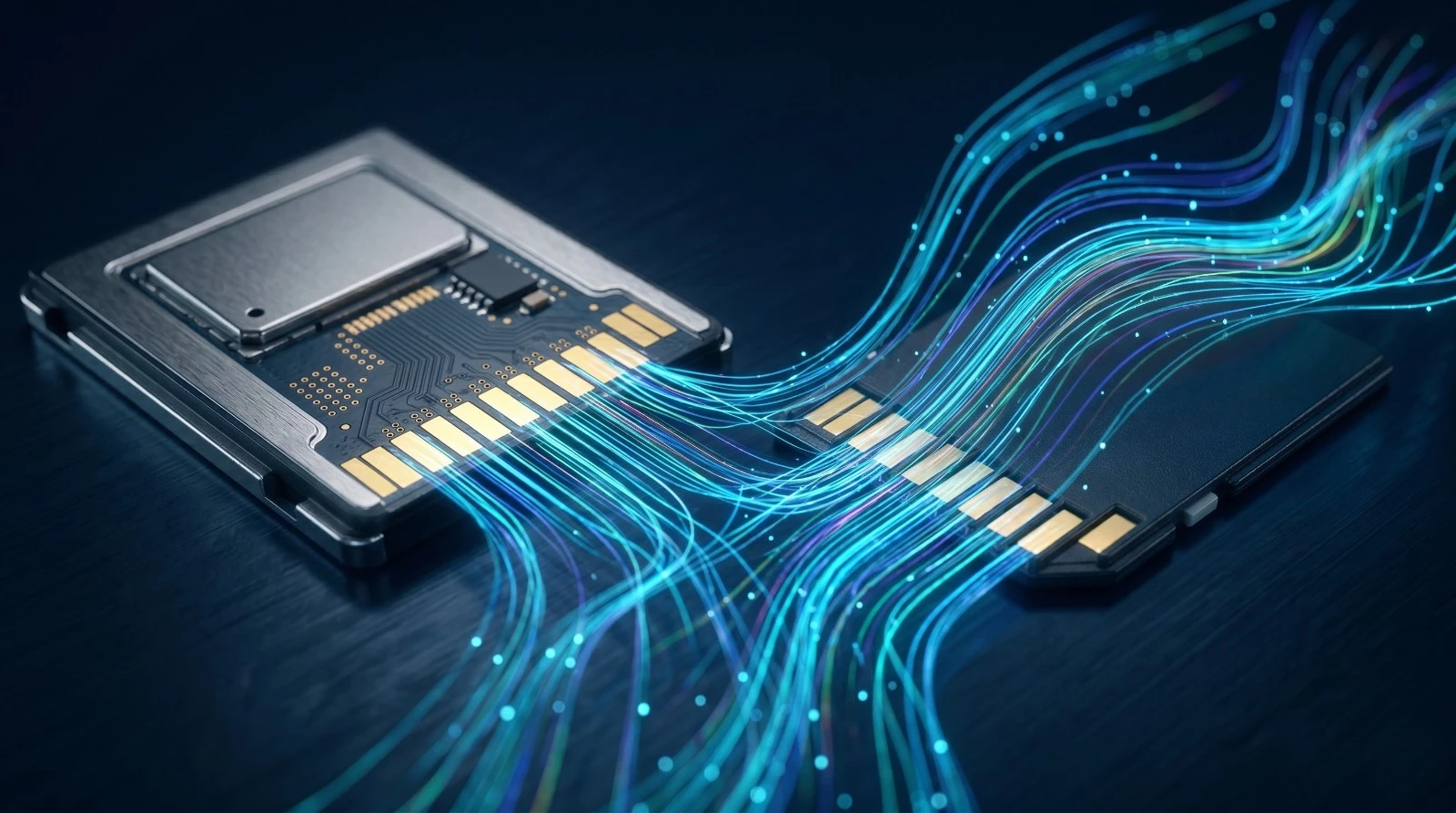
The Buffer: The Data Waiting Room
The sensor produces data faster than the card can write it. The buffer temporarily stores this data. Its size determines how many burst shots you can take before the device slows down.
Full buffer = device freezes. The larger the buffer and the faster the card, the more shots you can take without interruption. Crucial for capturing a school of fish or fleeting animal behavior.
Card Speed Classes
| Class | Minimum Write Speed | Photo Use | Video Use |
|---|---|---|---|
| V30 (UHS-I) | 30 MB/s | JPEG, Basic RAW | 4K 30fps |
| V60 (UHS-II) | 60 MB/s | High Resolution RAW | 4K 60fps |
| V90 (UHS-II) | 90 MB/s | Intensive RAW Burst | 8K, ProRes |
| CFexpress B | 400+ MB/s | Unlimited RAW Burst | 8K Internal RAW |
Underwater Use
While diving, you cannot change your card. Make sure your card has enough capacity for the entire dive AND enough speed to avoid freezing the device at the wrong moment.
Data Integrity
A faulty card can mean the irreversible loss of irreplaceable photos. Prioritize recognized brands, format regularly in the device, and back up as soon as you return to the boat.
🧪 Outils interactifs
Frequently asked questions
Quelle vitesse de carte pour la photo RAW sous-marine ?
Minimum V60 (60 Mo/s). Pour haute resolution ou rafale : CFexpress (400+ Mo/s). Video 4K : V30 minimum.
Combien de cartes pour un voyage plongee ?
Minimum 2 cartes par jour. En RAW 24 MP : environ 200 photos par 32 Go. Pour 10 jours : 128 Go minimum sur plusieurs cartes.
La chaleur affecte-t-elle les cartes en plongee ?
L'eau refroidit naturellement le caisson. Le risque est en surface, sous le soleil. Ne pas laisser le caisson au soleil entre les plongees.