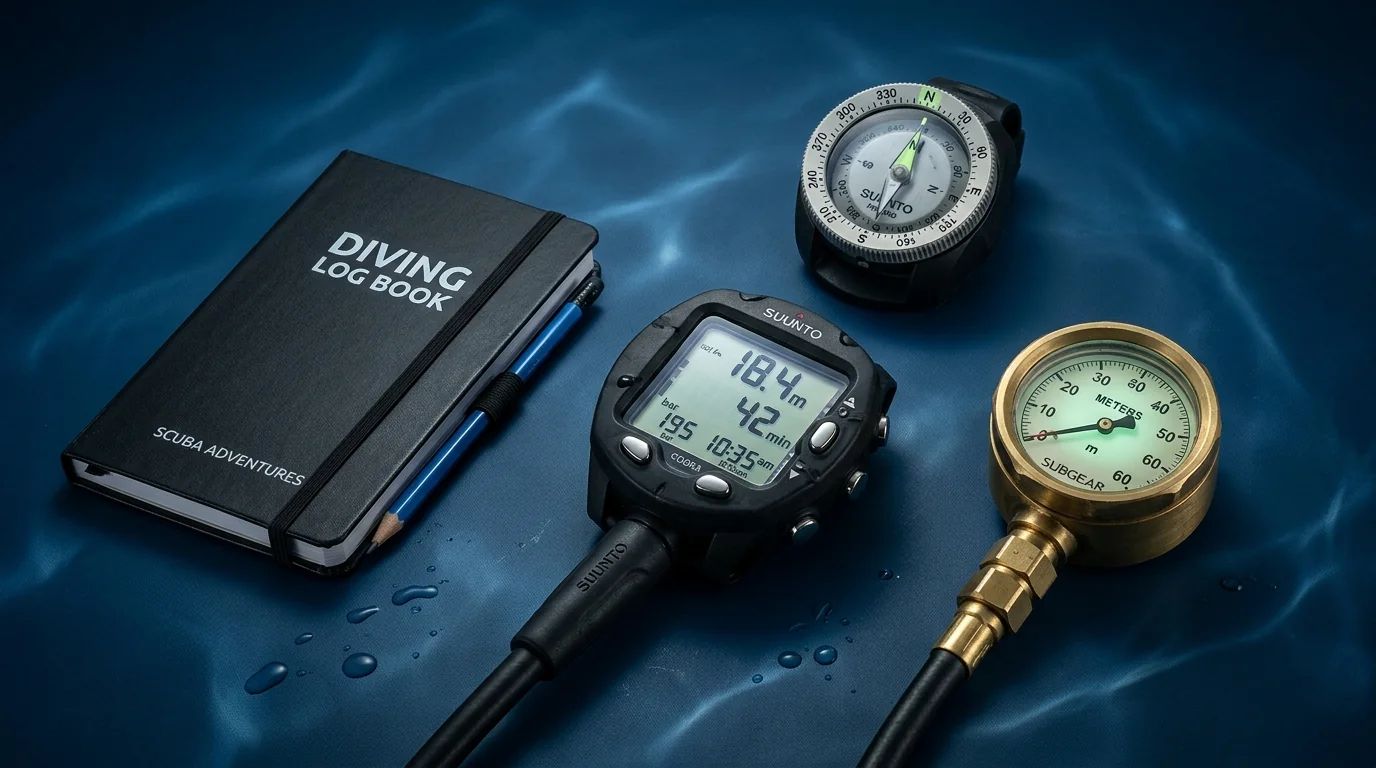
Tools and calculators catalog
Weighting calculator, dive insurance, flight battery compliance, species season calendar, travel checklists and emergency tools.
Access all toolsDiving decision hub
Compare products based on your diving style, budget and priorities without marketing bias.
AquaExposure expert summary
Selecting scuba gear without overspending requires separating operational calculations (precise weighting, hyperbaric insurance, IATA cabin battery rules) from equipment selection. Our interactive comparators and buying guides evaluate every product based on 5-year mechanical durability, display readability under pressure, and genuine servicing costs.
Weighting calculator, dive insurance, flight battery compliance, species season calendar, travel checklists and emergency tools.
Access all toolsIn-depth comparators for computers, BCDs, regulators, fins, masks, wetsuits, SSDs and housings with reference picks.
Explore buying guides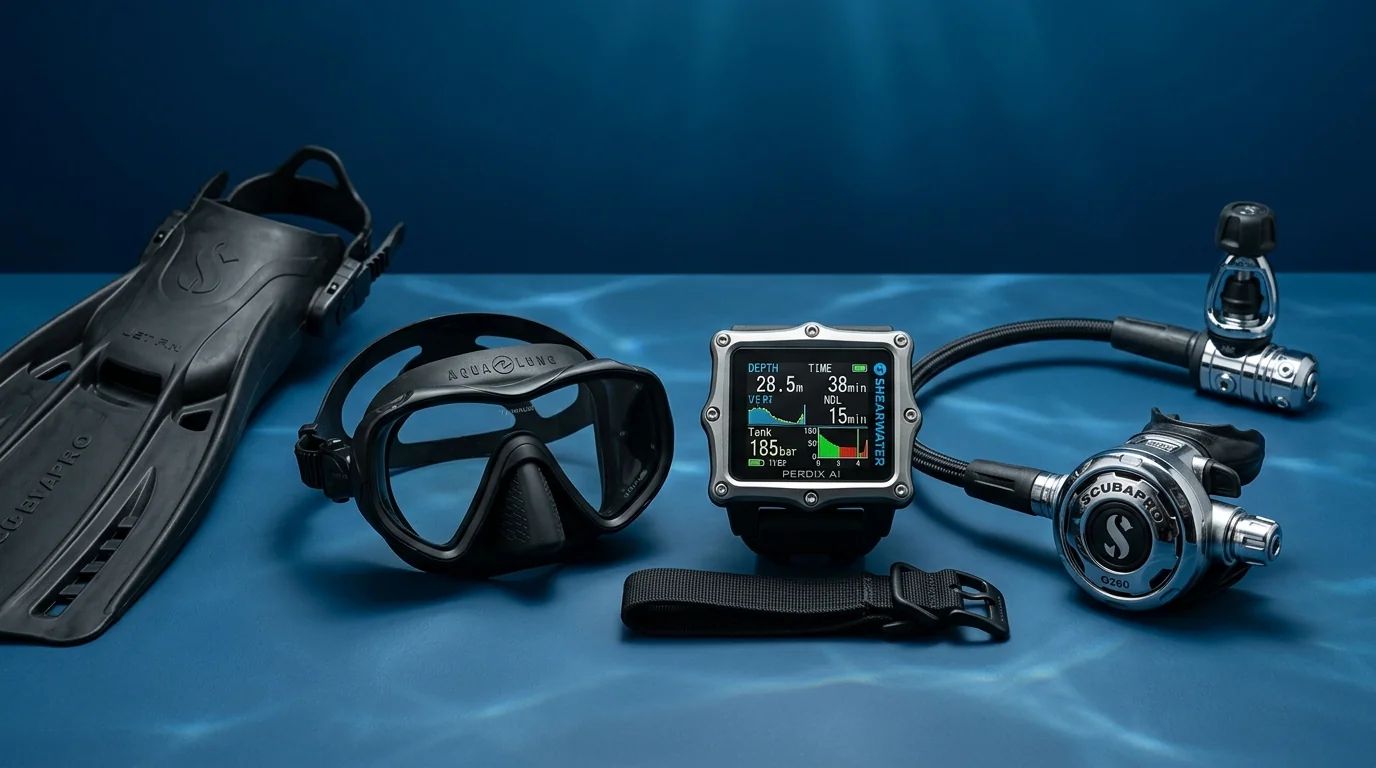
Six field needs
Each block answers one field problem, with a subject photo, one primary tool and the frequent doubts — no decorative pictograms.
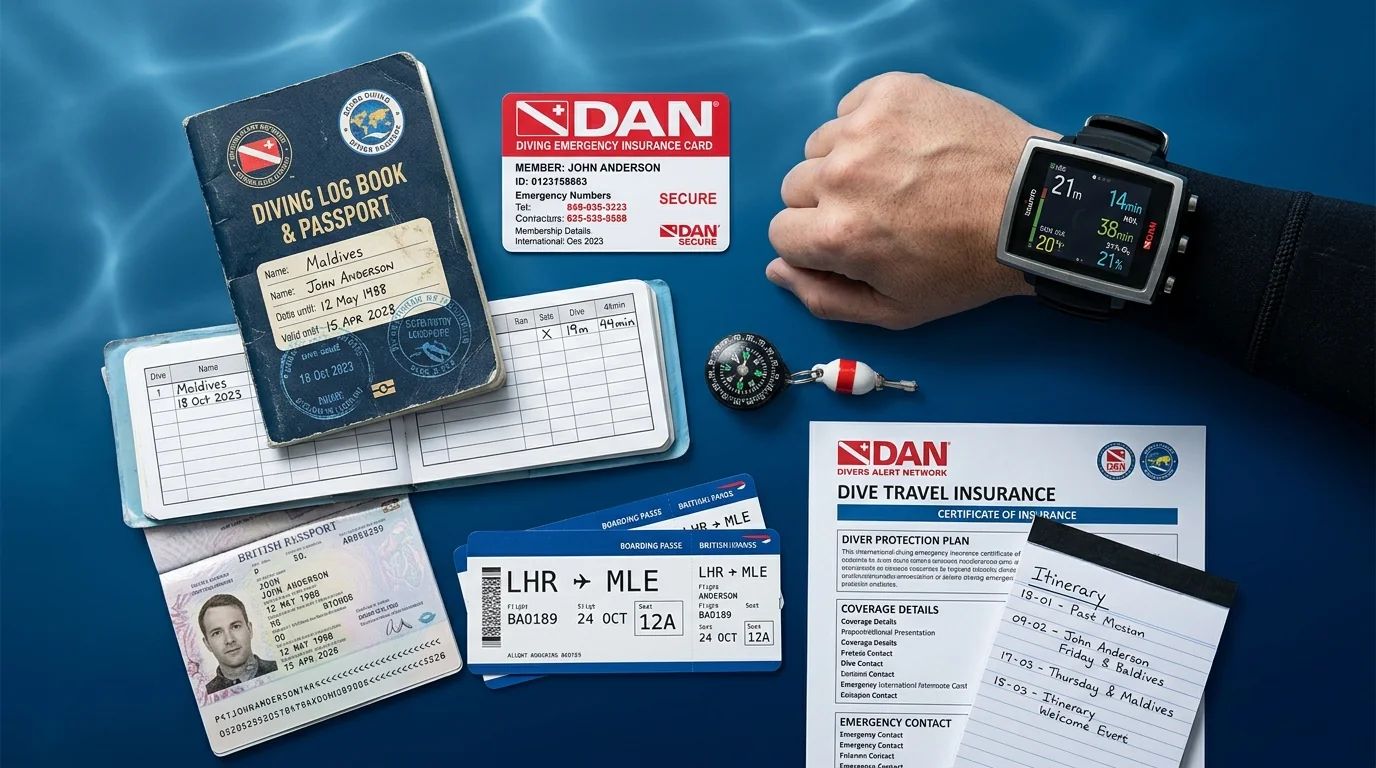
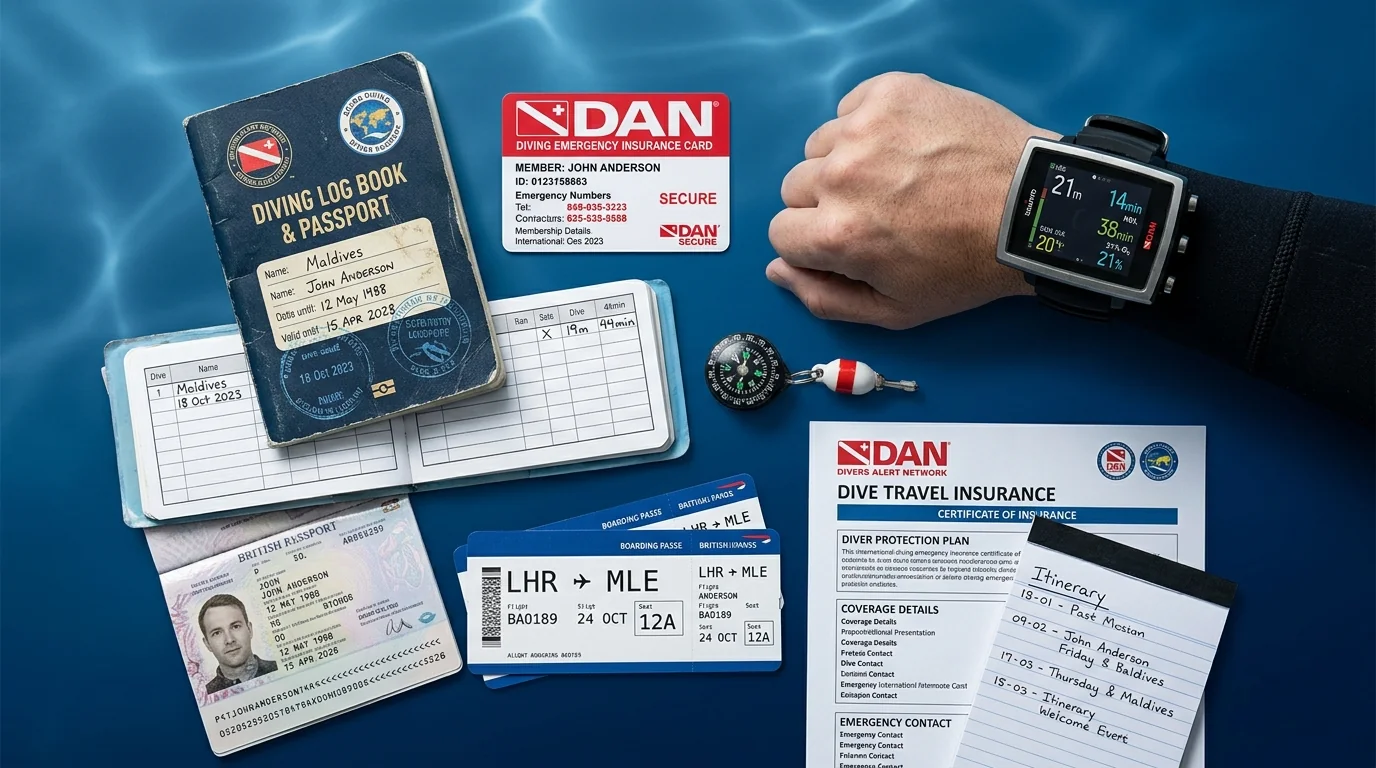
In diving, an evacuation or a hyperbaric chamber treatment can cost tens of thousands of euros. Standard credit cards often have low caps or require upfront cash. Specialized providers like DAN or DiveAssure pay emergency centers directly.
Insurance, budget and logistics
Most standard credit cards exclude deep dives or search and rescue operations. More importantly, they operate on reimbursement, creating severe delays if the hospital demands upfront payment.
You must budget for national marine park fees, boat crew tips, 15L tank or Nitrox rentals, and airline overweight luggage surcharges.
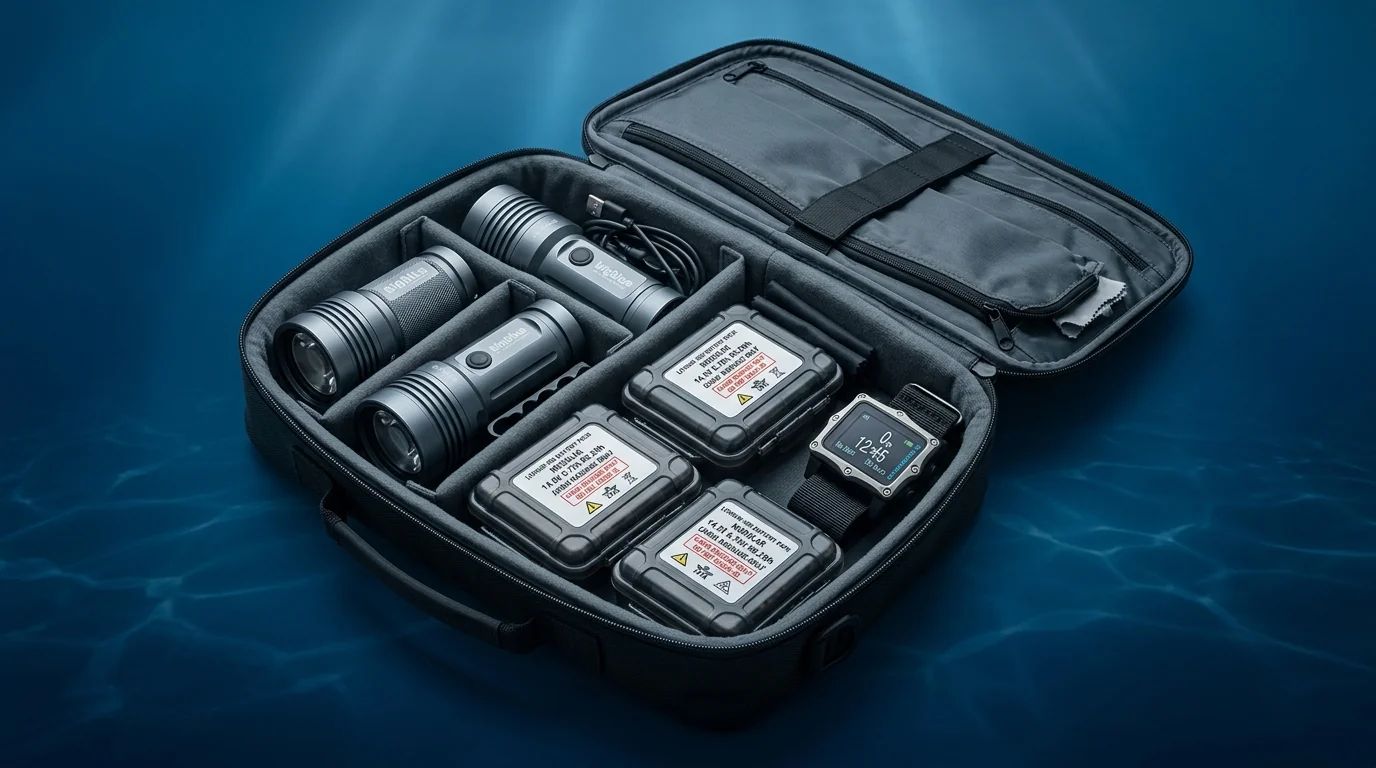
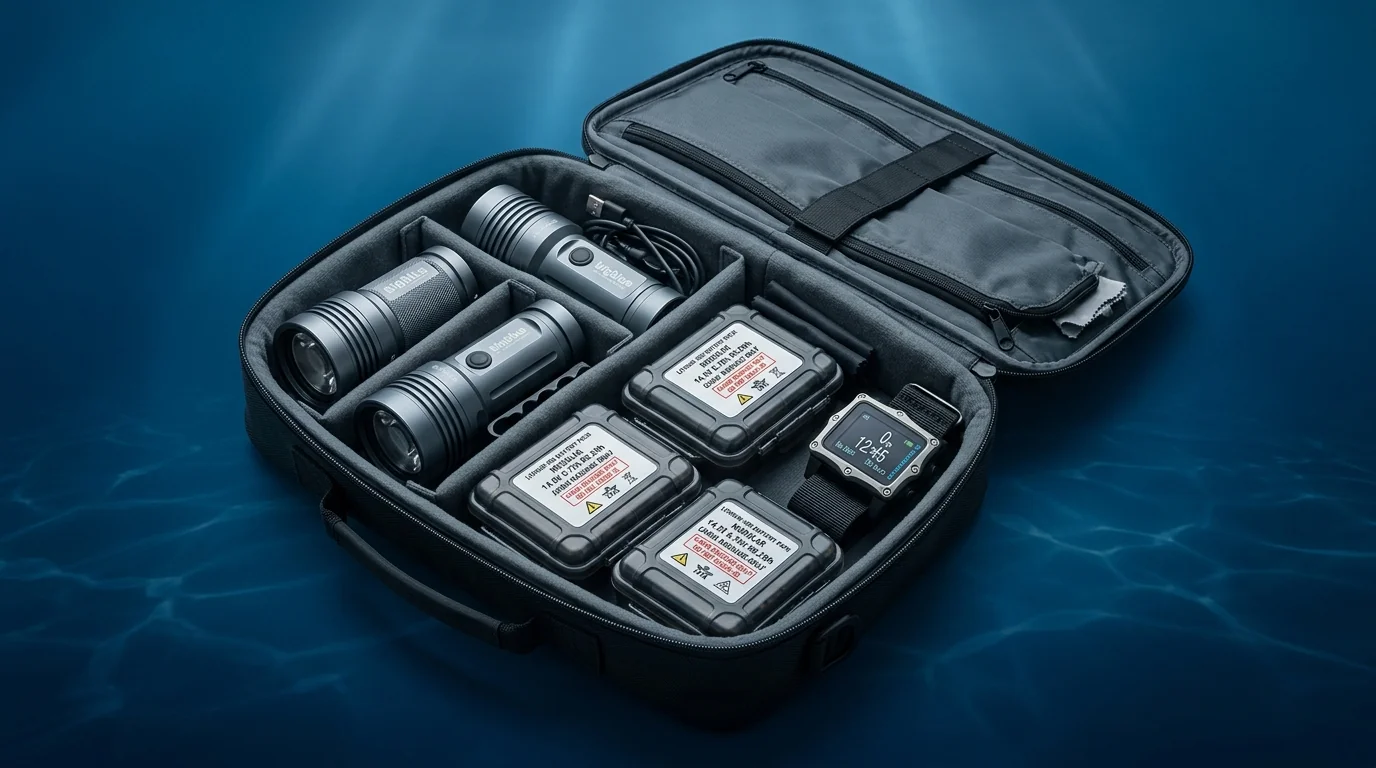
Flying with scuba gear follows strict regulations. Lithium batteries from lights, cameras, and powerbanks must travel in carry-on luggage. Batteries over 100 Wh without prior airline authorization will be seized at security.
Carry-on, flights and IATA batteries
Multiply the amp-hour capacity (Ah) by nominal voltage (V). For example, a 20,000 mAh battery (20 Ah) at 3.7 V equals 74 Wh, which is fully allowed in cabin baggage under the 100 Wh limit.
Always carry your dive computer, regulators, and camera lenses in a padded carry-on bag. Checked luggage risks physical impact and extreme temperature variations.
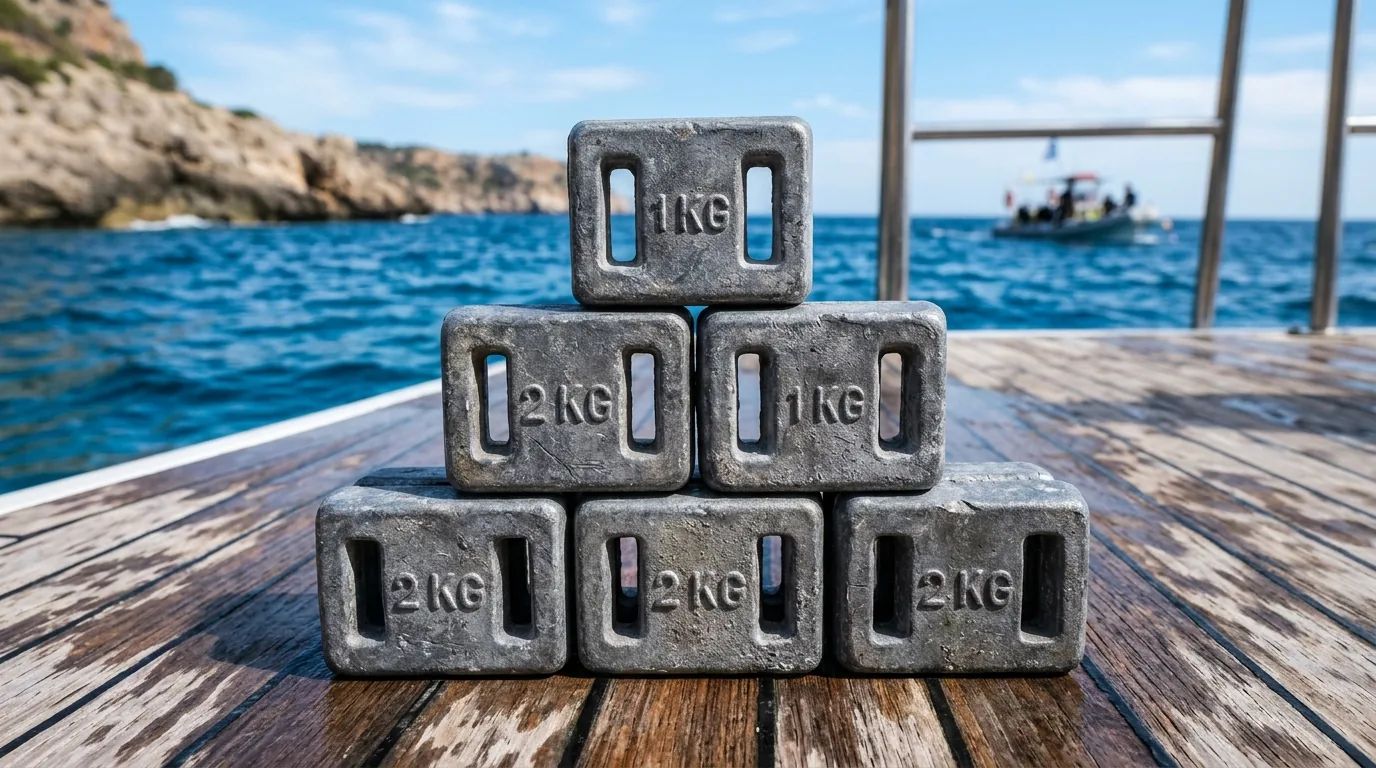
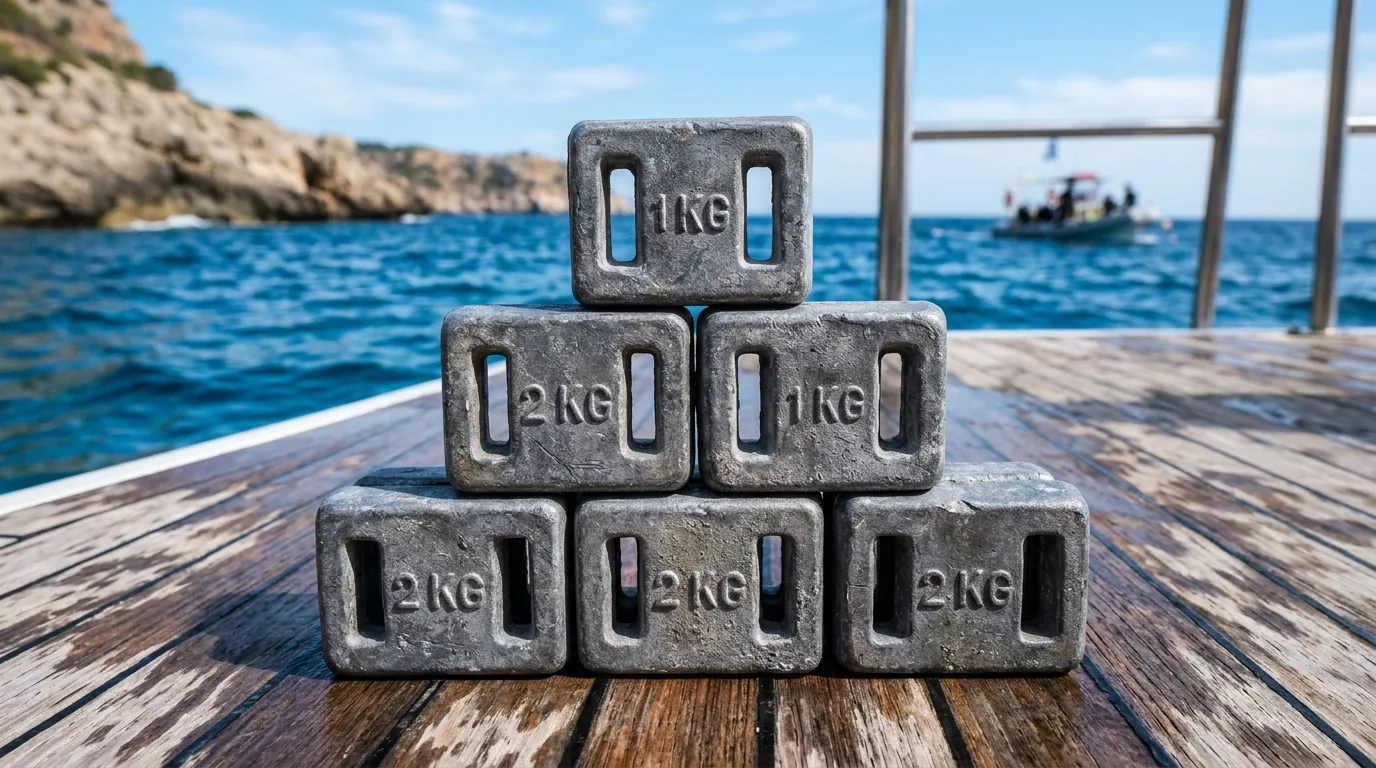
Overweighting is the most common issue in diving. Carrying 2 extra kilograms forces continuous BCD inflation, ruins trim, strains leg muscles, and increases air consumption. Proper weighting allows effortless 5-meter safety stops with 50 bars remaining.
Weighting, buoyancy and safety protocols
Saltwater is denser (approx. 1.025 kg/L versus 1.000 in freshwater), increasing buoyant force. For an adult in a 5 mm wetsuit, add between 1.5 kg and 2.5 kg of lead depending on body volume.
At 3 meters depth with 50 bars remaining in your tank, normal breath and completely empty BCD, you should hover neutrally without sinking or ascending.
Buying scuba gear should follow safety and personal fit logic. Our philosophy focuses on exact functional needs: picking rugged, serviceable gear rather than overpriced models loaded with gimmicks.
Gear and comparators
Always start with mask and fins for perfect fit and propulsion comfort. Next, buy your dive computer for decompression mastery, followed by your wetsuit. BCD and regulators should follow once you log more than 15 dives per year.
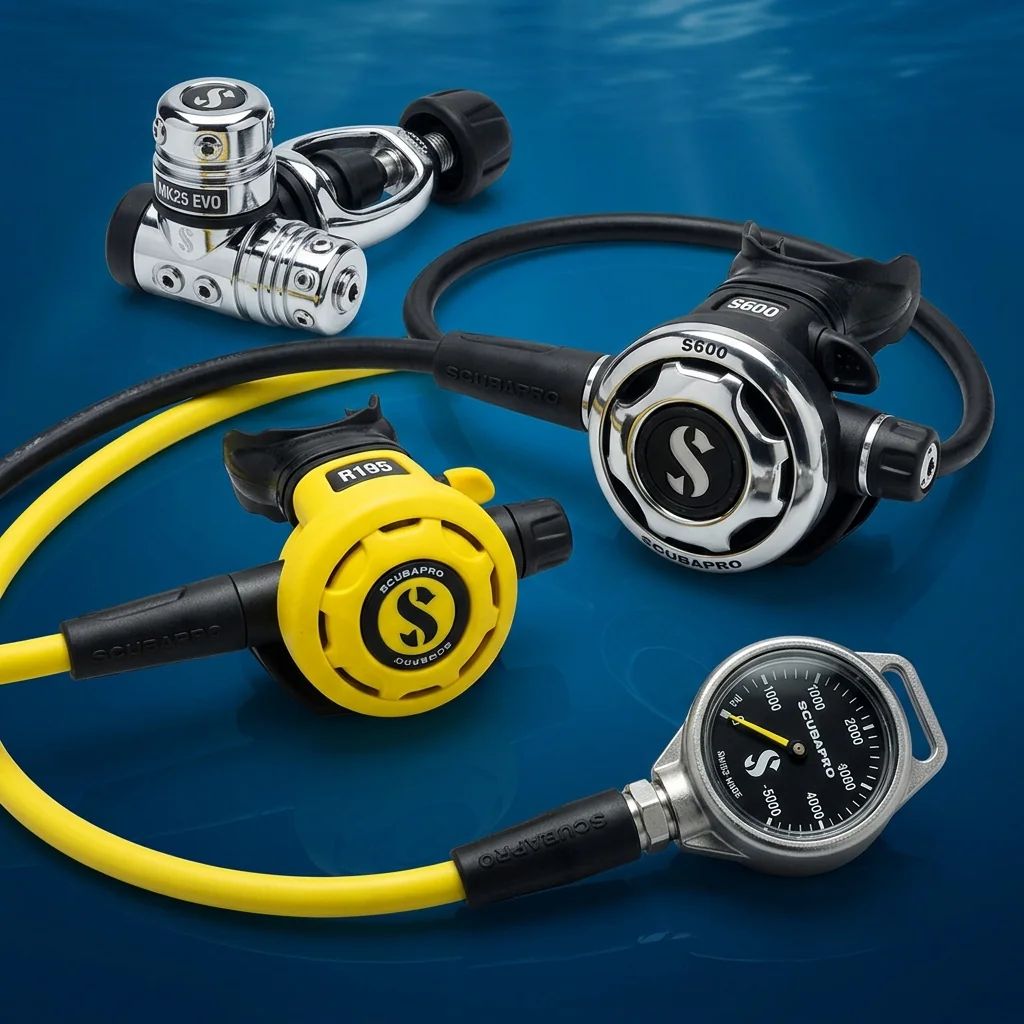
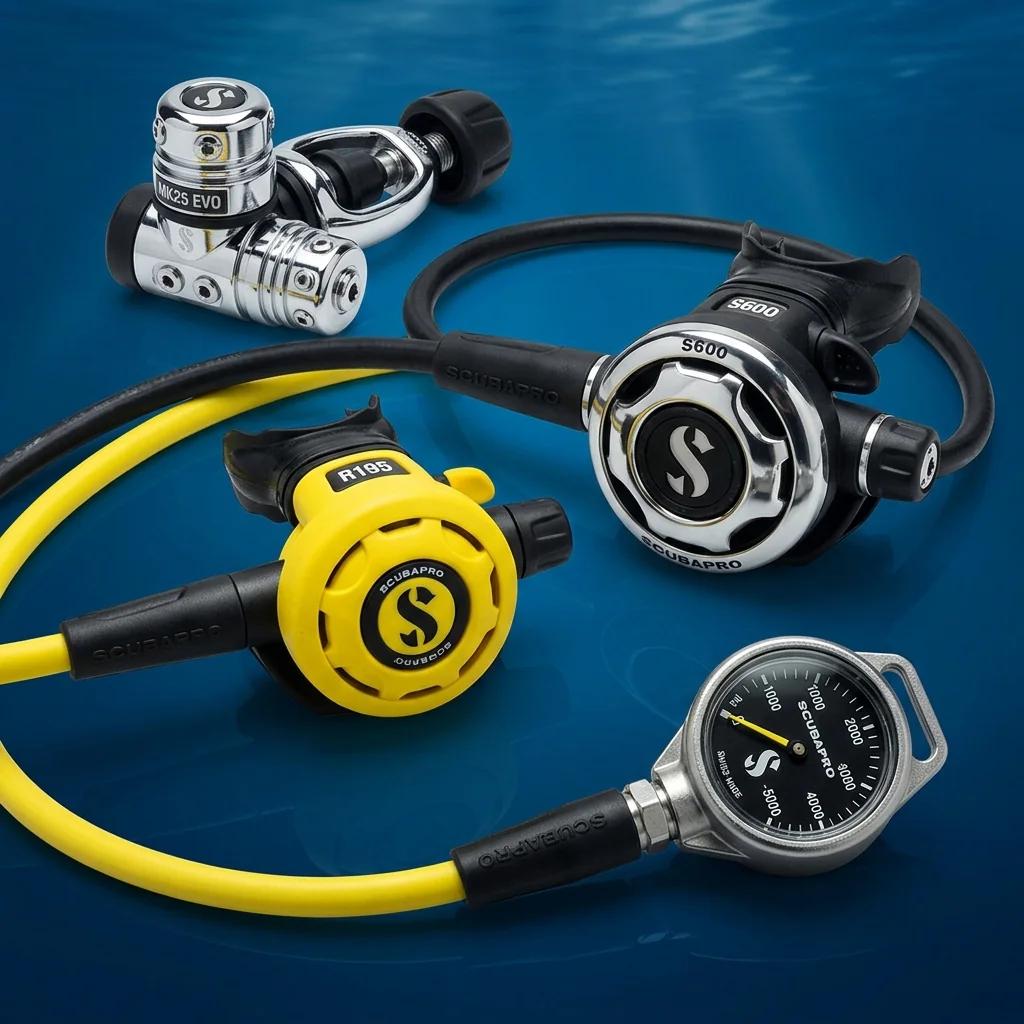
A dry-sealed balanced diaphragm prevents cold water and silt from contacting internal moving parts, greatly lowering freezing risks in cold lakes or winter quarries.
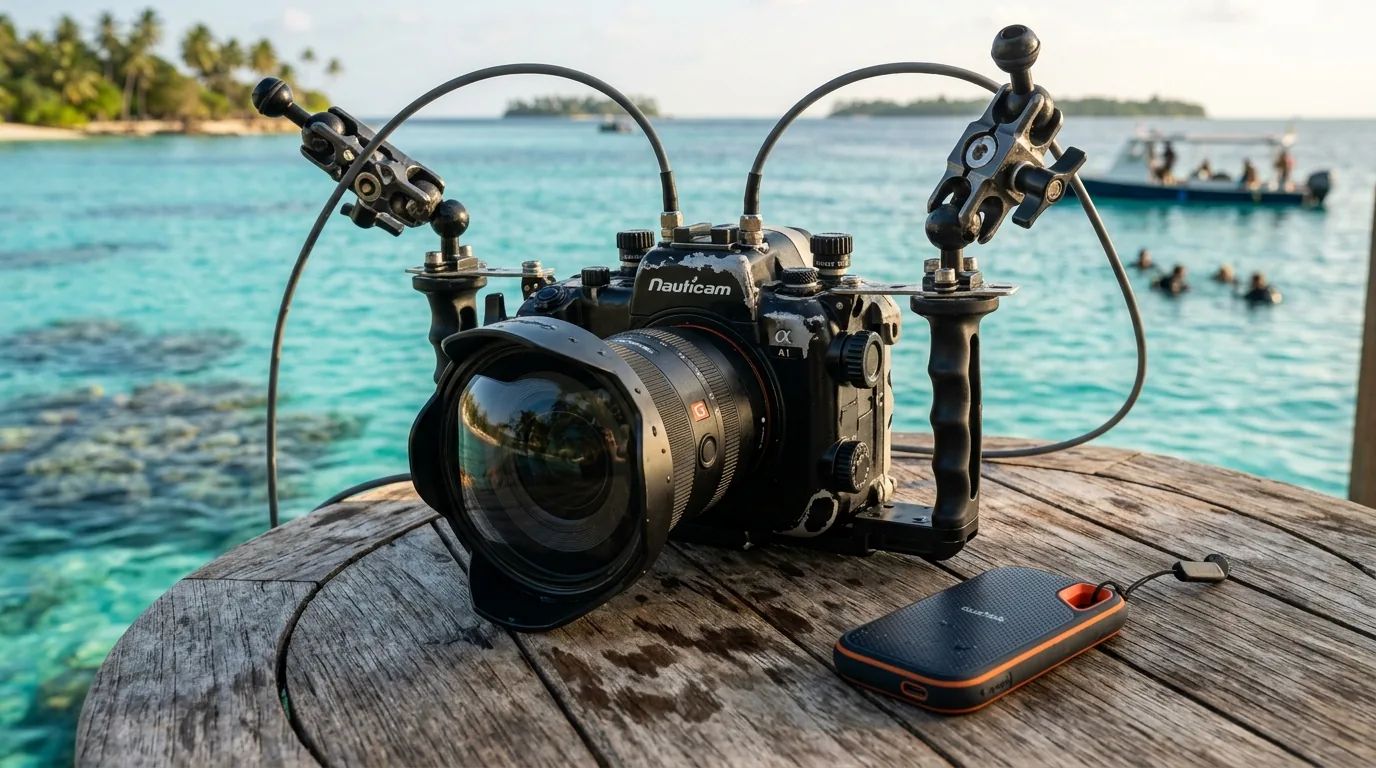
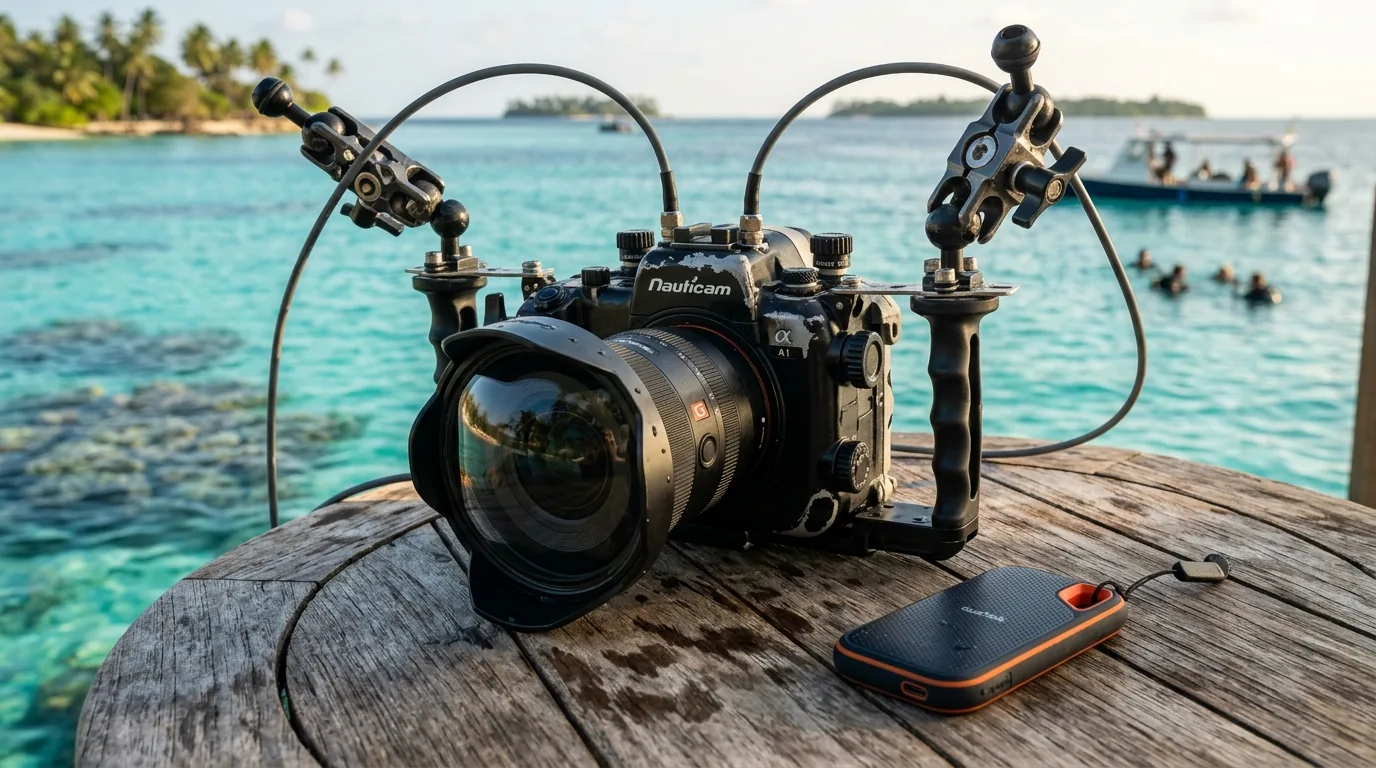
Underwater photography does not require a 5,000 euro setup right away. Today, a modern smartphone in a universal housing captures crisp natural-light footage. The real priority is daily file backup to an IP65 rugged SSD resistant to sea spray.
Photo, video and storage
Choose an external SSD with at least IP65 certification, such as the Samsung T7 Shield. Its elastomer armor withstands deck drops and sealed ports resist salty spray.
Yes, modern electronic and membrane smartphone housings (Divevolk, SeaLife SportDiver, Kraken) are depth-rated and pressure-tested to 40 or 60 meters.
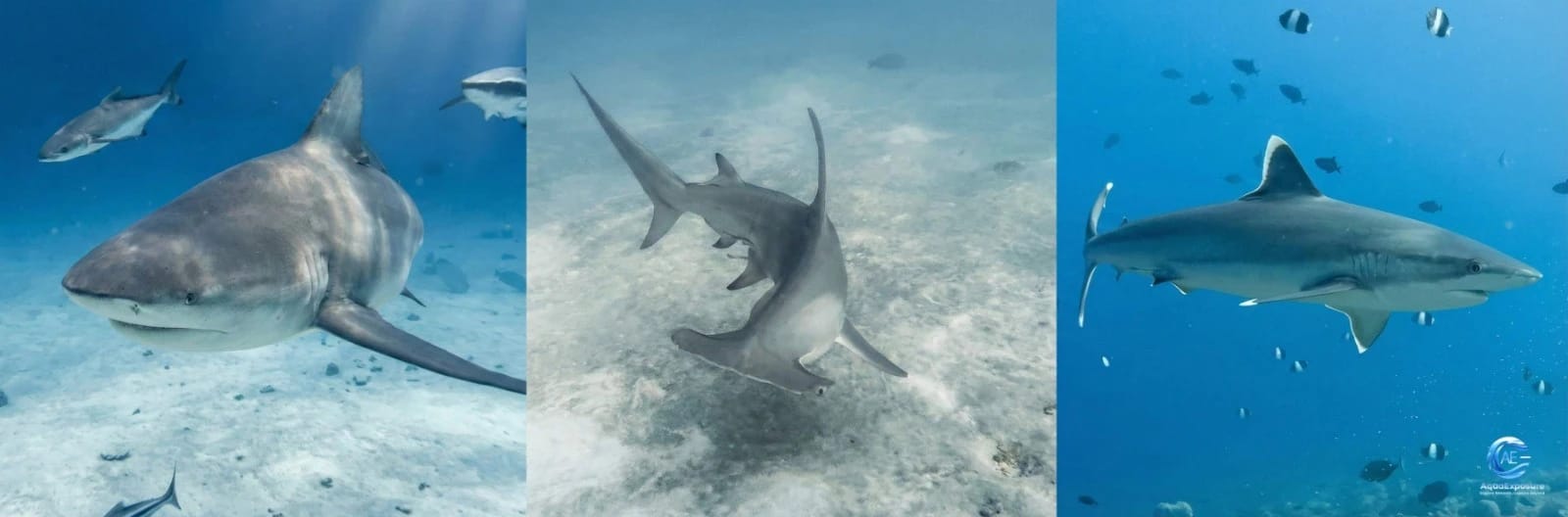
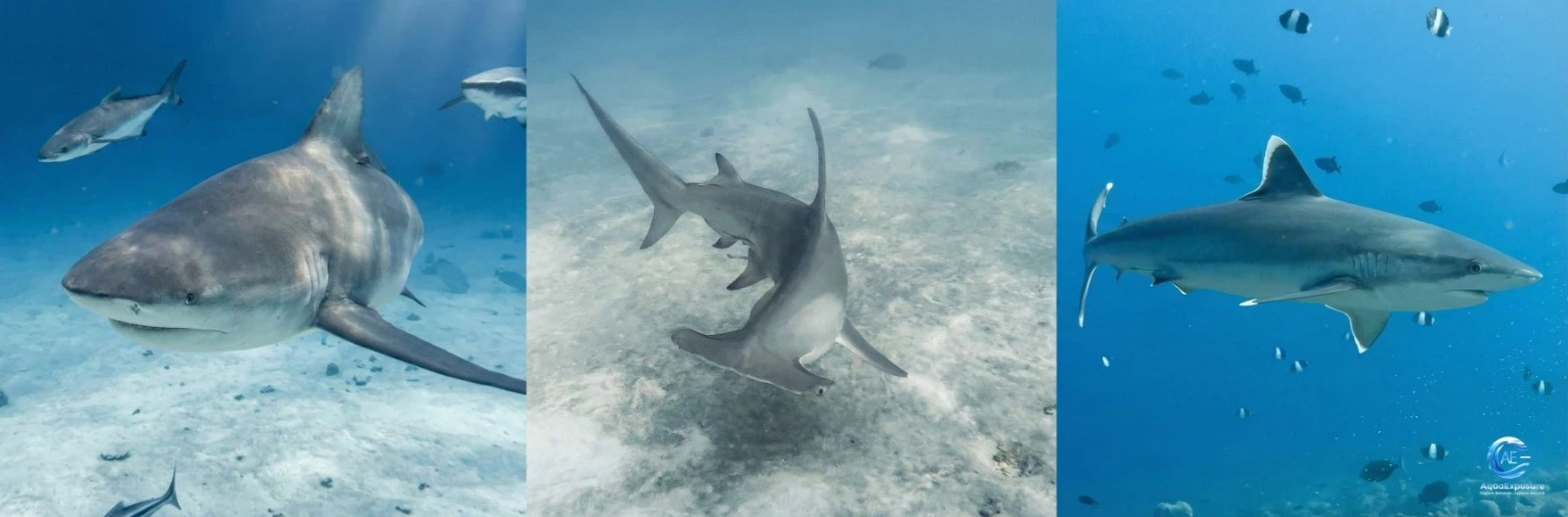
Successful marine encounters rely on seasonal timing. Manta rays, whale sharks, and hammerheads follow strict migratory cycles tied to monsoons and plankton blooms. Consulting a season calendar prevents booking a liveaboard during the wrong month.
Destinations, calendar and expeditions
Calm sunny seas do not guarantee pelagic encounters. Often, the largest manta or shark gatherings coincide with plankton blooms where visibility drops but food is abundant.
Verify tidal current strengths, average plateau depths, and water temperatures. Renowned sites like Komodo or the Maldives demand solid drift diving skills and DSMB deployment mastery.
Different diving styles require different compromises. Choose your profile below to see key recommendations and costly mistakes to avoid.
Focus on straightforward, intuitive and reassuring gear for your first dives. Your priority is mask comfort and a legible dive computer without complex menus.
Stay under airline luggage allowances and secure lithium batteries in carry-on according to IATA limits. Choose compact and easily serviceable components.
Underwater imaging requires absolute neutral buoyancy and an ultra-responsive housing. We prioritize universal touch housings and rugged accessories.
For decompression dives and multi-gas profiles. Proven mechanical durability, sealed first stages and adjustable Bühlmann algorithms are mandatory.
Gear up without overpaying. We identify dependable models with revision kits guaranteed for 10 years without paying marketing premiums.
Each card links to both the comprehensive buying guide (our default top picks) and the interactive comparator (to filter every model on the market).

From entry-level color models to multi-gas Bühlmann with transmitters.
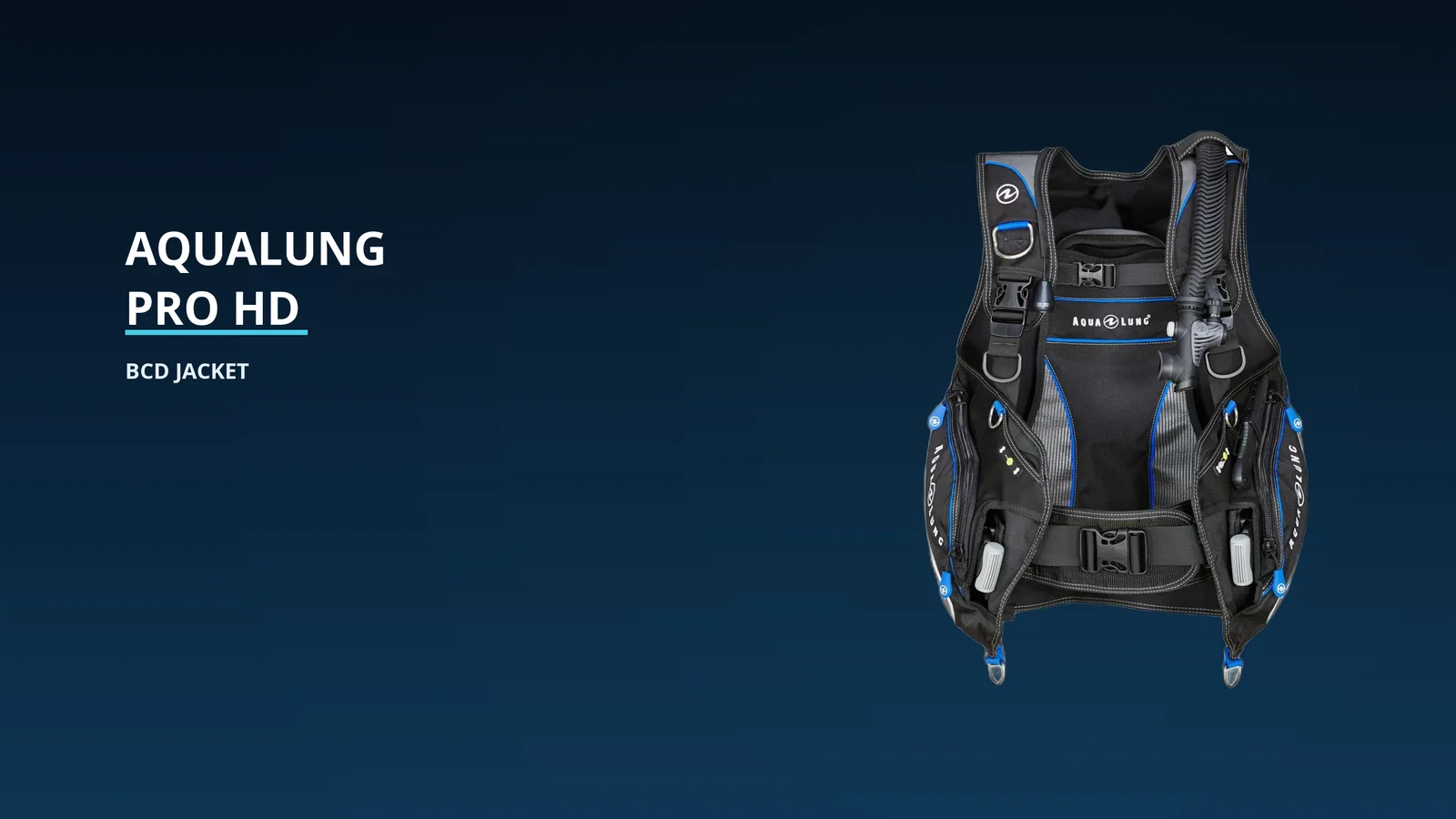
Back-inflate wings, jacket-style BCDs and lightweight travel wings.
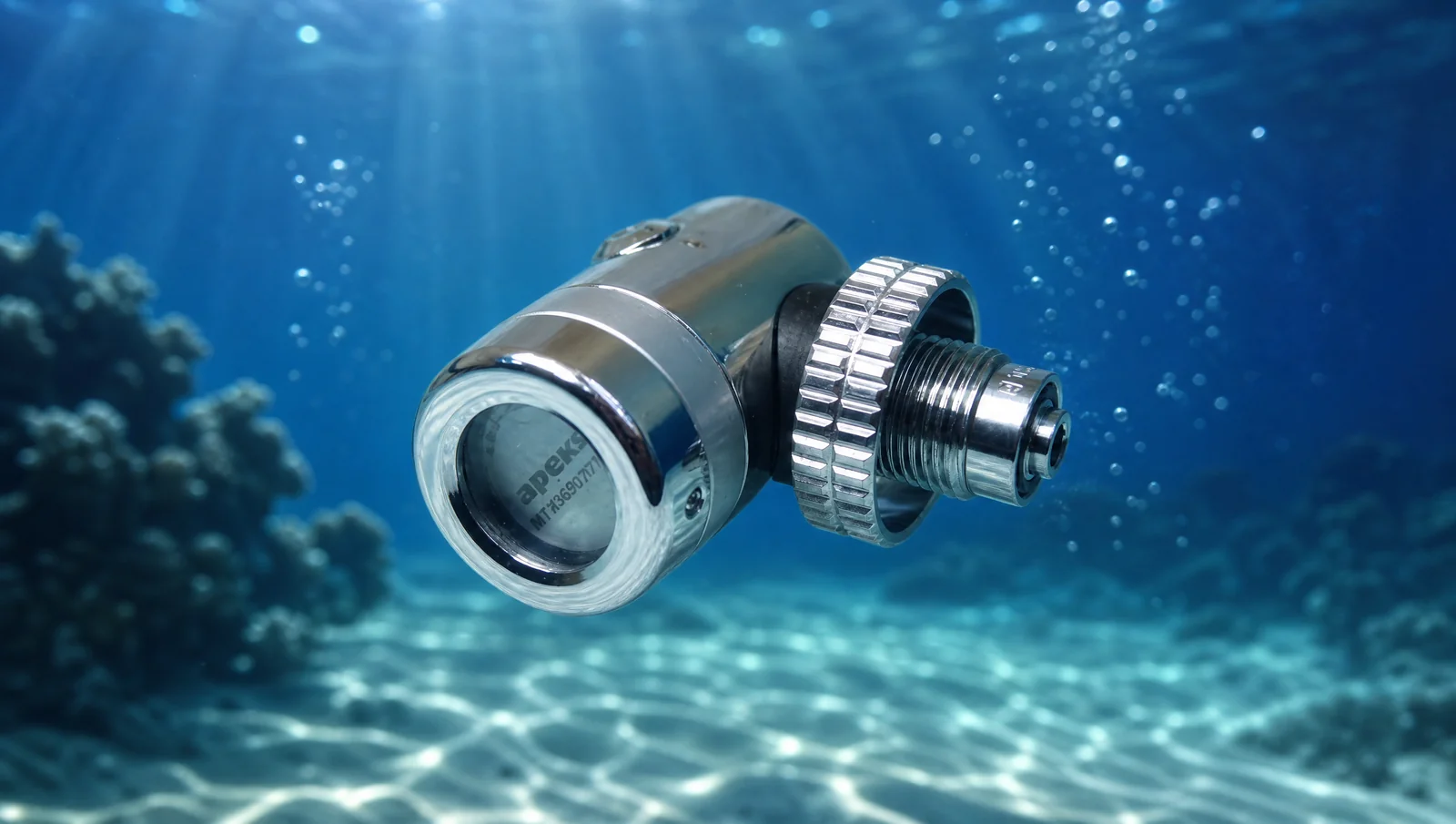
Diaphragm or piston first stages, cold water performance and serviceability.
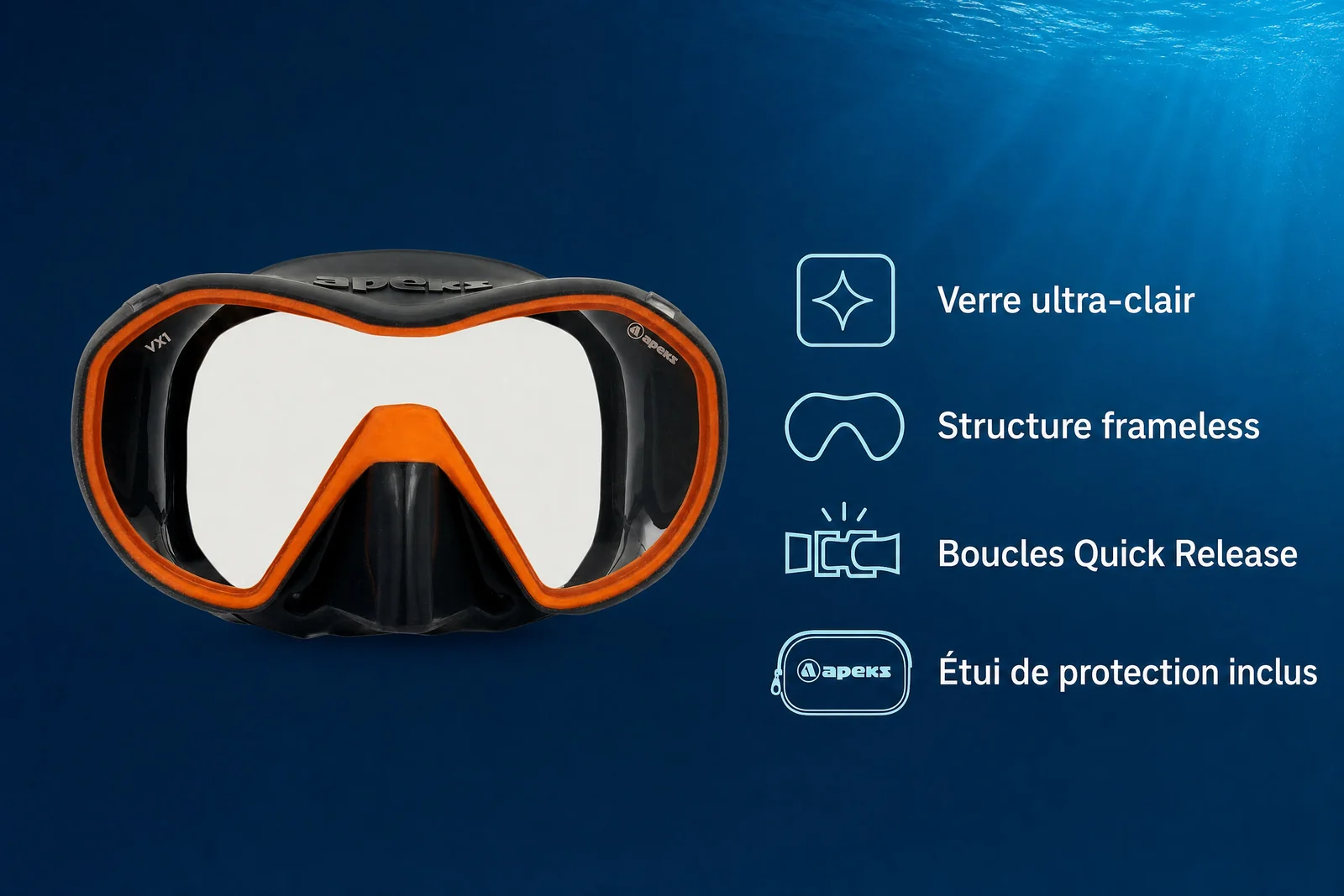
Frameless, single lens, twin lens and silicone skirts for all facial profiles.
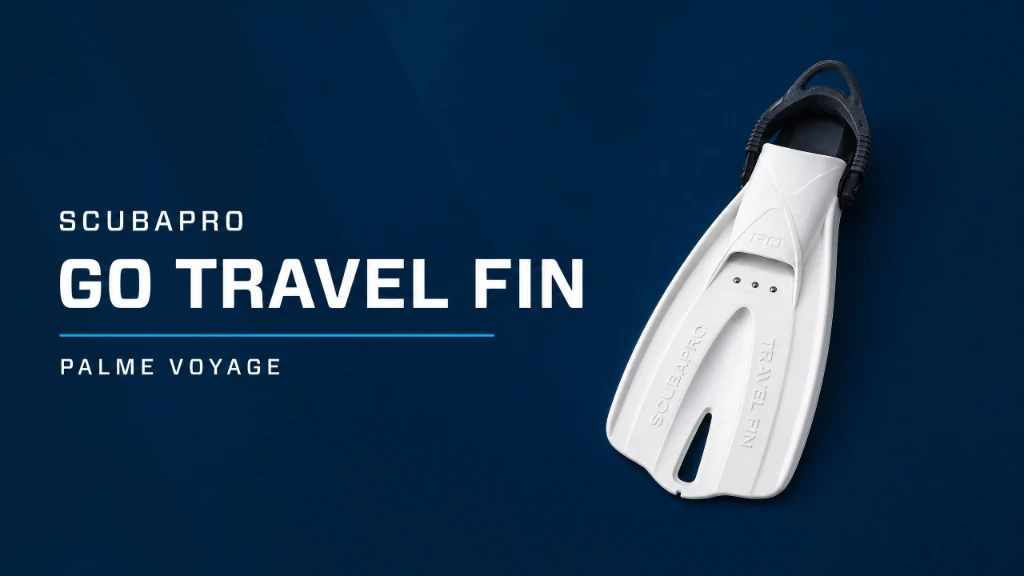
Open-heel fins for frog kicking and lightweight full-foot fins.
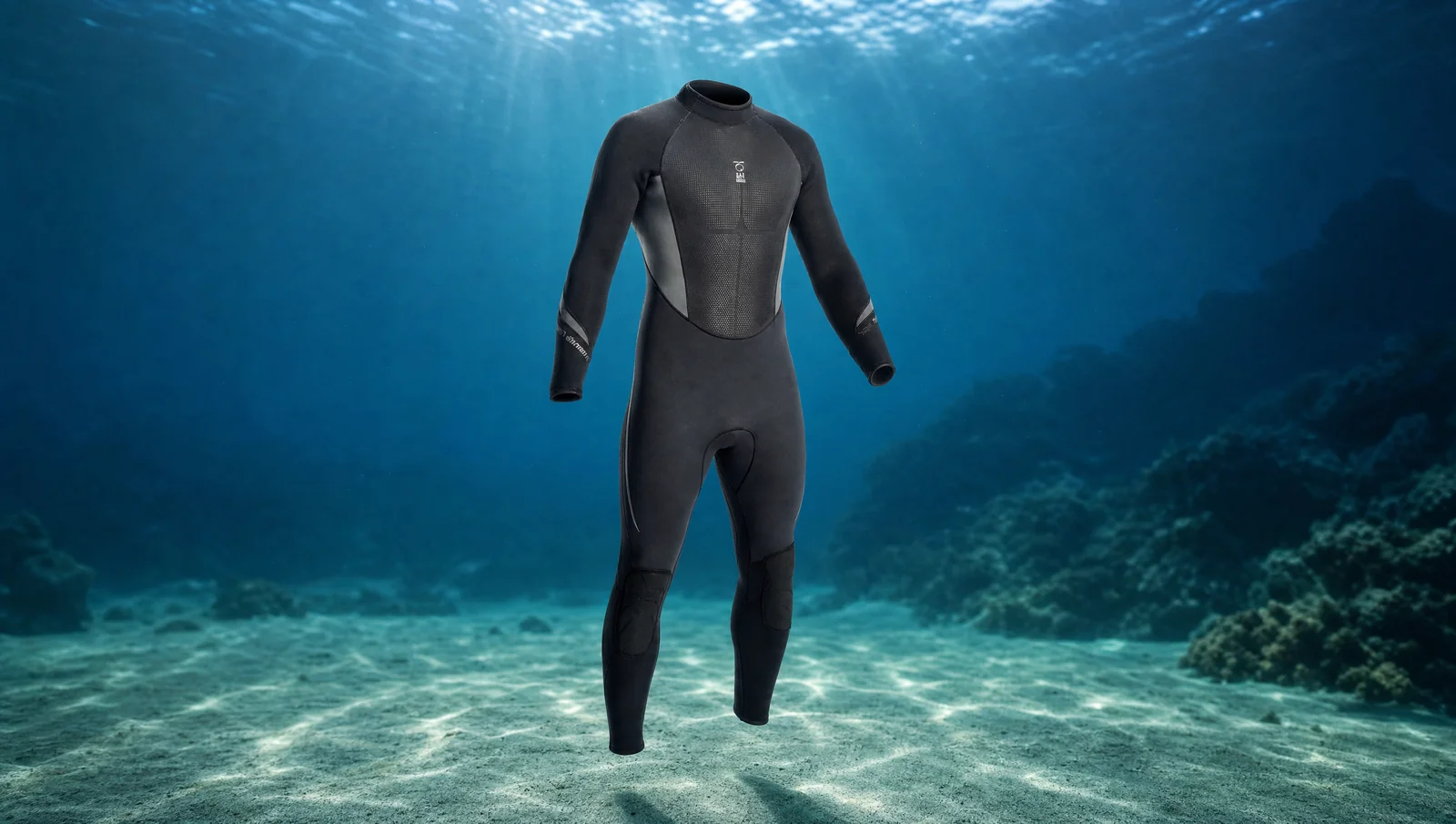
3mm to 7mm wetsuits, semi-dry suits and cold-water drysuits.
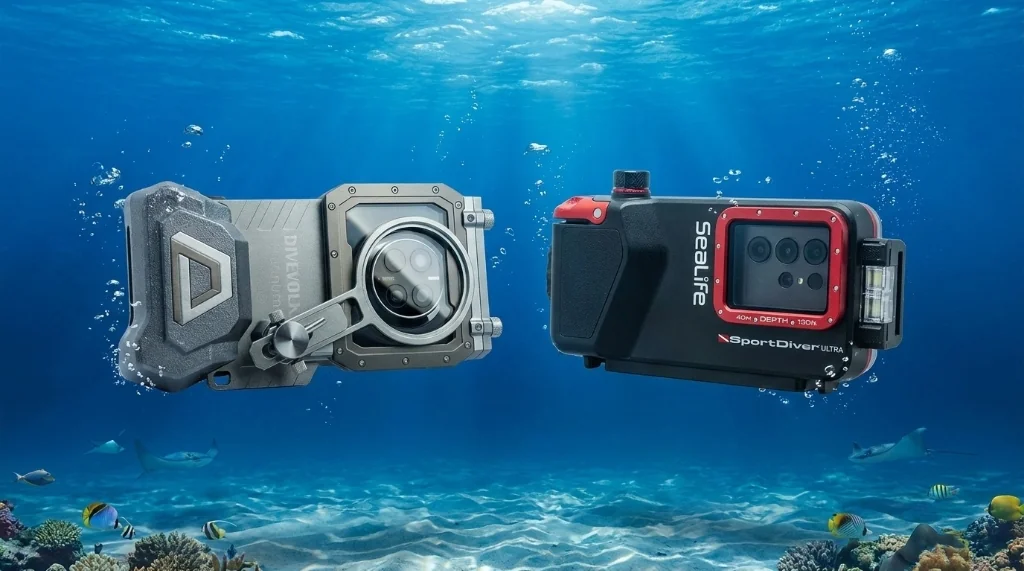
Universal 40m to 60m waterproof smartphone housings with touchscreen.
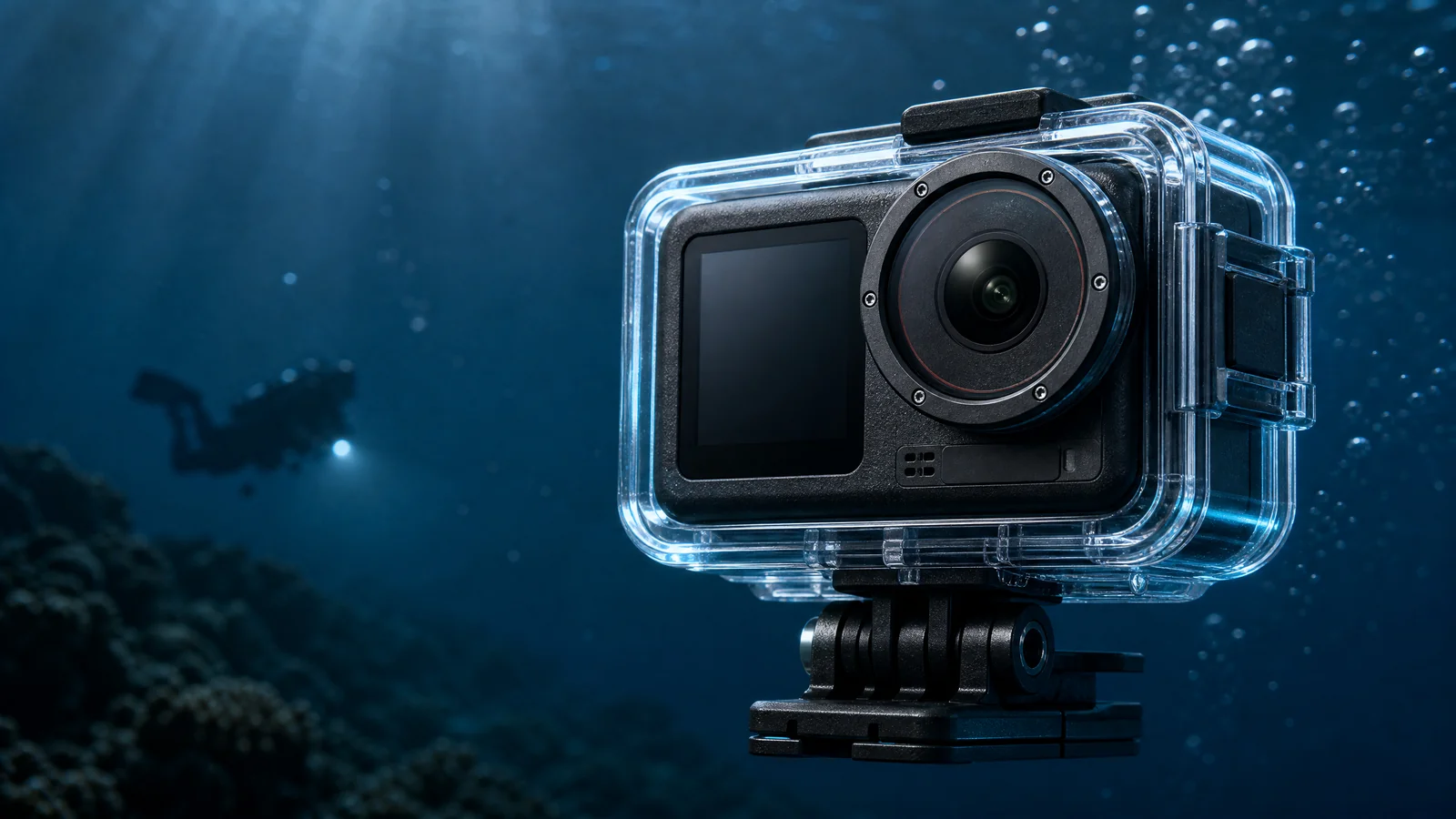
GoPro, DJI Osmo Action and Insta360 tested underwater.
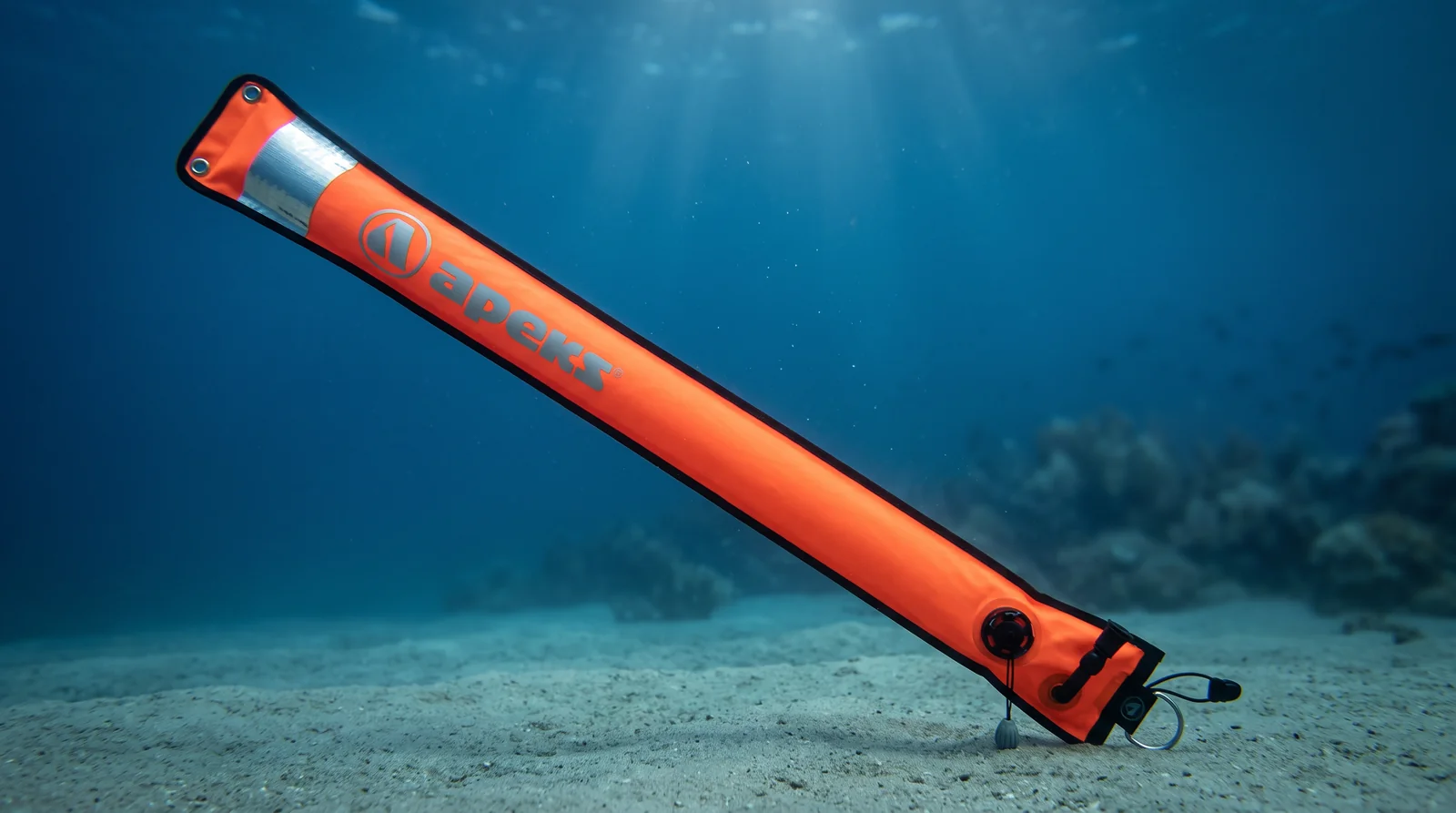
Surface marker buoys with overpressure valves and stainless spools for safety.
Directory of dive stores, shipping reliability and service workshops.
The three most accessed tools by divers to prepare dives and make confident equipment decisions.
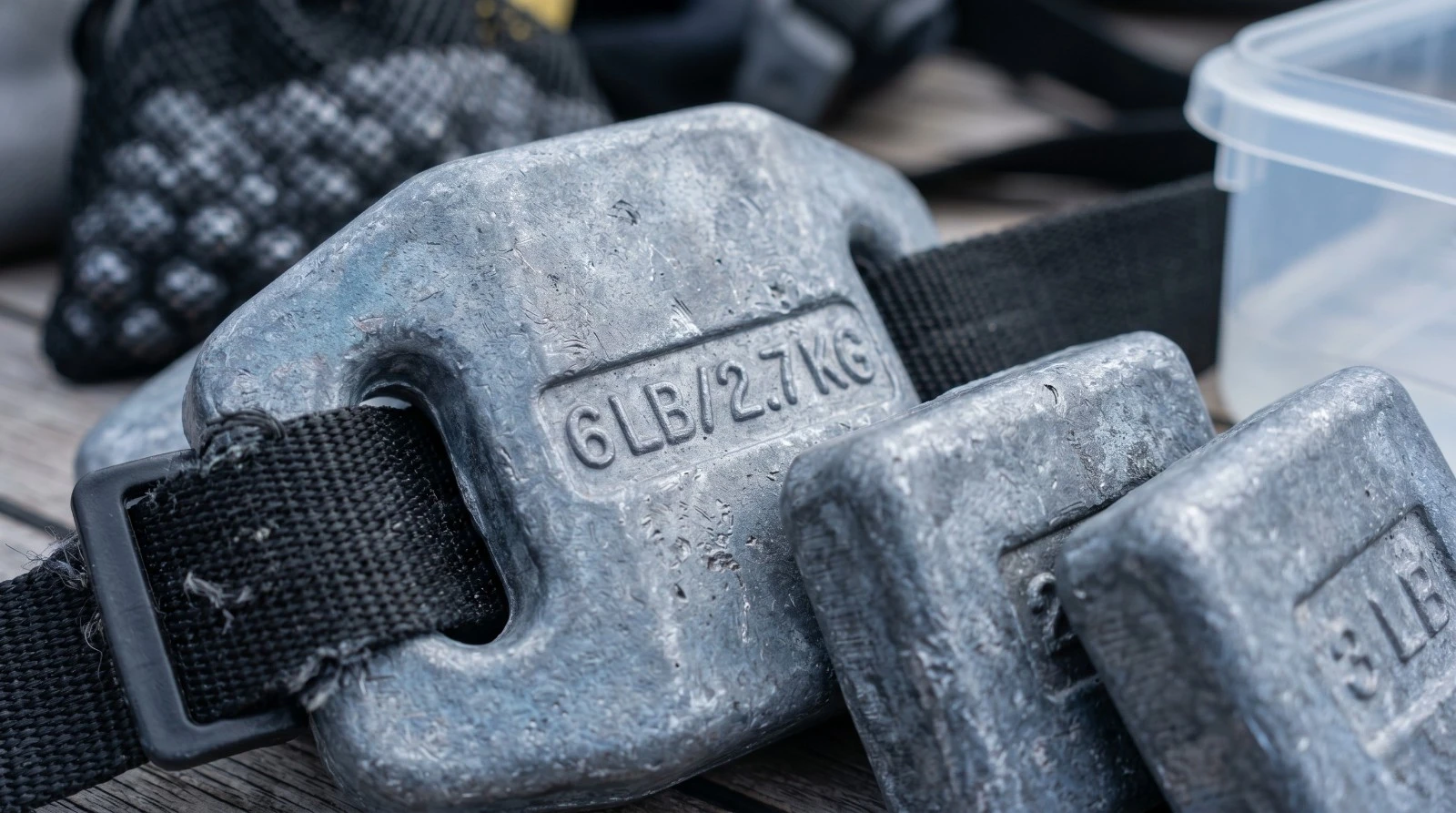
Accurately calculate your required lead weight based on suit thickness, tank type (steel or aluminum) and water salinity.
Compare decompression algorithms (Bühlmann, RGBM), battery endurance, display visibility and wireless air transmitter integration.
Check precise compatibility of your smartphone (iPhone, Samsung, Pixel, Xiaomi) with 60m depth-rated touch dive housings.
Our ratings prioritize diver safety and 5-year mechanical durability, with zero paid brand sponsorships.
Zero paid placement
No manufacturer pays for top positions or alters our scoring formulas.
Field verified
We clearly differentiate "field-tested in seawater" gear from "bench-analyzed" technical specifications.
Proprietary field data
Real cold water runtime at 12°C, display legibility with masks and gloves, touchscreen housing latency.
5-Year revision cost
Genuine service kit availability, certified workshop overhaul rates and long-term part durability.
Gear selections must evolve with genuine field testing, firmware updates and technician service logs.
Top pick for display readability and air integration
Outstanding multisport watch with robust Bühlmann deco
Full touchscreen access down to 60 meters without Bluetooth
Instant drying for travel and modular ergonomic fit
Ranked #1 recreational pick thanks to wireless air integration on high-resolution color screen.
Moved to backup status due to low contrast in murky water compared to modern color displays.
Always start with mask and fins for personal fit and kicking comfort. Next, buy your own dive computer to monitor decompression parameters, then your wetsuit. Regulators and BCDs follow once you log more than 15 dives per year.
A buying guide selects and explains the top picks for specific diver profiles based on field testing. An interactive comparator is a technical filtering database allowing side-by-side comparison on exact specs like weight, runtime, or algorithms.
No manufacturer pays for ranking or rating adjustments. Scoring criteria rely on objective field metrics (underwater readability, 5-year durability, service costs) and proprietary field observations.
Our database is updated weekly with new manufacturer manuals and verified technician reports. You can submit missing models for the next evaluation batch.
Owning the latest regulator or housing won't protect coral reefs if your buoyancy is uneven. To master effortless hovering, respectful marine wildlife encounters and natural light imaging without disturbing marine life, explore the AquaExposure training program. Feeling overwhelmed by all the technical gear specs ? You don't need any camera gear to start. We guide each diver individually, and an everyday action cam (GoPro, DJI Osmo, Insta360) or smartphone is more than enough to capture stunning memories.
Once a month, strictly to prevent inbox overload and deliver only essential field-tested gear reviews. Zero spam.