Independent Database • 68 Tested Models
Scuba Diving BCD Comparator
Compare 68 scuba BCDs by actual lift capacity, bladder type (jacket, back-inflate, wing), travel weight, and integrated ballast management.
Direct Answer • Key Takeaway
Choosing a scuba BCD depends on your diving style and water environment. For beginners, a jacket-style BCD offers reassuring upright stability at the surface. For travel and underwater photography, a back-inflate BCD or wing frees your chest for streamlined horizontal trim. Plan for 12 to 15 kg of lift in warm waters, and 18 to 22 kg with heavy steel cylinders or drysuits.
Public Tier 1 • Free Instant Access
Express BCD Quick Selector
Answer 3 practical questions to instantly find the ideal BCD configuration for your dives among 68 evaluated models.
Profile: Beginner & Recreational Progress
Focus on a comfortable jacket-style BCD with weight-integrated pockets for reassuring surface stability.
Top 3 Recommended Models for Your Profile:
From 68 analyzed models#1
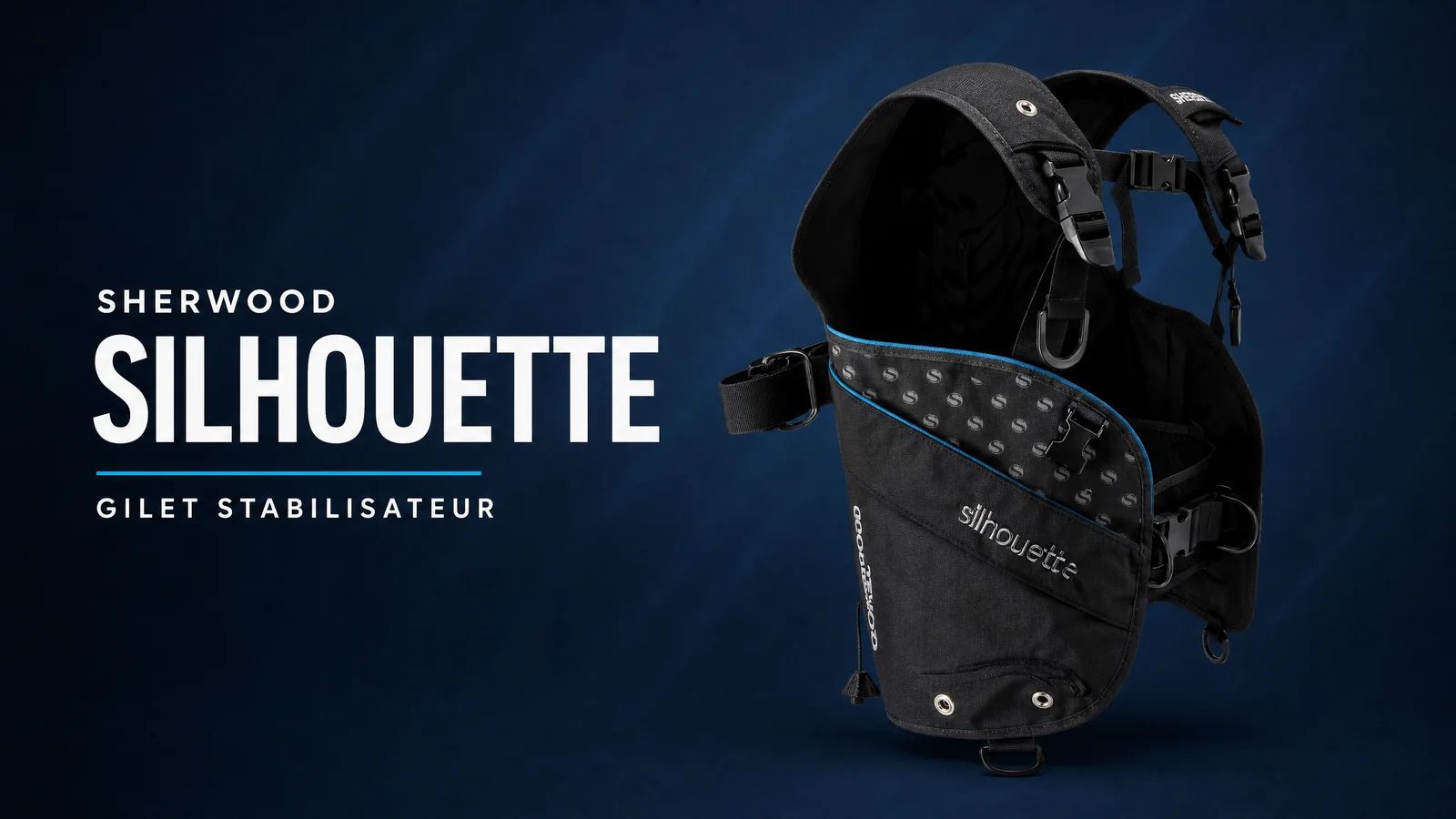
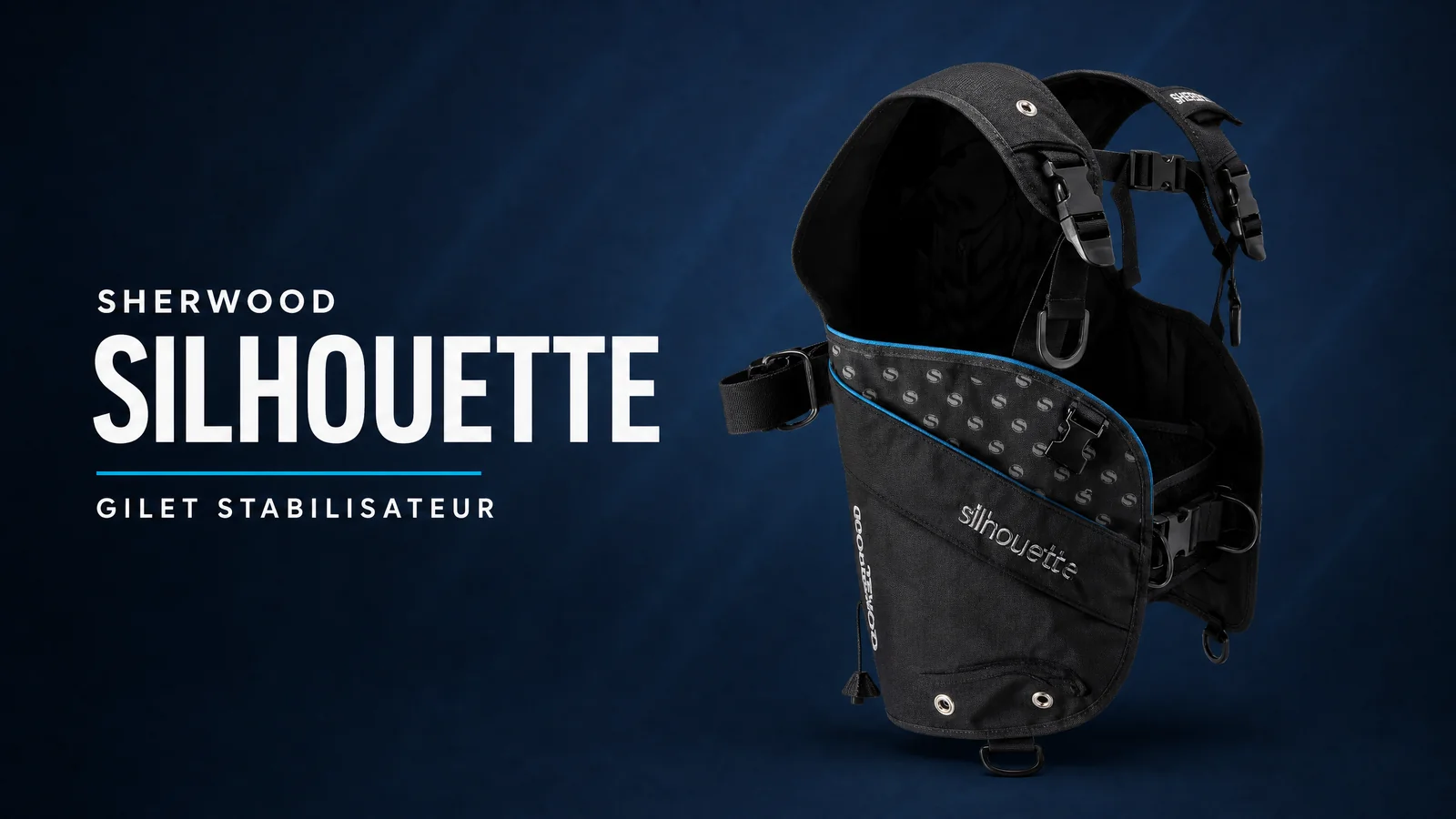
Sherwood
Silhouette
Jacket femme
3.47
/ 5
Lift14.5 kg (32 lbs)
Dry weight2.5 kg
Fabric420D nylon
Est. price449 - 549 €
Coupe anatomique femme
#2
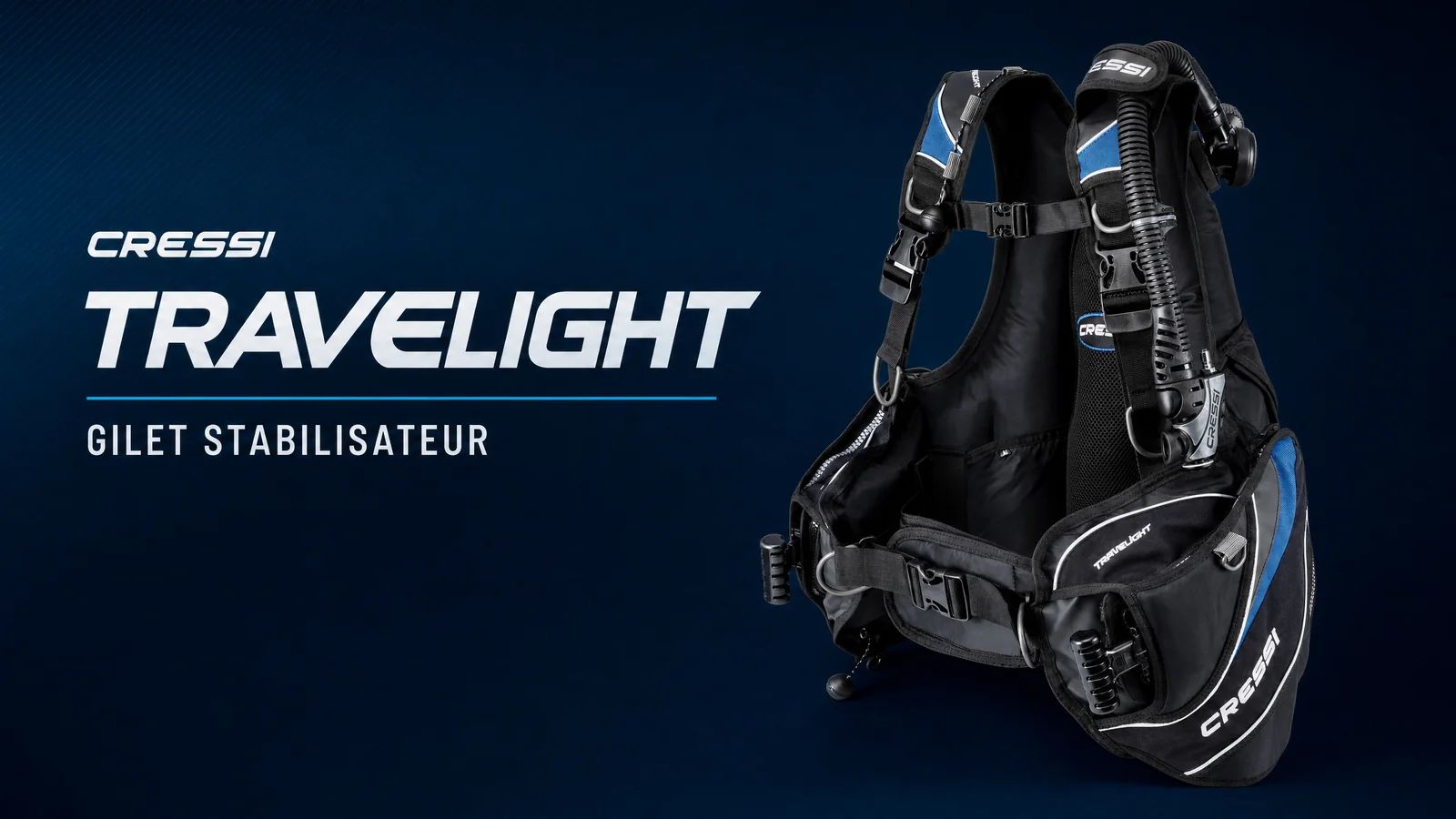
Cressi
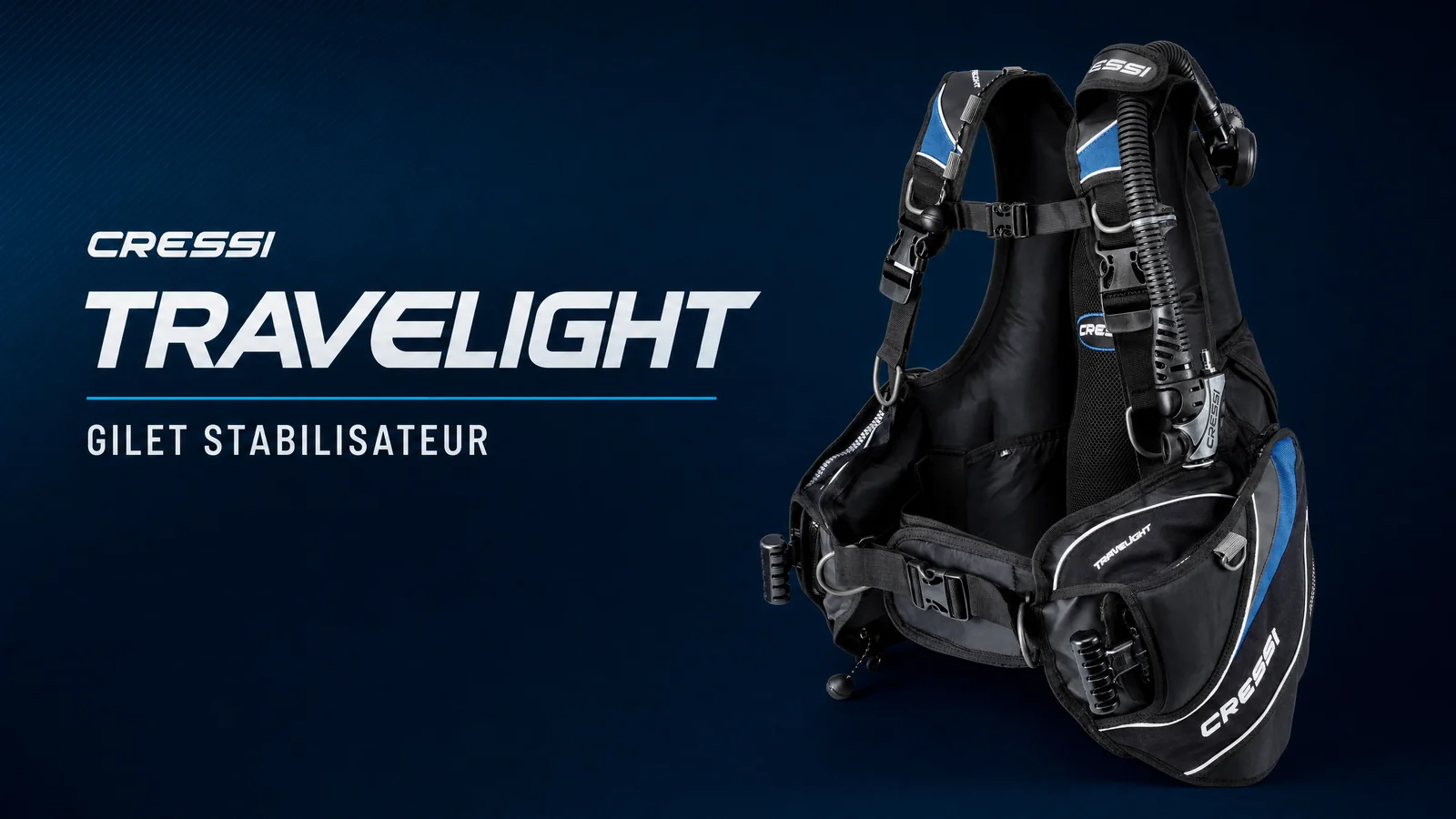
Travelight
Jacket voyage ultra-léger
3.33
/ 5
Lift15 kg (33 lbs)
Dry weight1.9 kg
Fabric420D + 210D nylon
Est. price249 - 329 €
Poids record 1.9 kg
#3
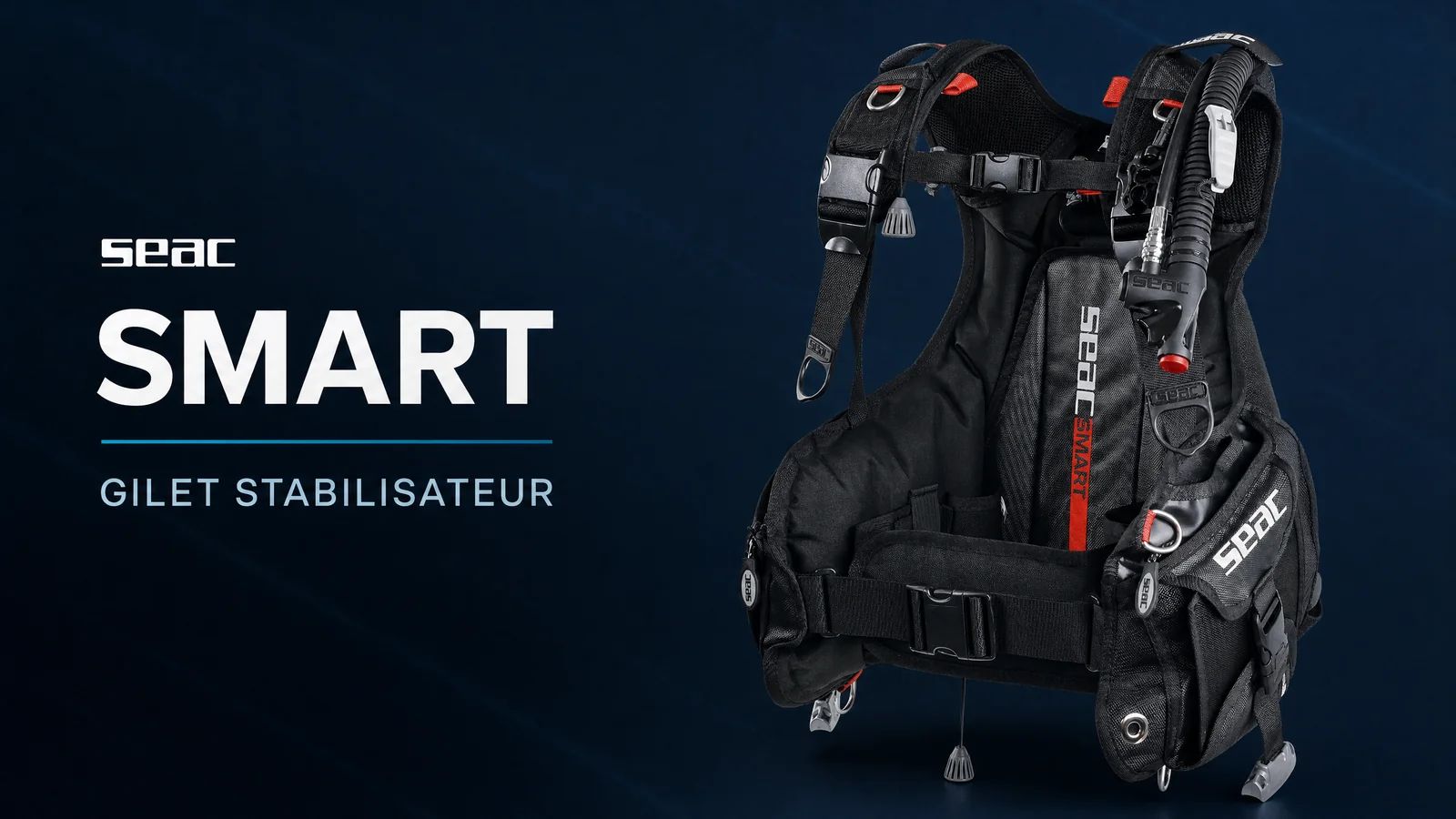
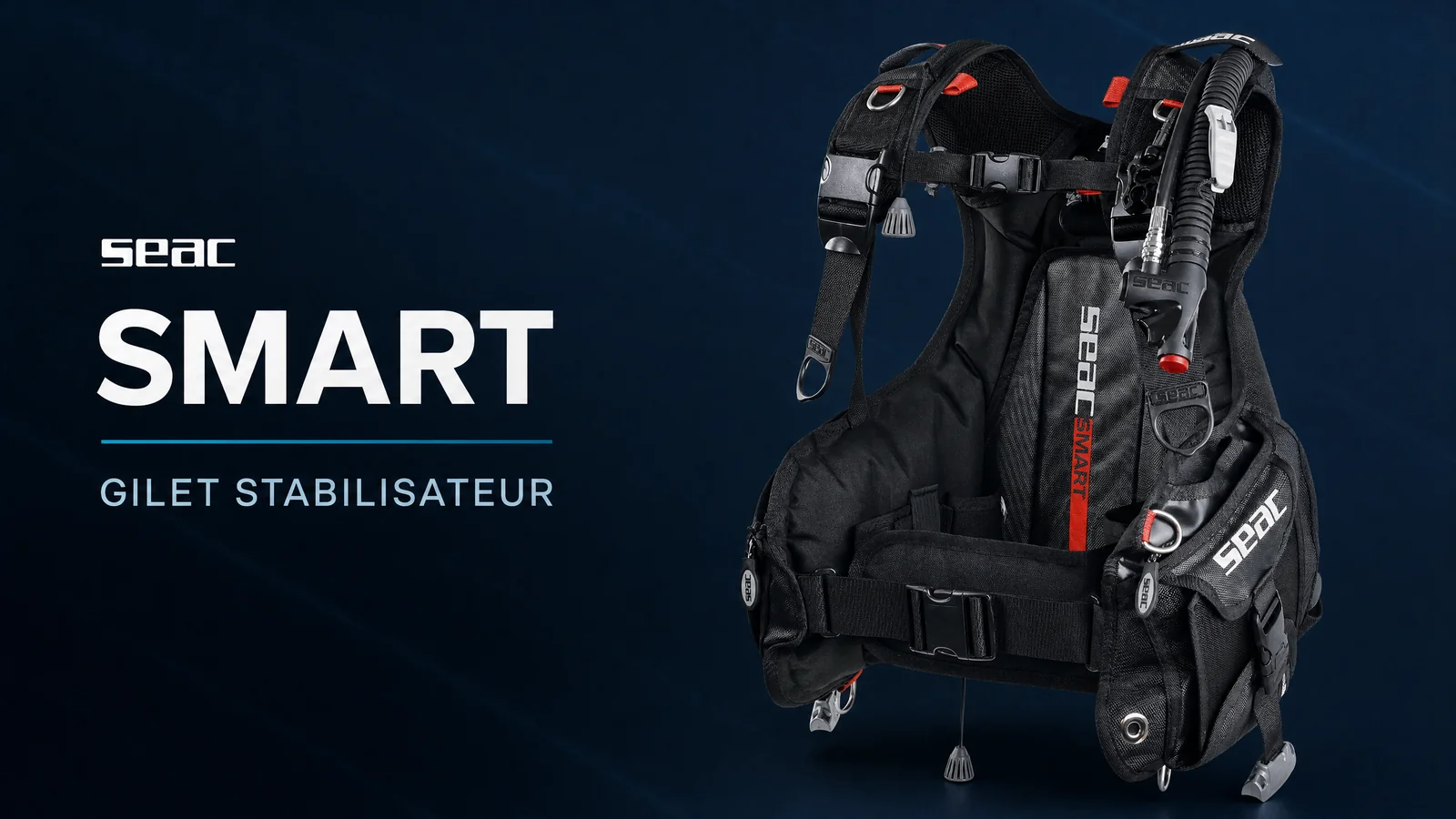
Seac
Smart
Jacket enveloppant
3.02
/ 5
Lift15 kg (33 lbs)
Dry weight2.7 kg
Fabric420D nylon
Est. price279 - 379 €
Prix accessible
Want to compare all 68 BCDs in detail or simulate your actual buoyancy balance?Unlock the full technical matrix and the physical Lift vs Ballast simulator below with your free account.
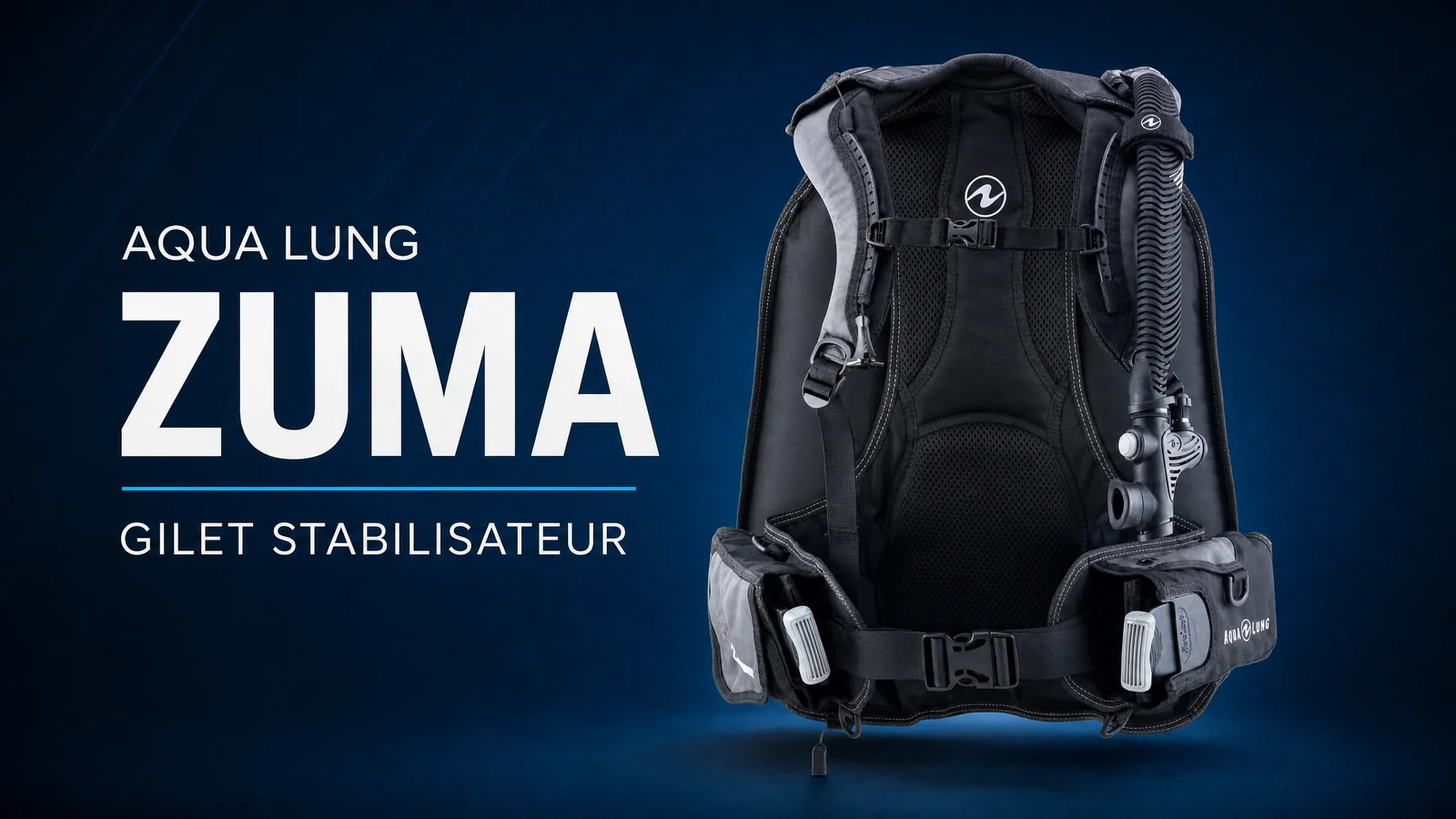
Technical Directory of the 68 Referenced Scuba BCDs
Manufacturer specifications audited under the AquaExposure G1-G6 protocol.
| Model | Brand | Type | Lift | Weight | Fabric | Est. Price | Score |
|---|---|---|---|---|---|---|---|
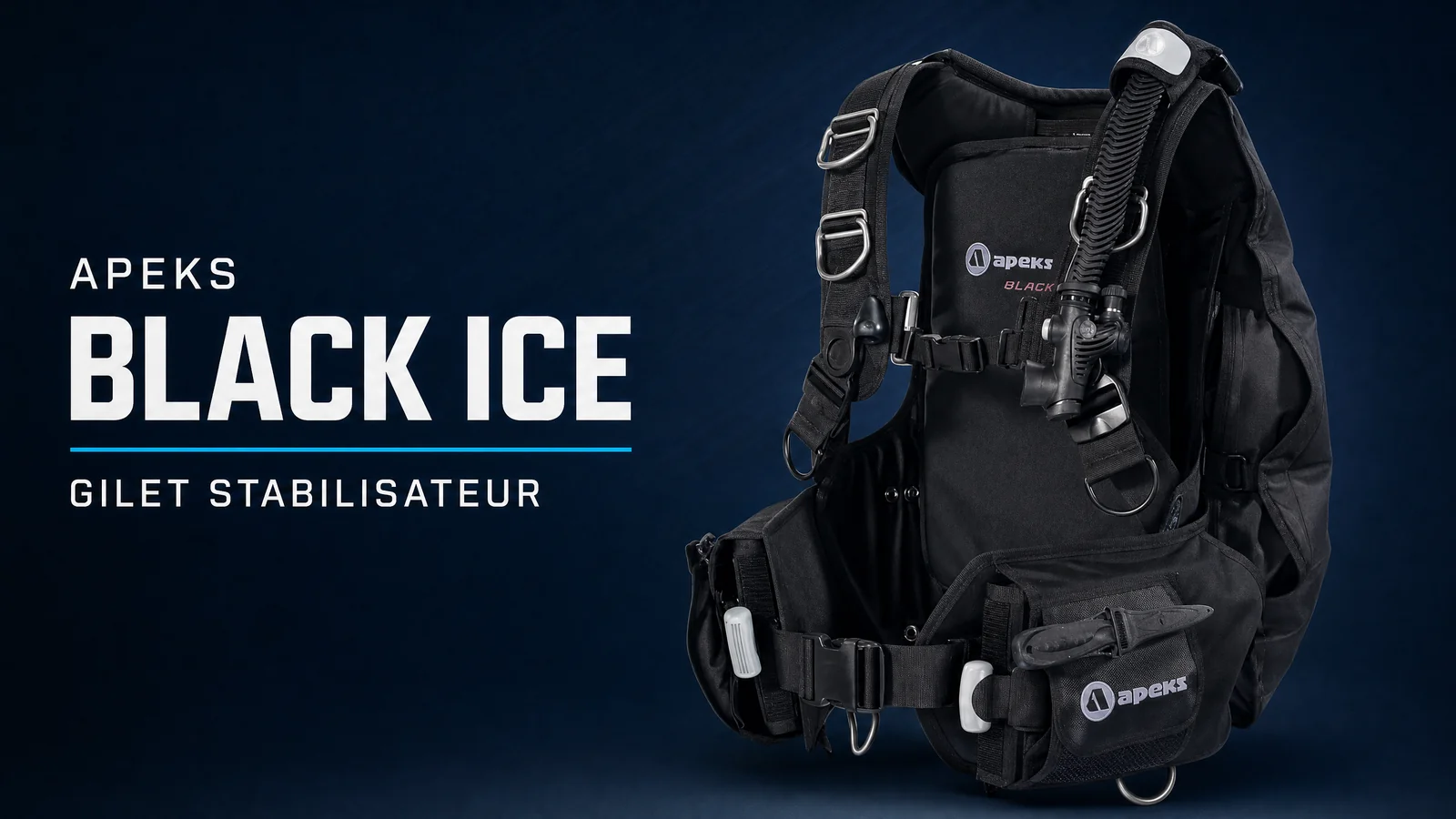
| Black Ice | Apeks | Back-inflate robuste | 19 kg | 3.1 kg | 1000D Cordura | 549 - 699 € | 4.1 / 5 |
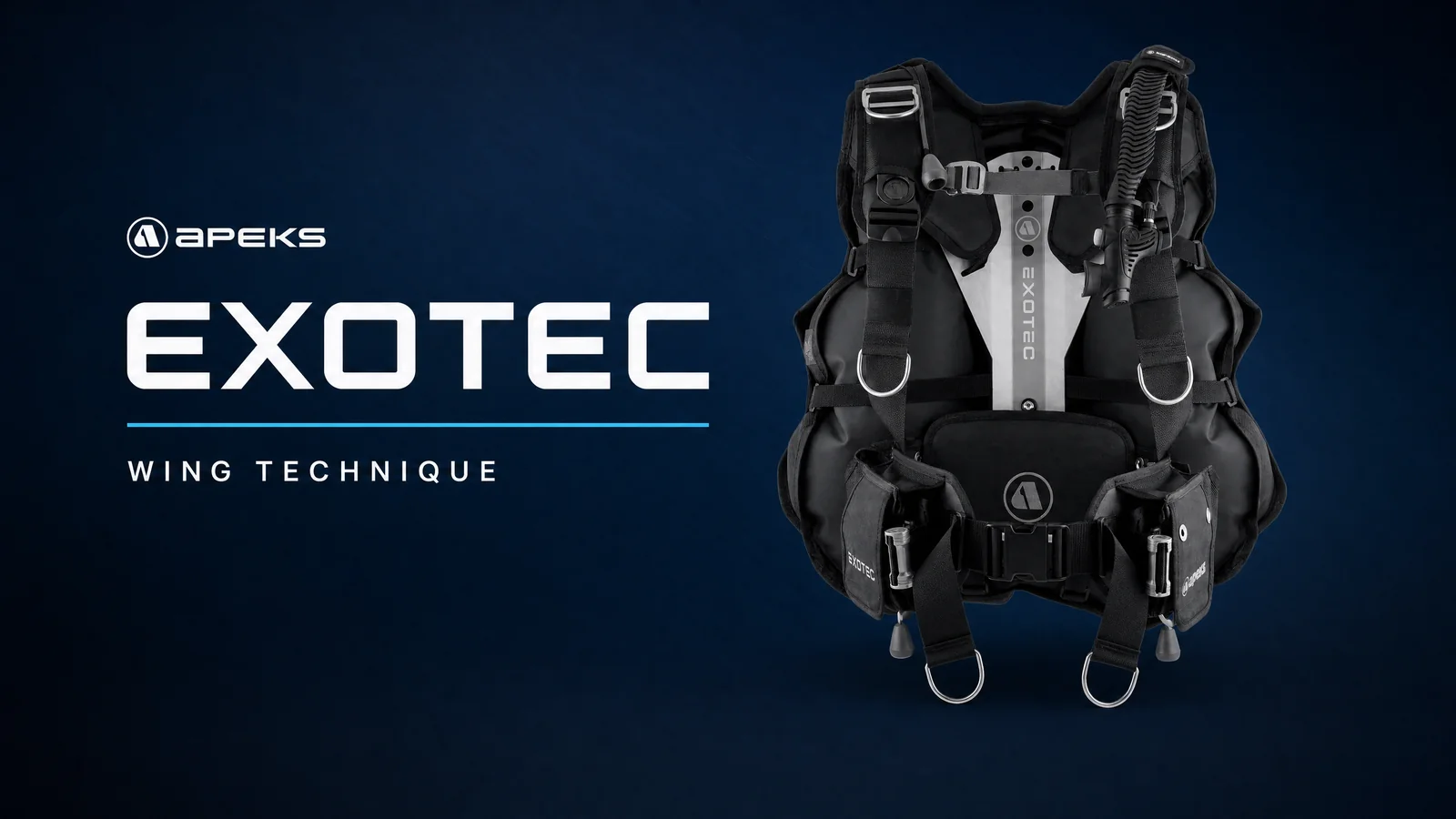
| Exotec | Apeks | Back-inflate premium | 20.4 kg | 2.2 kg | Armourguard slick skin (PSD Technology) | 749 - 899 € | 4.07 / 5 |
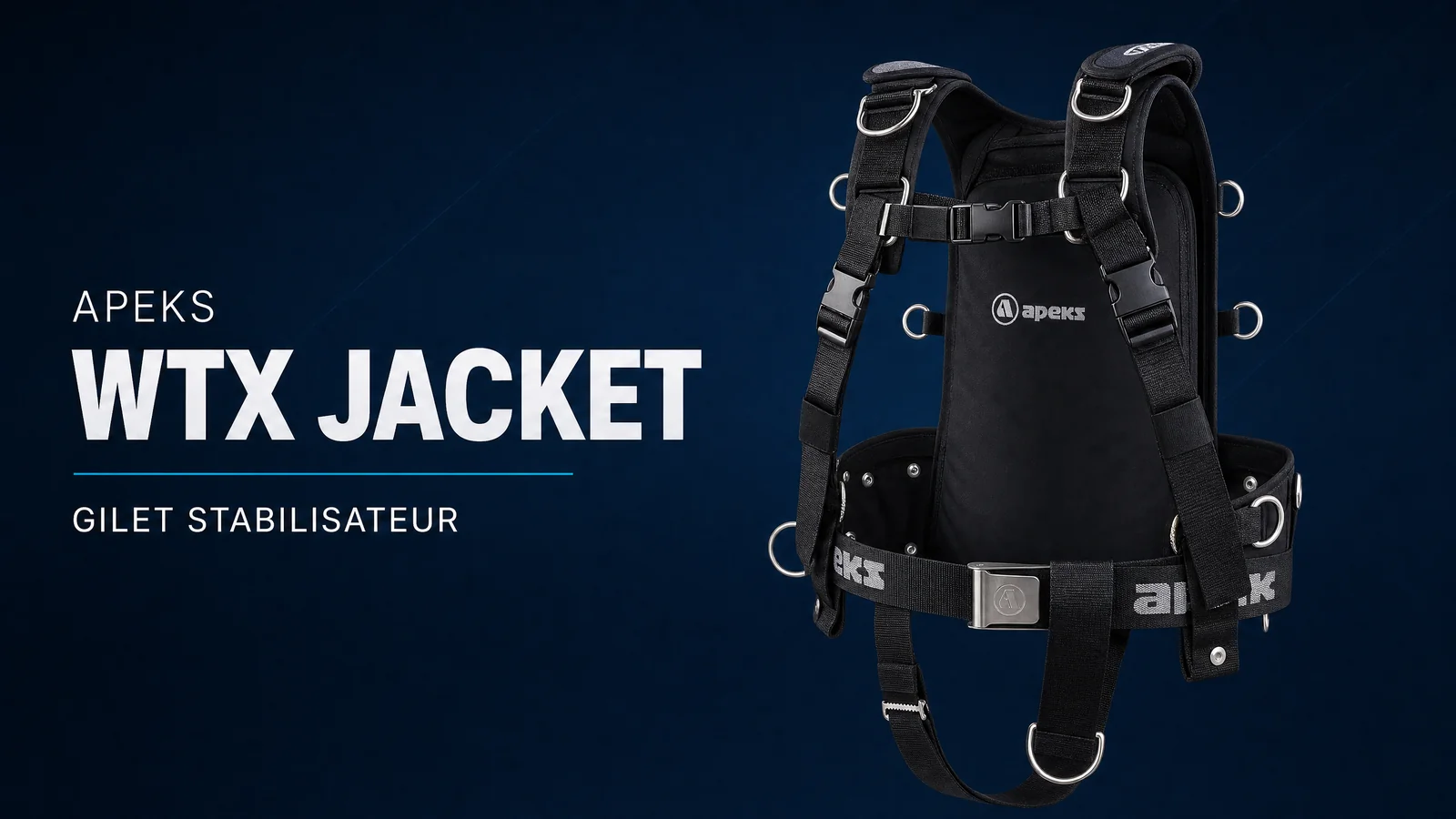
| WTX Jacket | Apeks | Jacket technique loisir | 18 kg | 2.9 kg | 1000D Cordura | 599 - 749 € | 4.02 / 5 |
| WTX Sidemount | Apeks | Sidemount | 14 kg | 2.8 kg | Nylon haute résistance | 649 - 799 € | 4.3 / 5 |
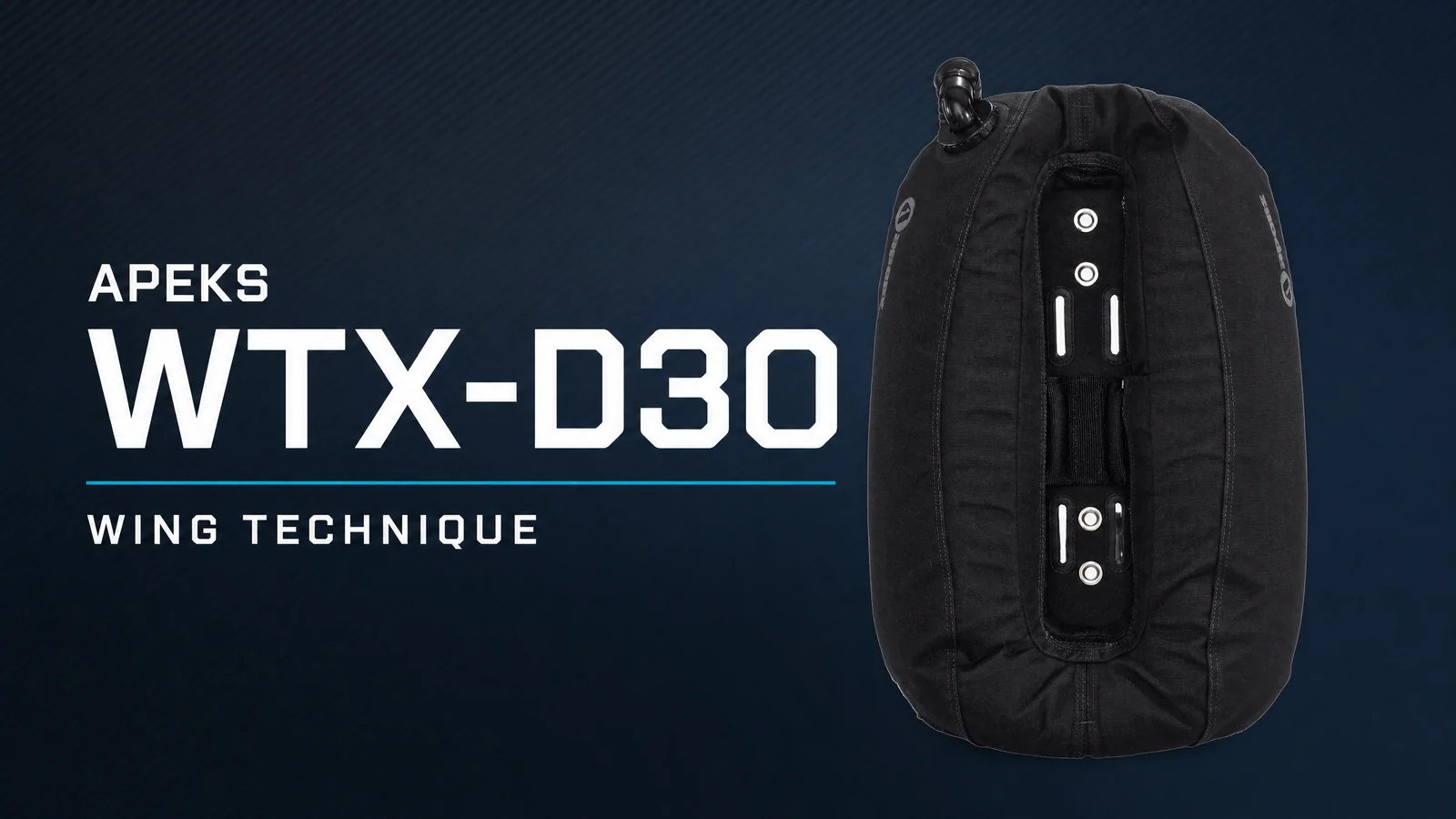
| WTX-D30 | Apeks | Backplate + Wing (donut) | 13.6 kg | 3 kg | Nylon haute résistance + renforts | 549 - 699 € | 3.92 / 5 |
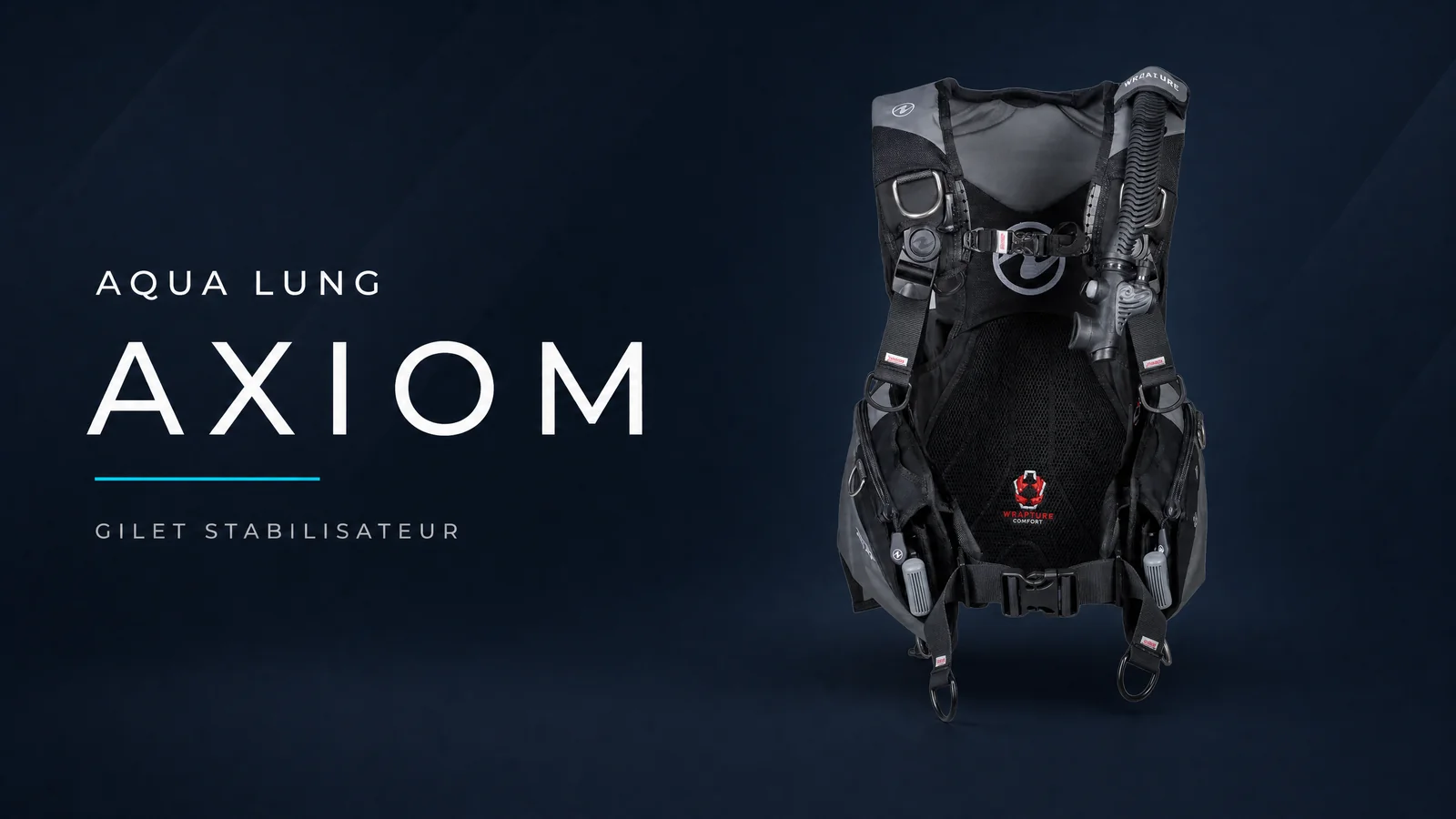
| Axiom | Aqualung | Jacket enveloppant premium | 18 kg | 2.6 kg | Nylon haute résistance | 549 - 649 € | 3.87 / 5 |
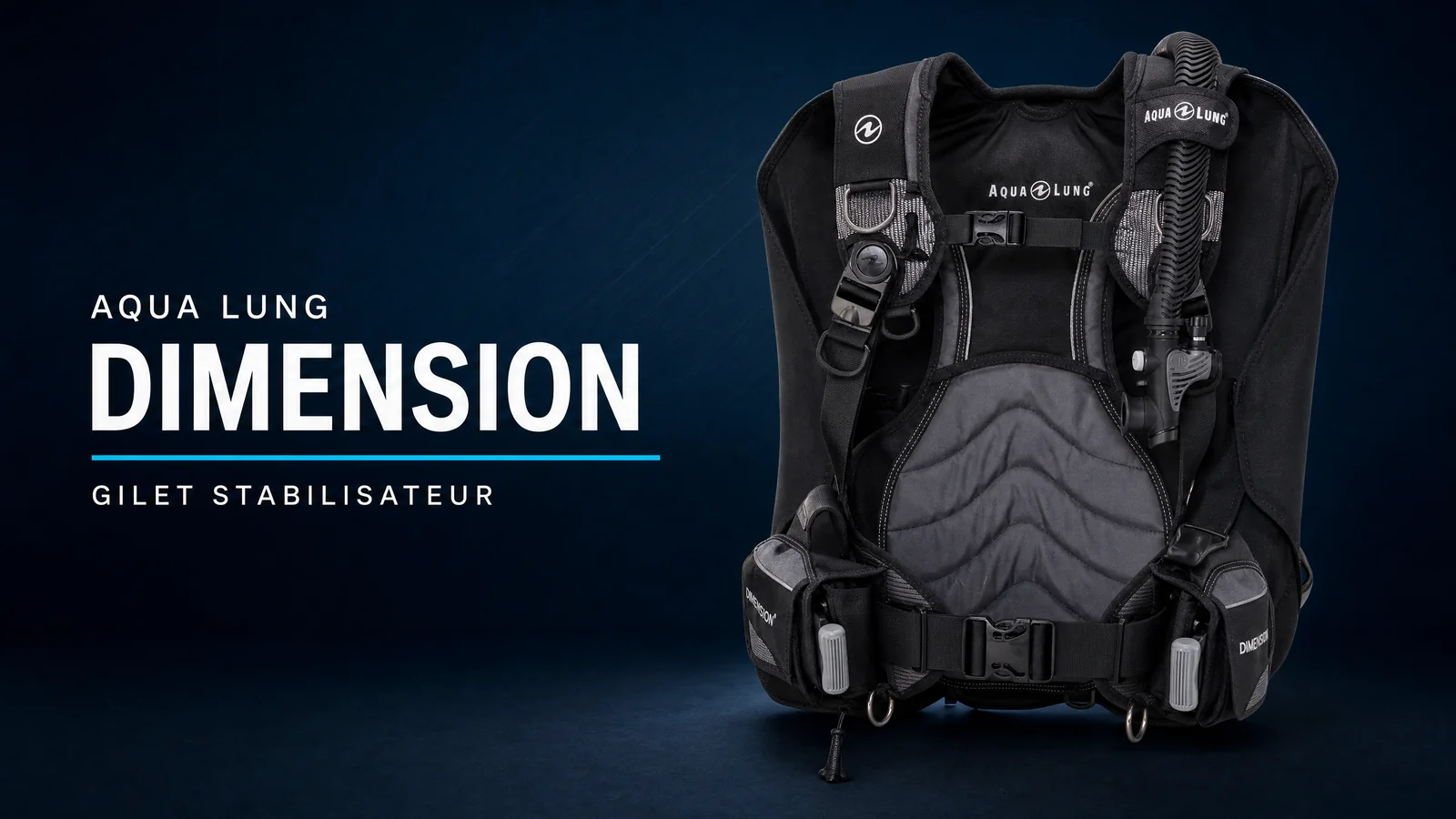
| Dimension | Aqualung | Back-inflate loisir avancé | 18 kg | 2.5 kg | Nylon haute résistance | 449 - 549 € | 3.88 / 5 |
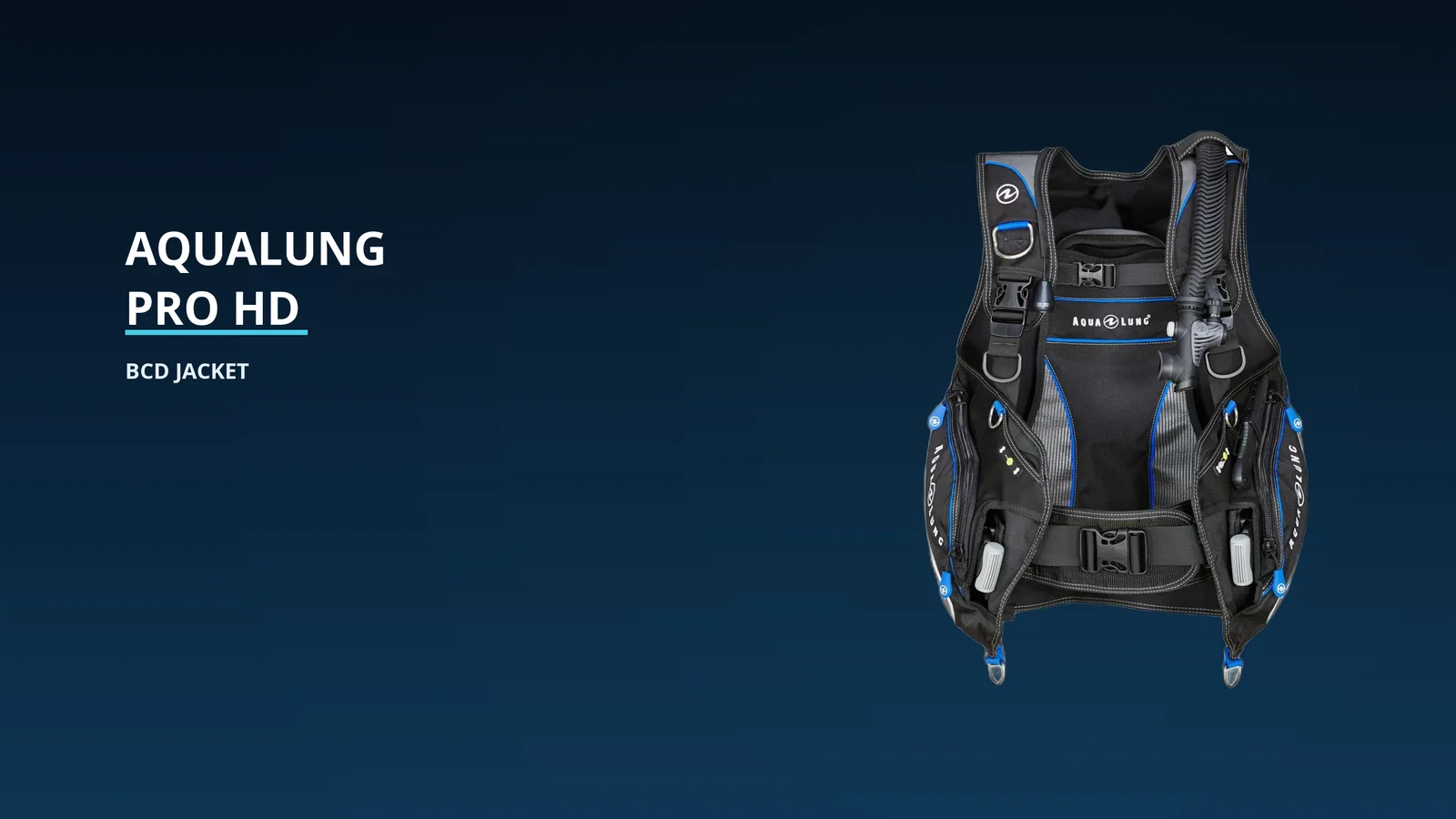
| Pro HD | Aqualung | Jacket enveloppant | 18 kg | 2.2 kg | ResisteK (haute résistance sel/chlore/abrasion) | 399 - 499 € | 3.8 / 5 |
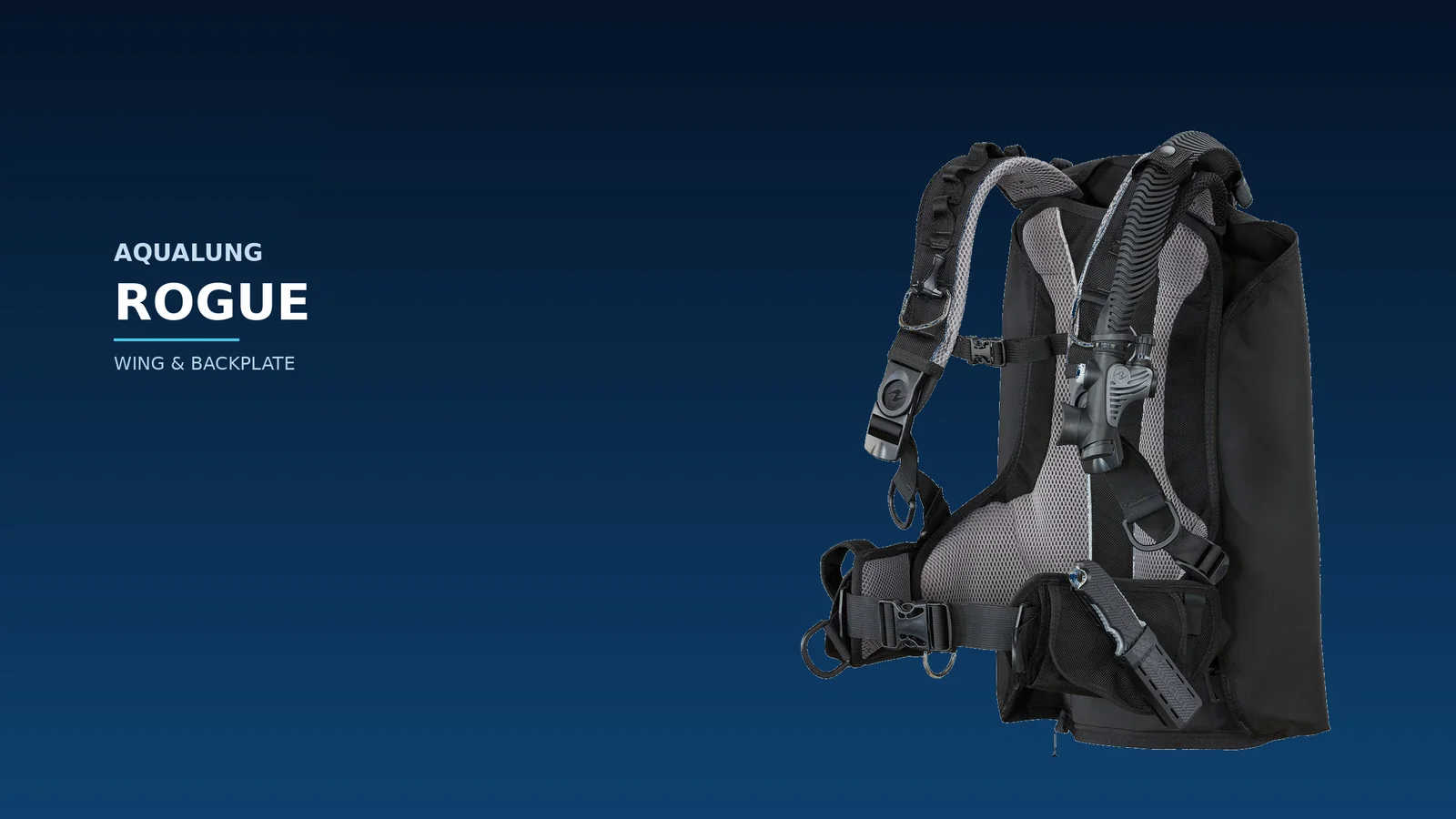
| Rogue | Aqualung | Backplate + Wing modulaire | 15.9 kg | 2.27 kg | Nylon haute résistance | 549 - 649 € | 4.1 / 5 |
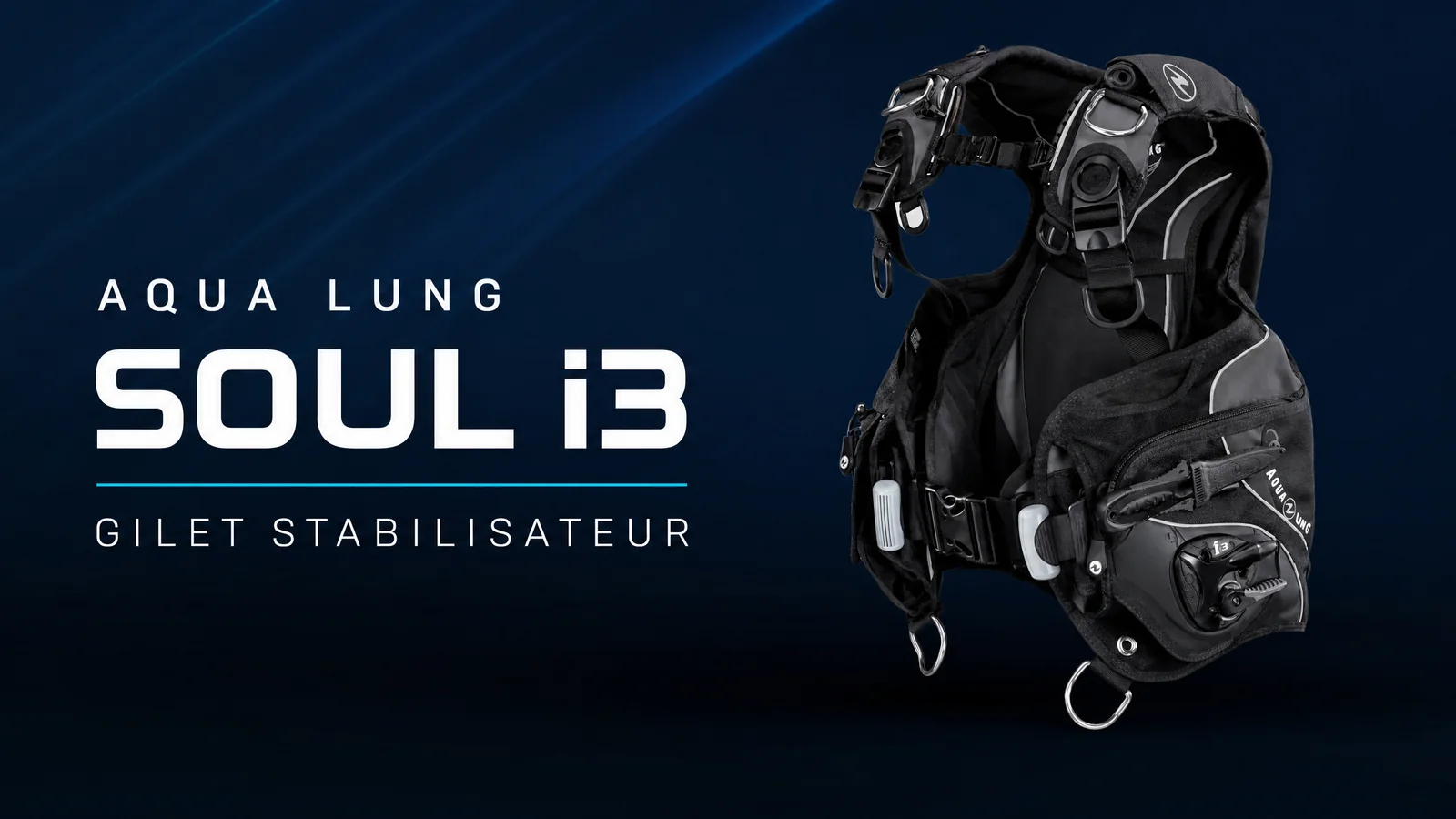
| Soul i3 (femme) | Aqualung | Jacket enveloppant (coupe femme) | 16 kg | 2.4 kg | 420D nylon | 449 - 549 € | 3.77 / 5 |
| Zuma | Aqualung | Back-inflate voyage ultra-léger | 13.6 kg | 2 kg | 600D nylon | 299 - 399 € | 2.77 / 5 |
| BC2 | Atomic Aquatics | Back-inflate ultra-premium | 18 kg | 3.2 kg | Double-laminated polyurethane coated (propriétaire) | 1299 - 1599 € | 4.02 / 5 |
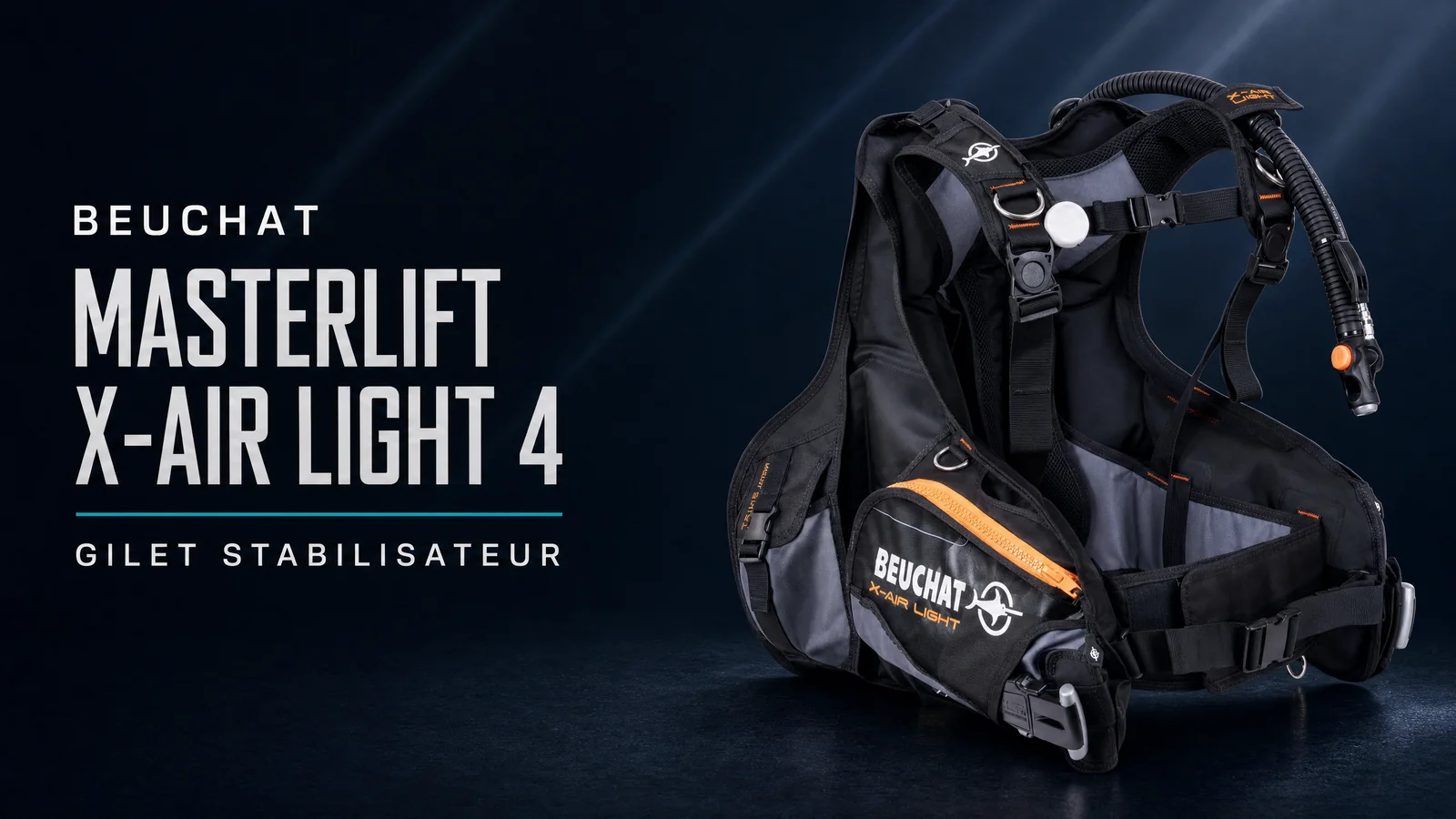
| Masterlift X-Air Light 4 | Beuchat | Jacket enveloppant | 16 kg | 2.4 kg | Nylon léger renforcé | 419 - 519 € | 3.67 / 5 |
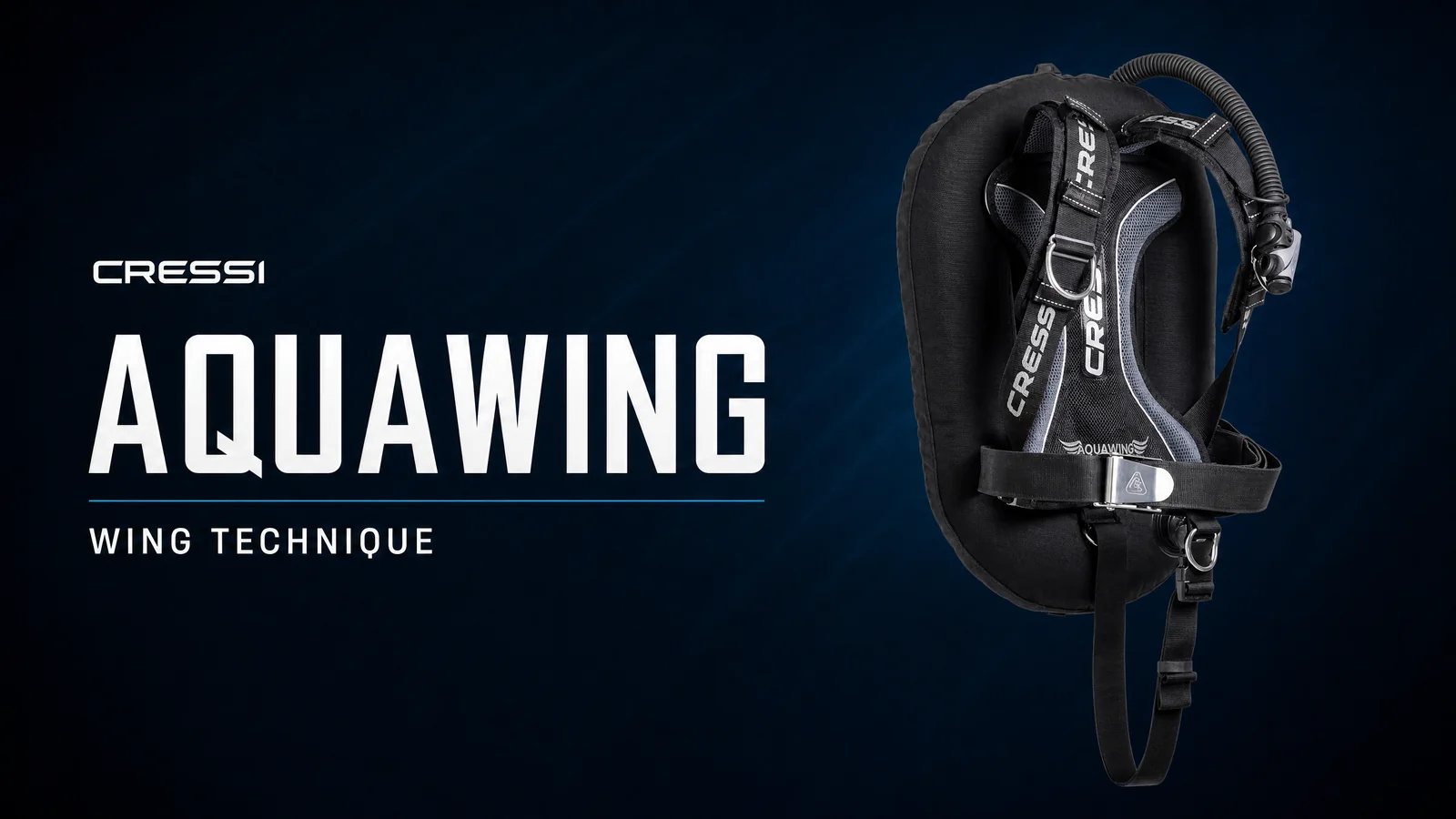
| Aquawing | Cressi | Backplate + Wing (hybride loisir) | 14 kg | 2.6 kg | Nylon + backplate alu léger | 349 - 449 € | 3.65 / 5 |
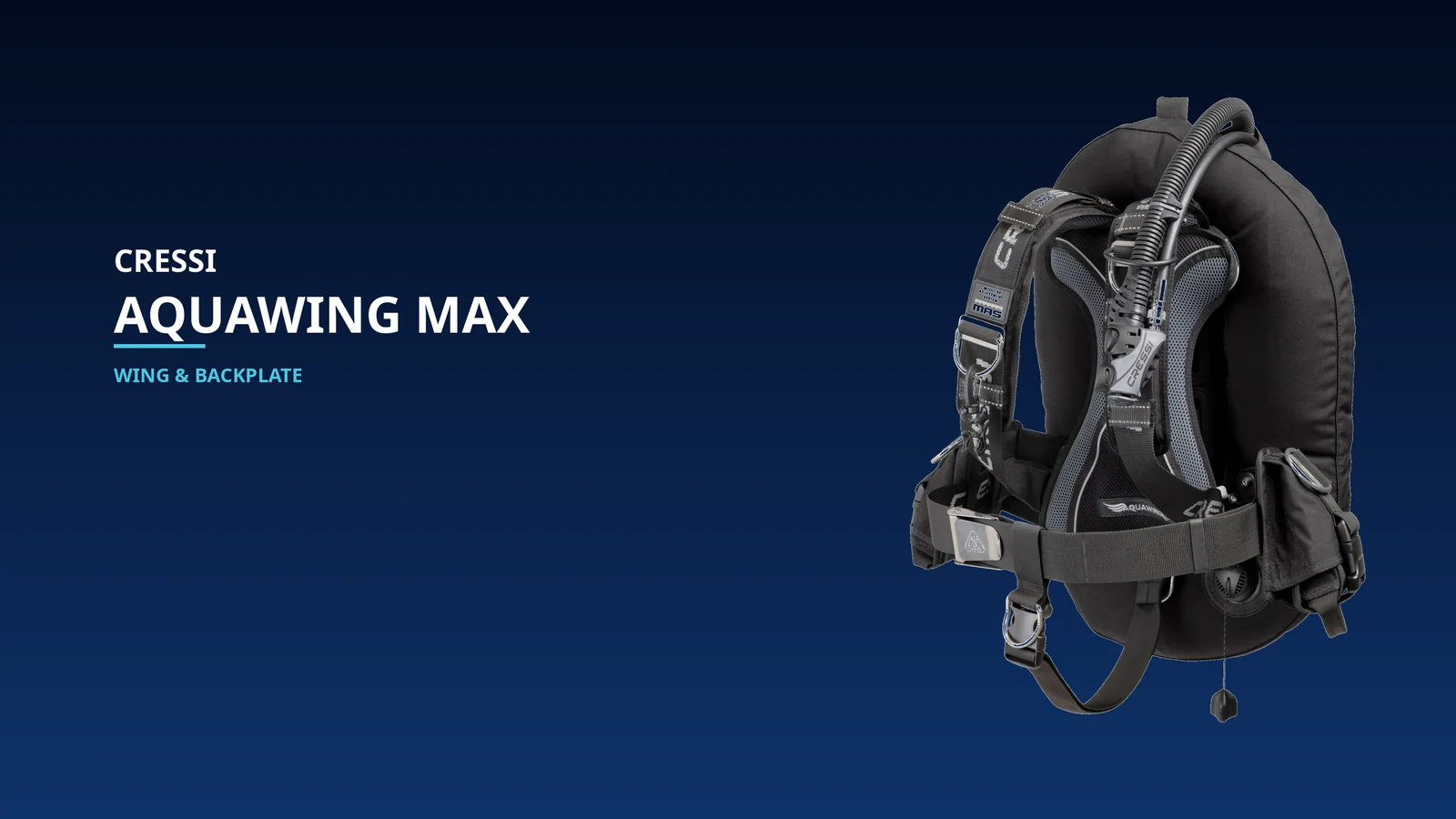
| Aquawing Max | Cressi | Backplate + Wing donut (loisir avancé) | 17 kg | 4 kg | Air-Net + alu backplate | 449 - 549 € | 4.08 / 5 |
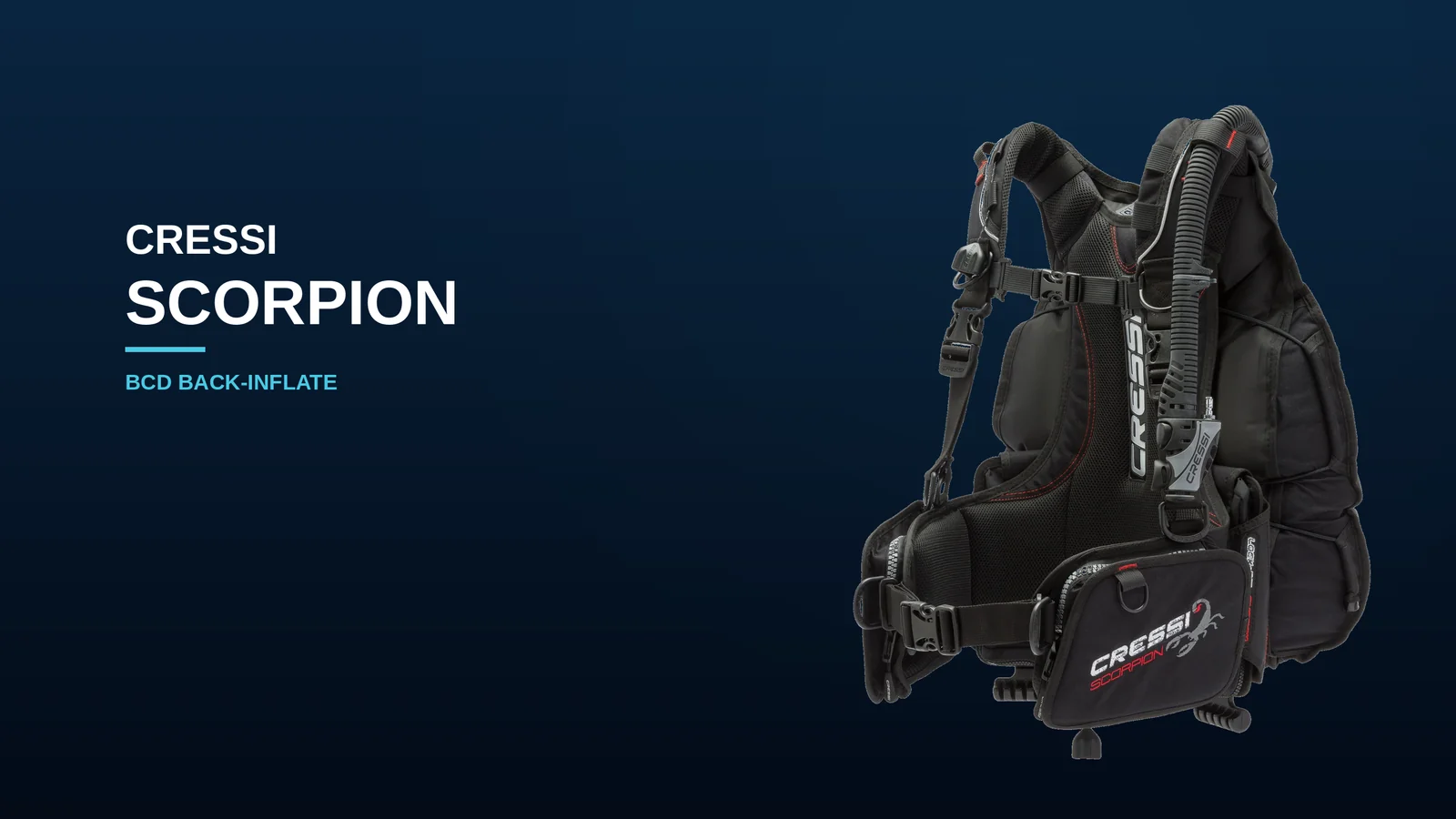
| Scorpion | Cressi | Back-inflate loisir | 15.2 kg | 2.45 kg | 420D nylon | 299 - 399 € | 3.43 / 5 |
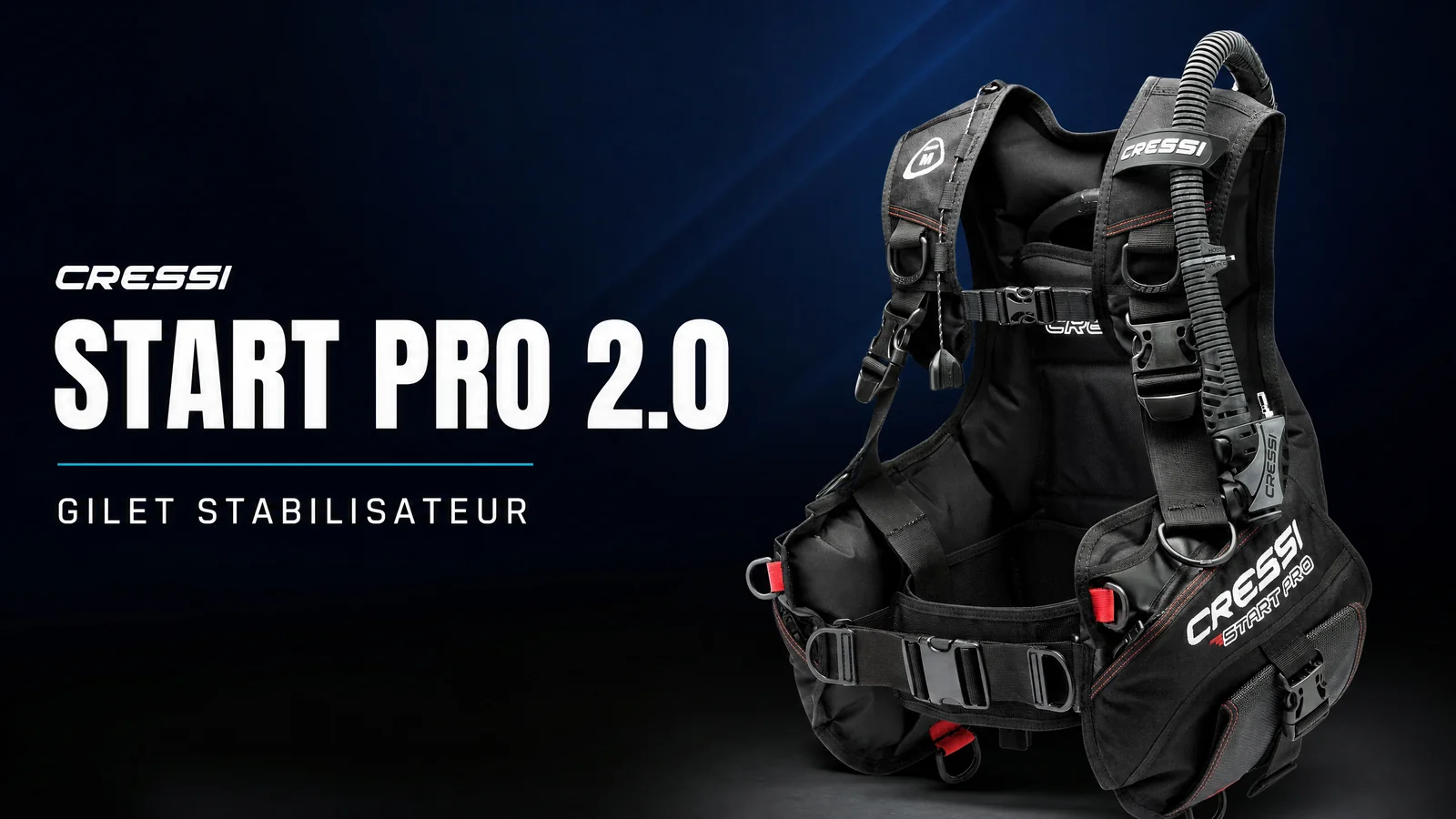
| Start Pro 2.0 | Cressi | Jacket entrée de gamme | 14 kg | 2.5 kg | Nylon standard | 199 - 279 € | 2.82 / 5 |
| Travelight | Cressi | Jacket voyage ultra-léger | 15 kg | 1.9 kg | 420D + 210D nylon | 249 - 329 € | 3.33 / 5 |
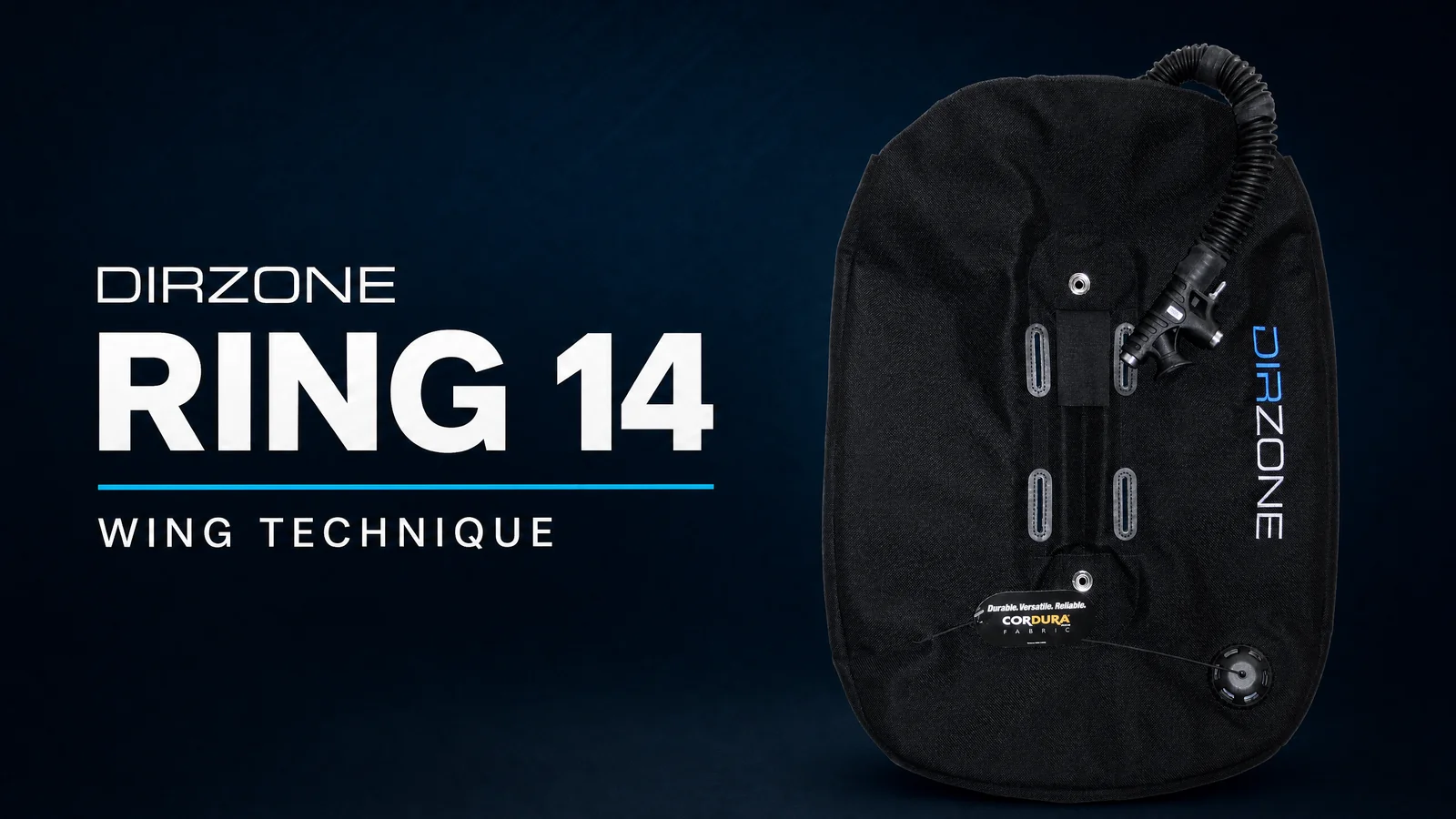
| Ring 14 + Comfort Harness | DIRZONE | Backplate + Wing donut mono-bouteille | 14 kg | 3 kg | Cordura 2000 externe + Cordura 560 interne avec joints PU | 699 - 849 € | 3.9 / 5 |
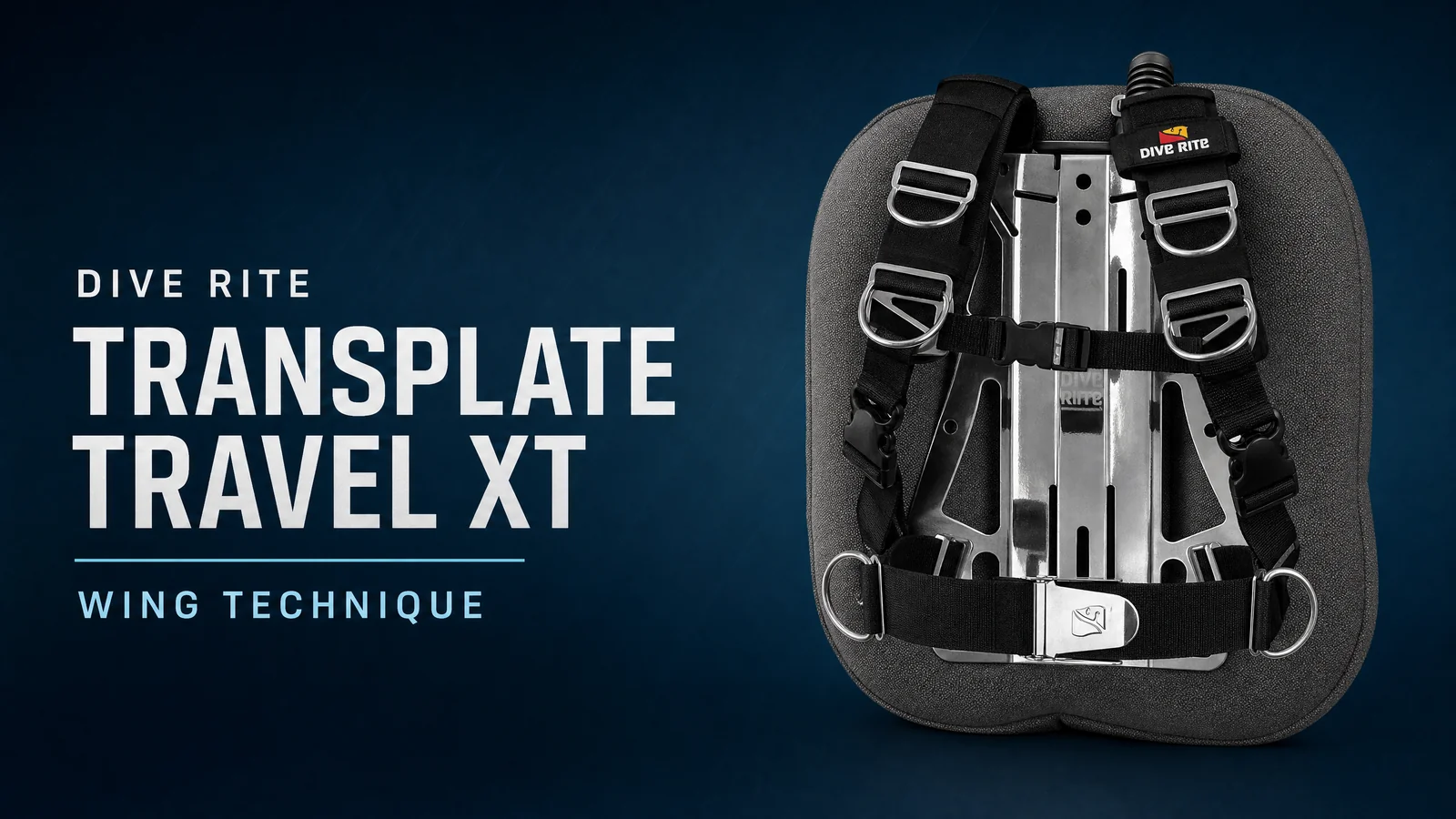
| TransPlate + Travel XT Wing | Dive Rite | Backplate + Wing donut voyage | 11.3 kg | 2.5 kg | Nylon balistique marine-grade + acier inox | 549 - 699 € | 3.92 / 5 |
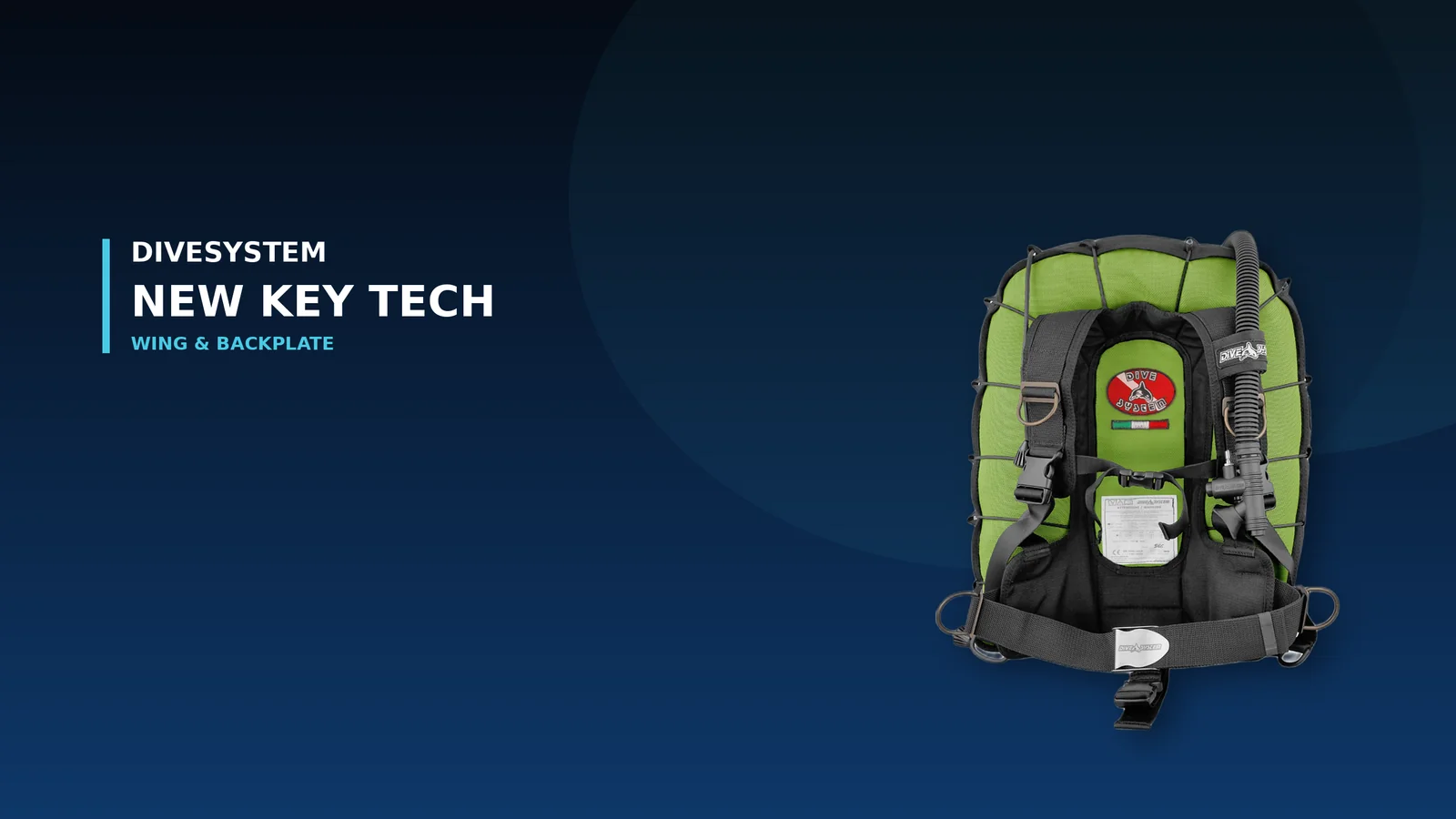
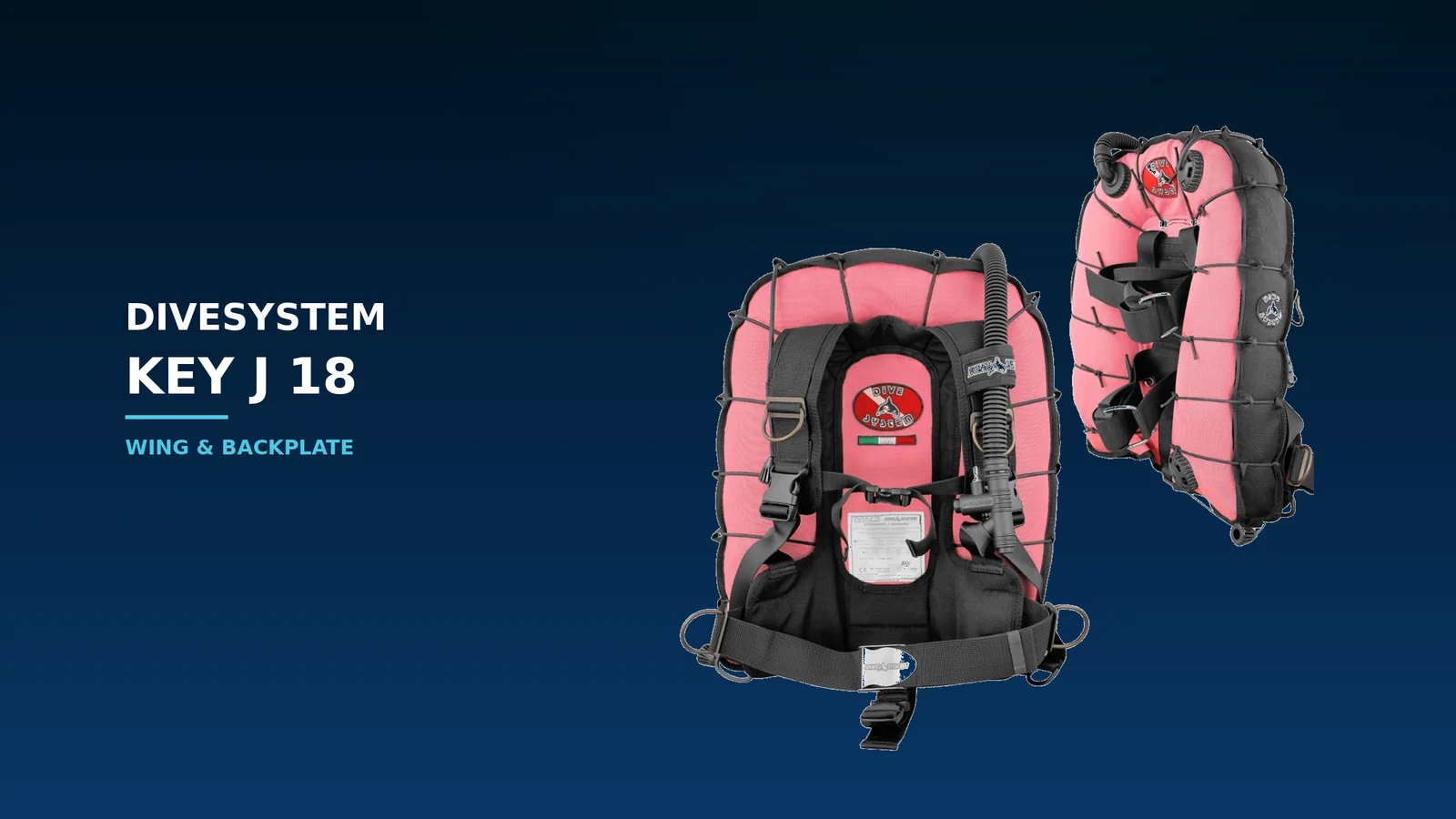
| Key J 18 | DiveSystem | Backplate + Wing voyage (18L) | 8.2 kg | 2.2 kg | 1000D Cordura | 399 - 499 € | 3.33 / 5 |
| New Key Tech | DiveSystem | Backplate + Wing voyage technique | 9 kg | 2.35 kg | 1000D Cordura + Nylon/PU bladder | 399 - 499 € | 3.47 / 5 |
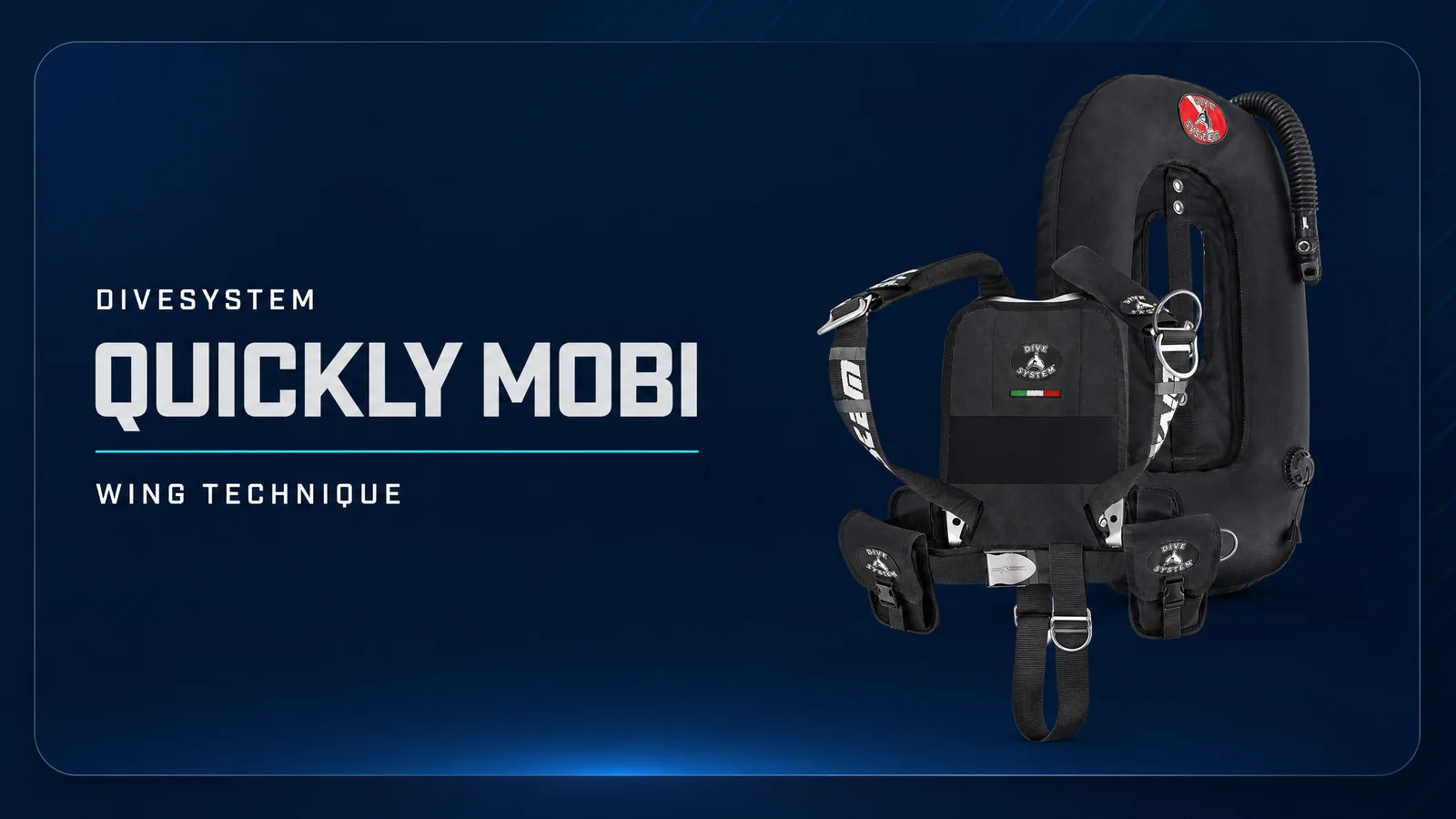
| Quickly MoBi | DiveSystem | Backplate + Wing donut universel | 16 kg | 3 kg | 1000D Cordura | 649 - 799 € | 4.22 / 5 |
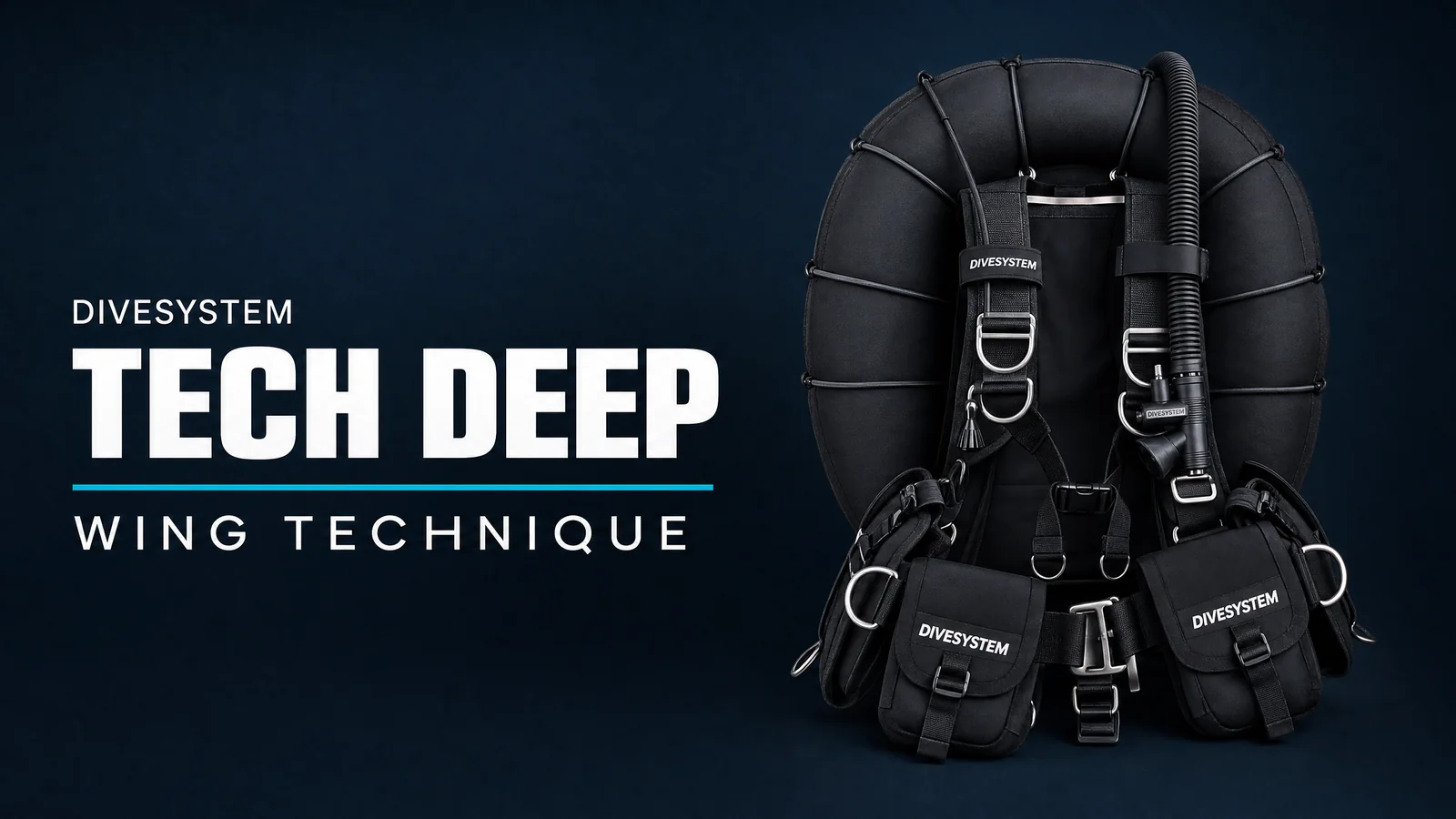
| Tech Deep | DiveSystem | Backplate + Wing technique militaire | 18 kg | 3.2 kg | 1000D Cordura double couture | 649 - 799 € | 4.18 / 5 |
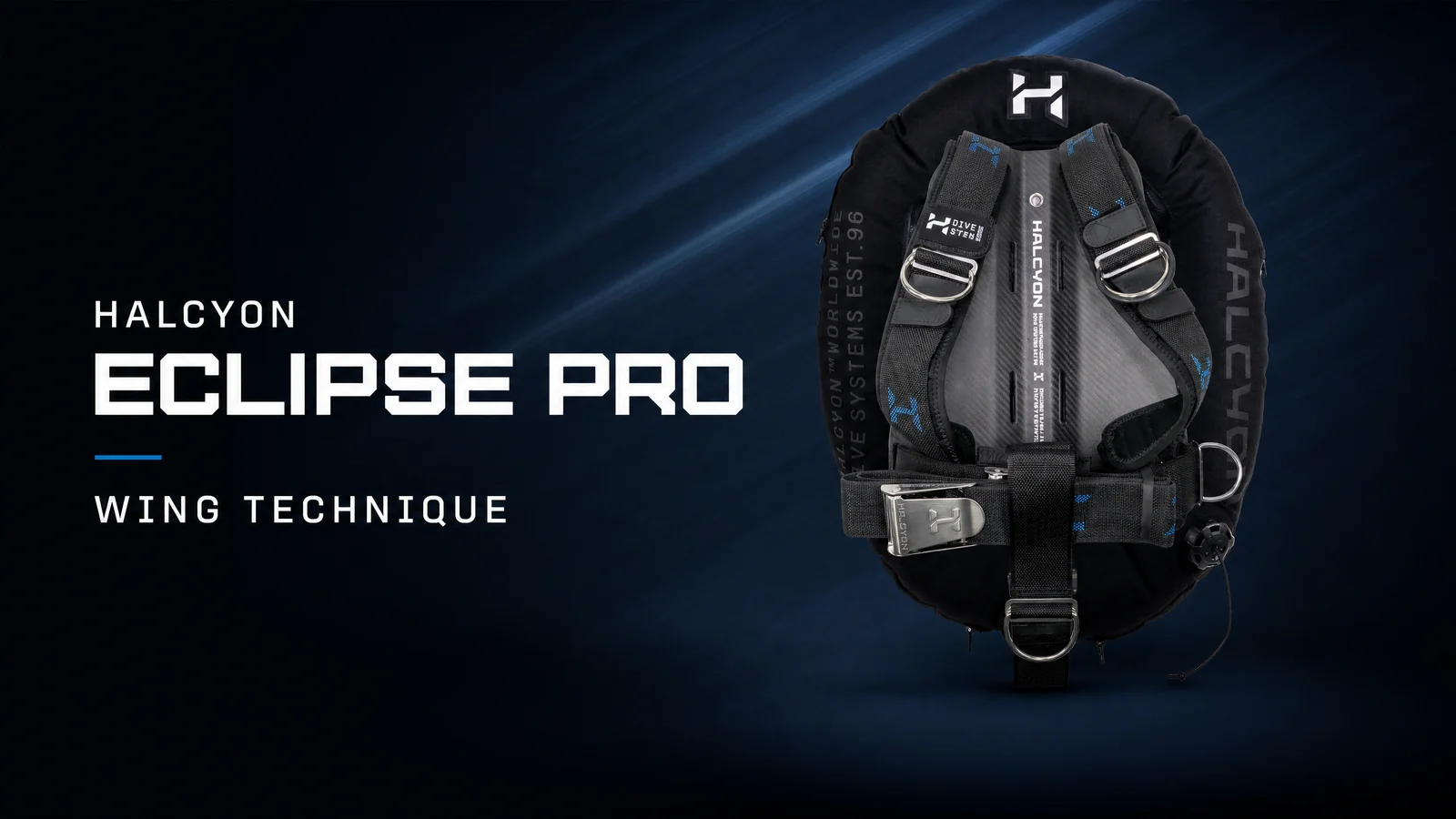
| Eclipse Pro | Halcyon | Backplate + Wing (donut) | 27 kg | 3.5 kg | Cordura 1000D + plaque acier inox | 699 - 899 € | 4.65 / 5 |
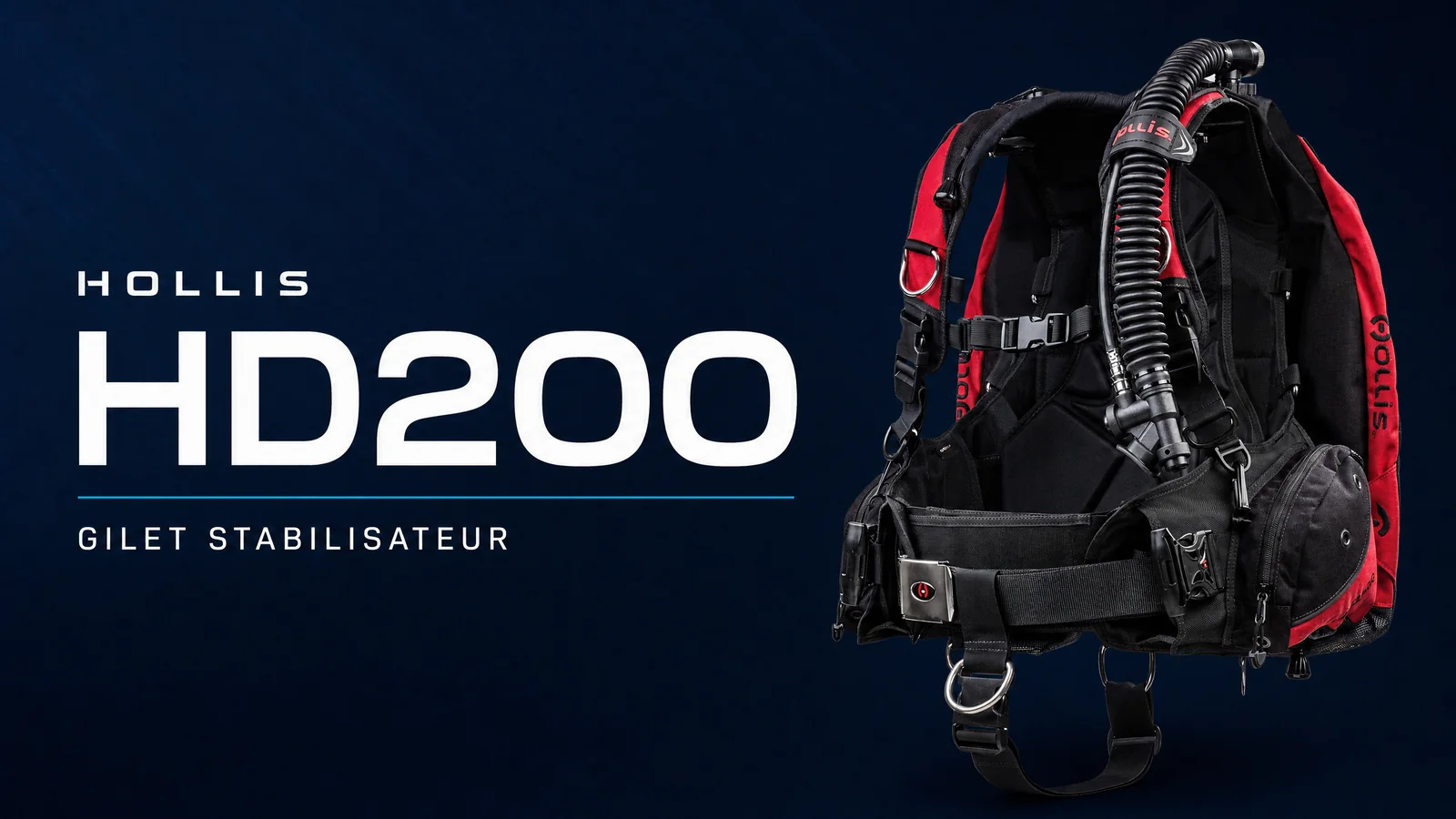
| HD 200 | Hollis | Back-inflate technique loisir | 20 kg | 3.5 kg | 1000D Cordura | 499 - 599 € | 4.22 / 5 |
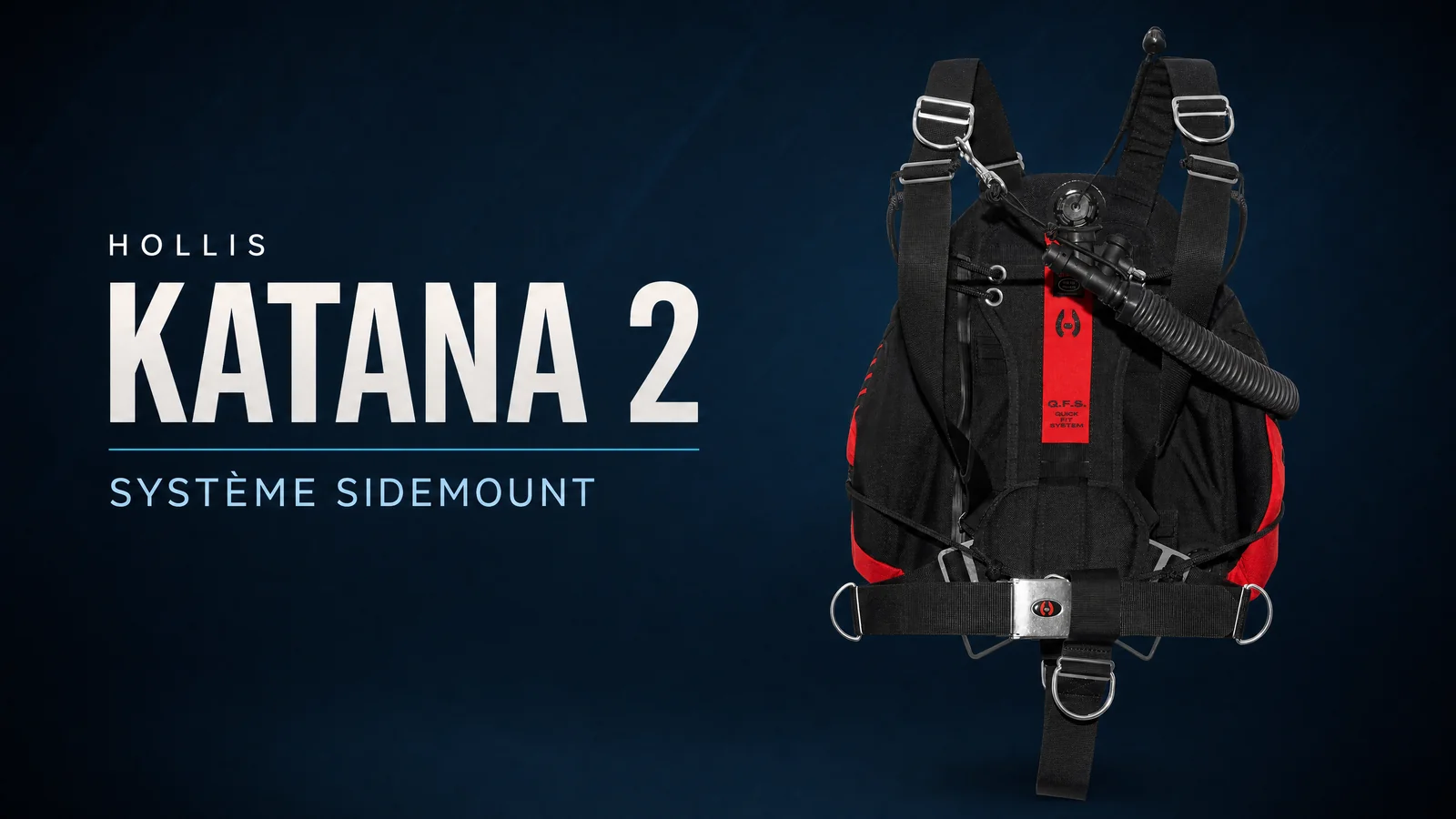
| Katana 2 | Hollis | Sidemount | 18 kg | 3.2 kg | 1000D Cordura | 699 - 849 € | 4.53 / 5 |
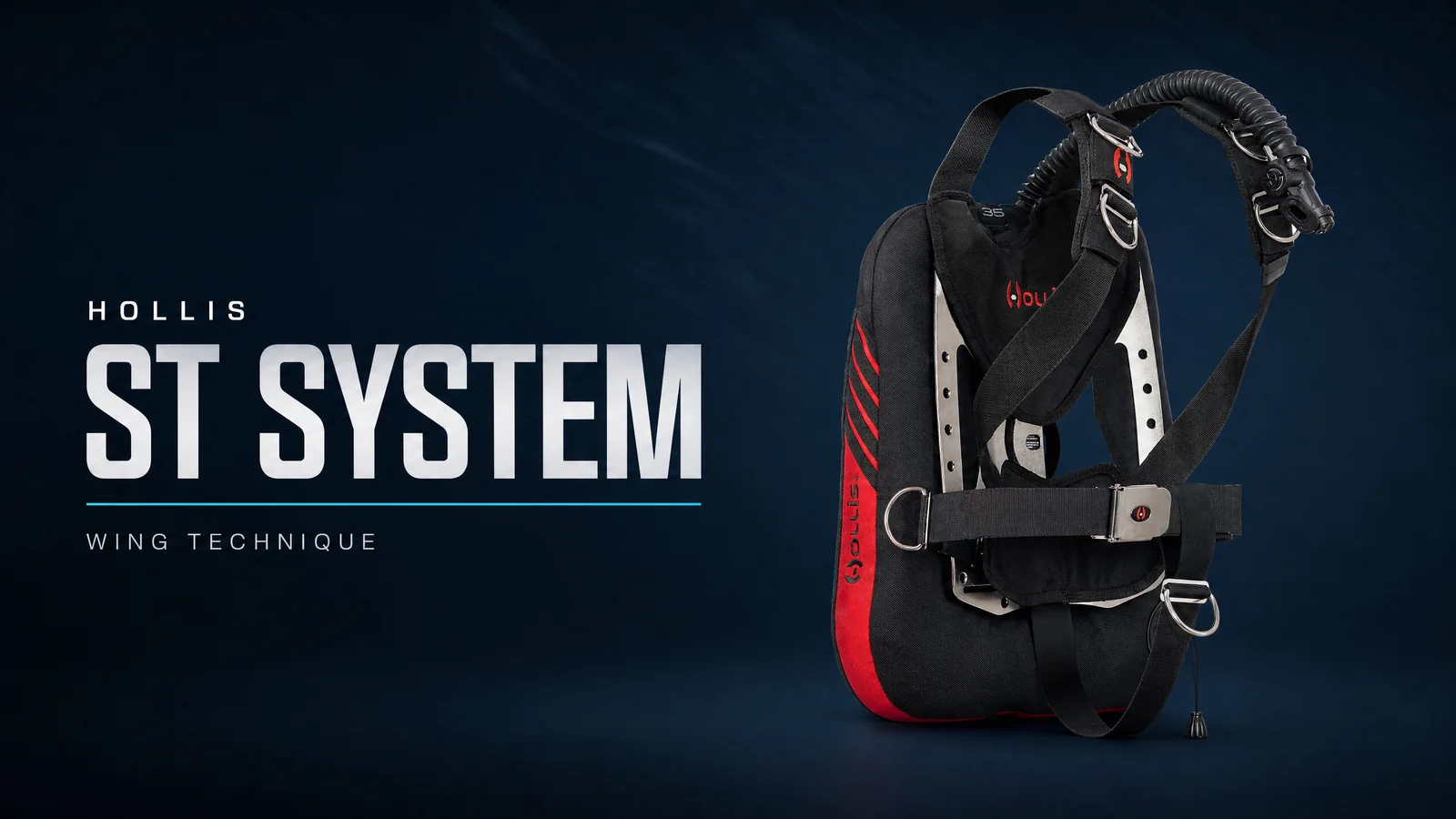
| ST System (ST35) | Hollis | Backplate + Wing (horseshoe) | 15.9 kg | 2.8 kg | Nylon balistique | 499 - 649 € | 3.87 / 5 |
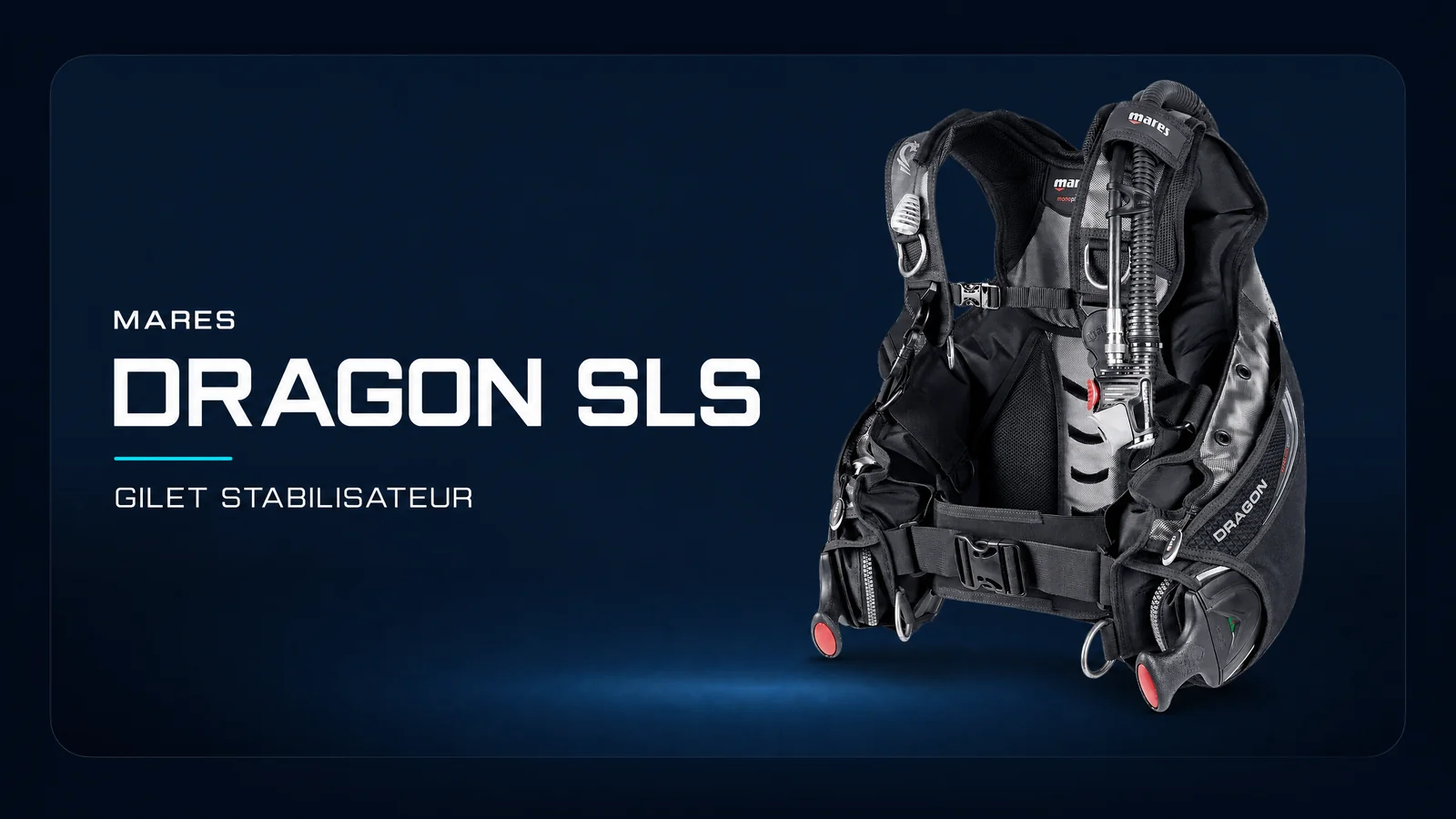
| Dragon SLS | Mares | Jacket enveloppant | 19.3 kg | 3.2 kg | 420D Cordura | 349 - 429 € | 3.3 / 5 |
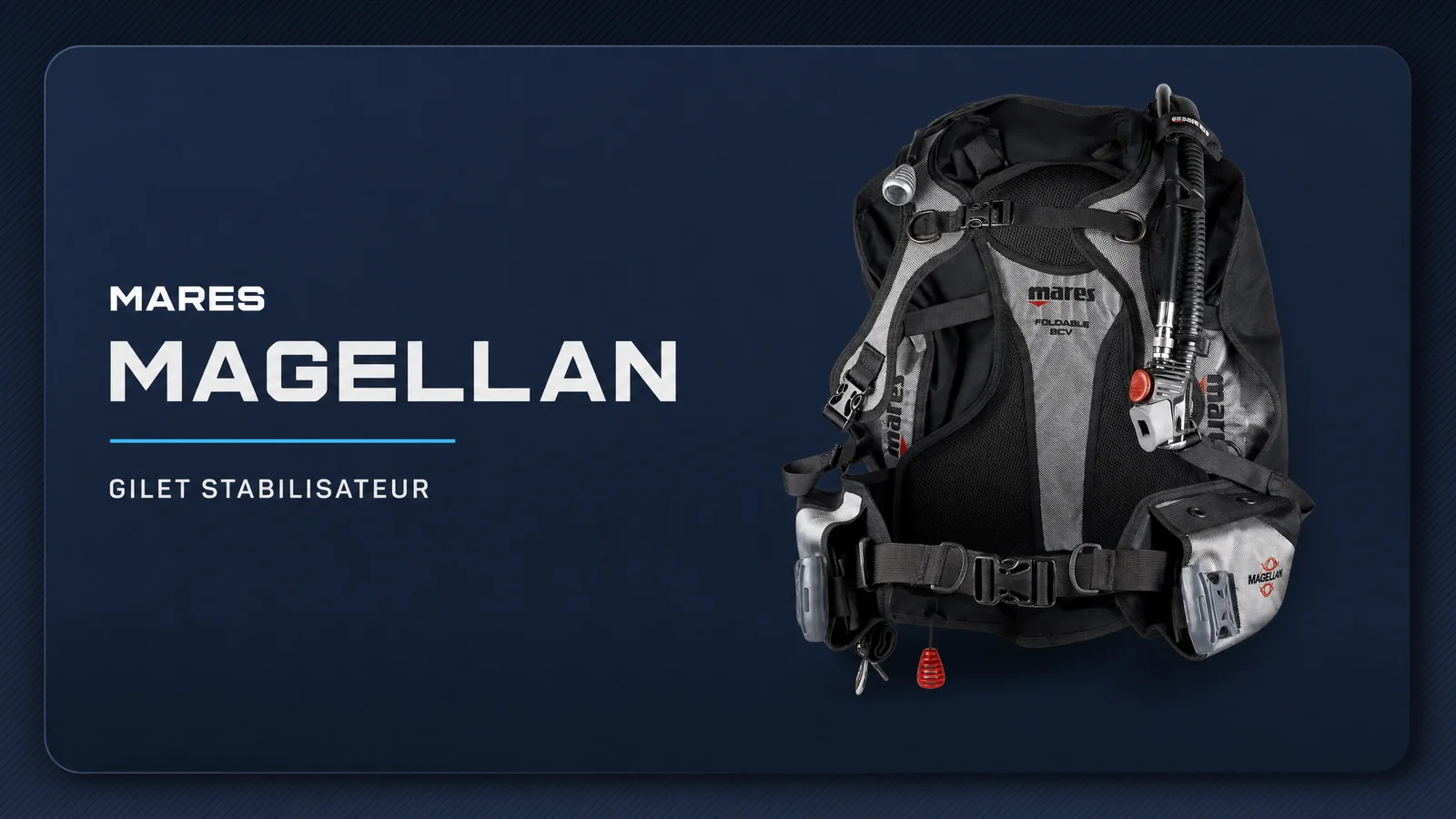
| Magellan | Mares | Jacket voyage ultra-léger | 18.5 kg | 2 kg | Nylon léger sans backplate rigide | 349 - 449 € | 3.5 / 5 |
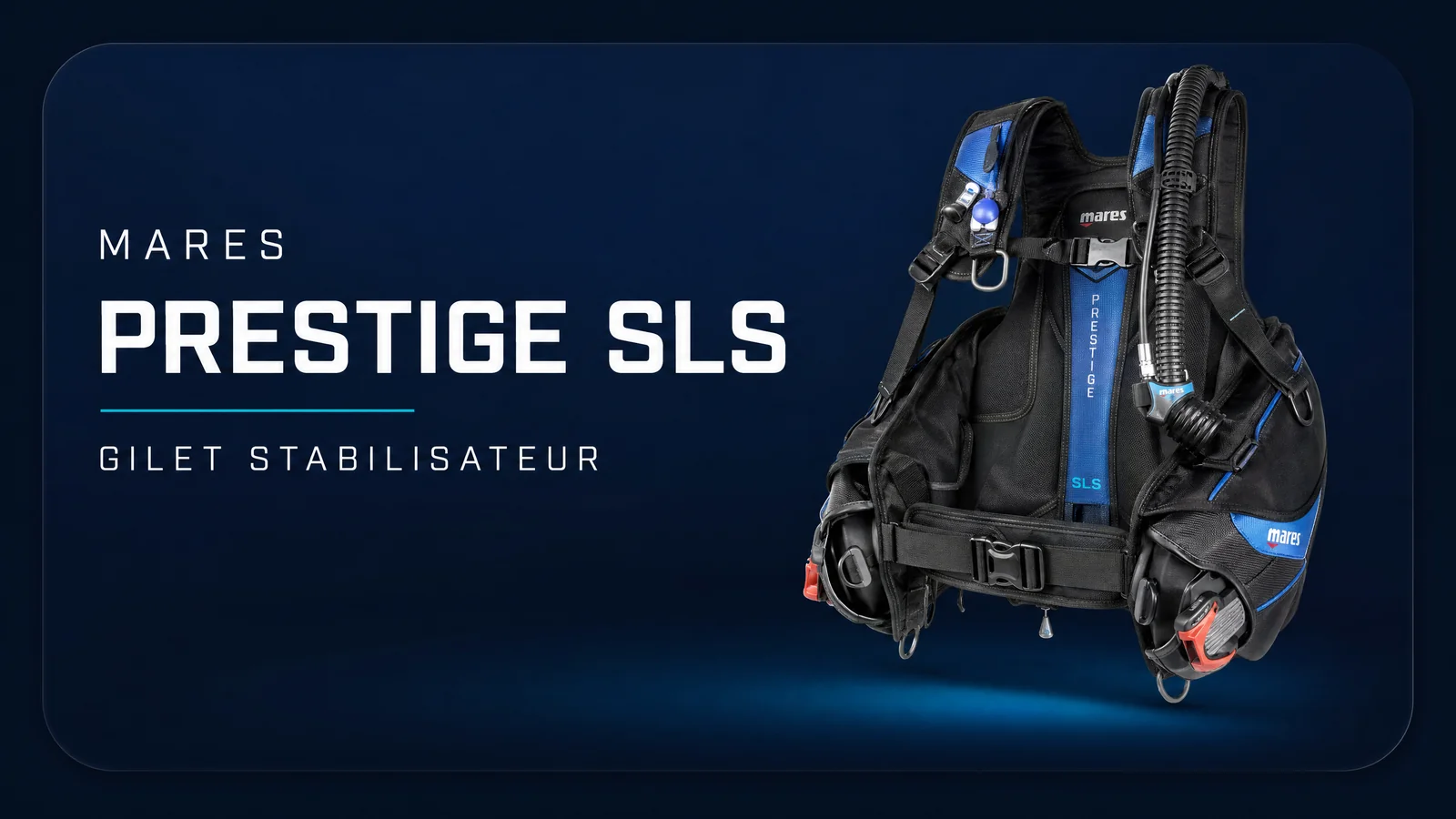
| Prestige SLS | Mares | Jacket voyage léger | 16 kg | 2.1 kg | Nylon léger SLS | 349 - 449 € | 3.33 / 5 |
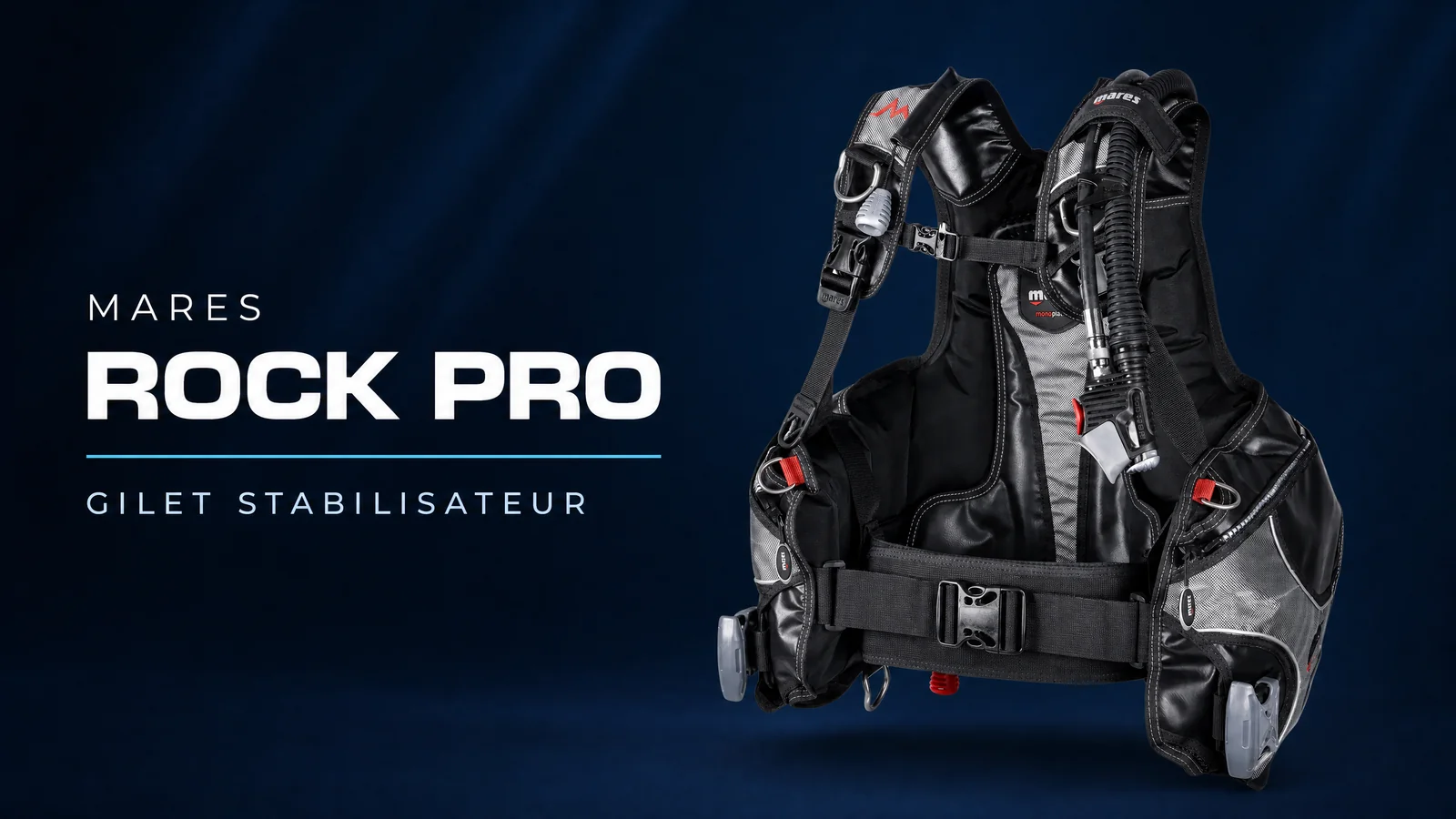
| Rock Pro | Mares | Back-inflate robuste | 18 kg | 3.3 kg | 1000D Cordura | 419 - 519 € | 4.05 / 5 |
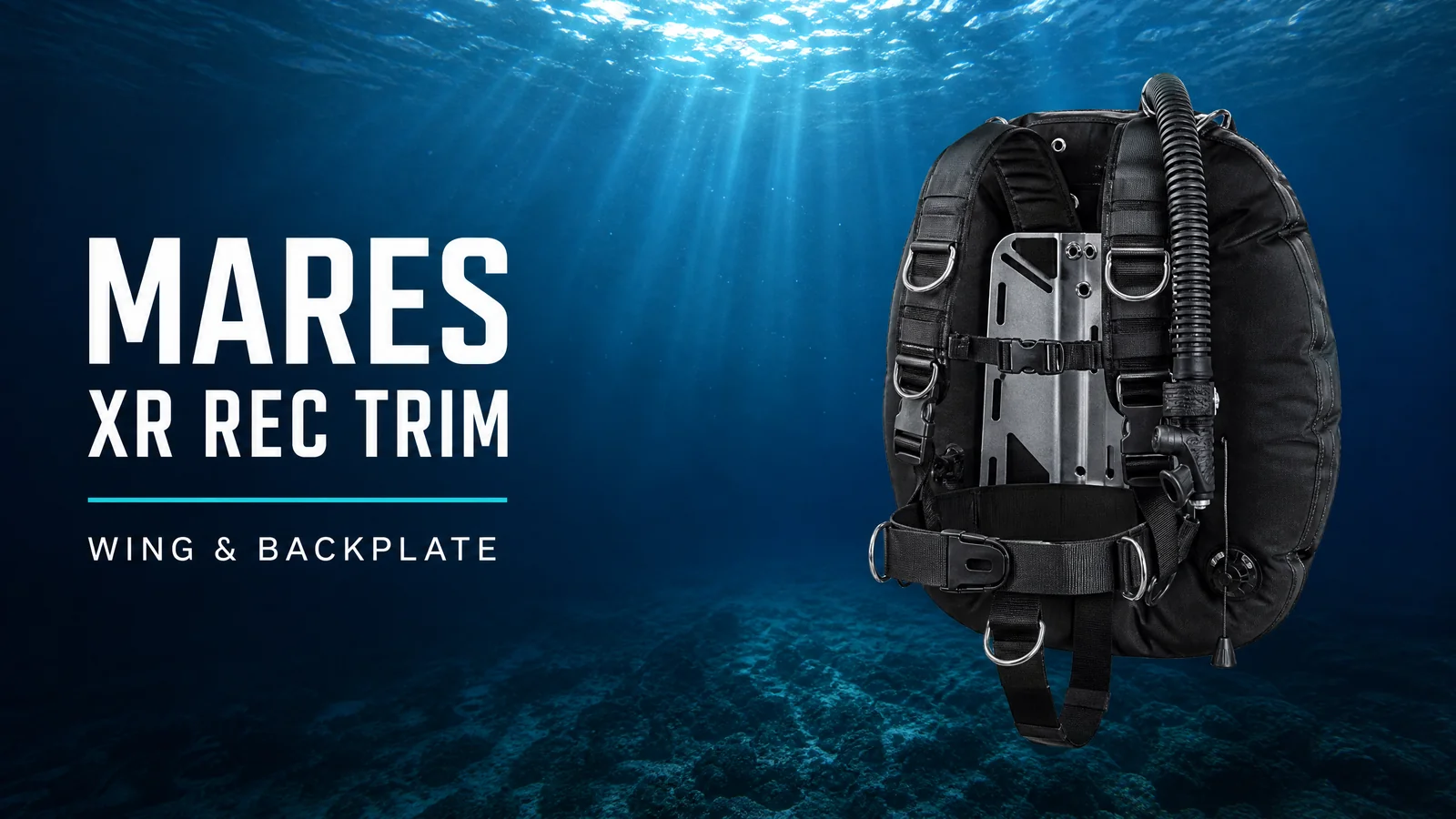
| XR Rec Trim | Mares | Backplate + Wing donut technique | 17 kg | 2.8 kg | 1000D Cordura | 599 - 749 € | 3.63 / 5 |
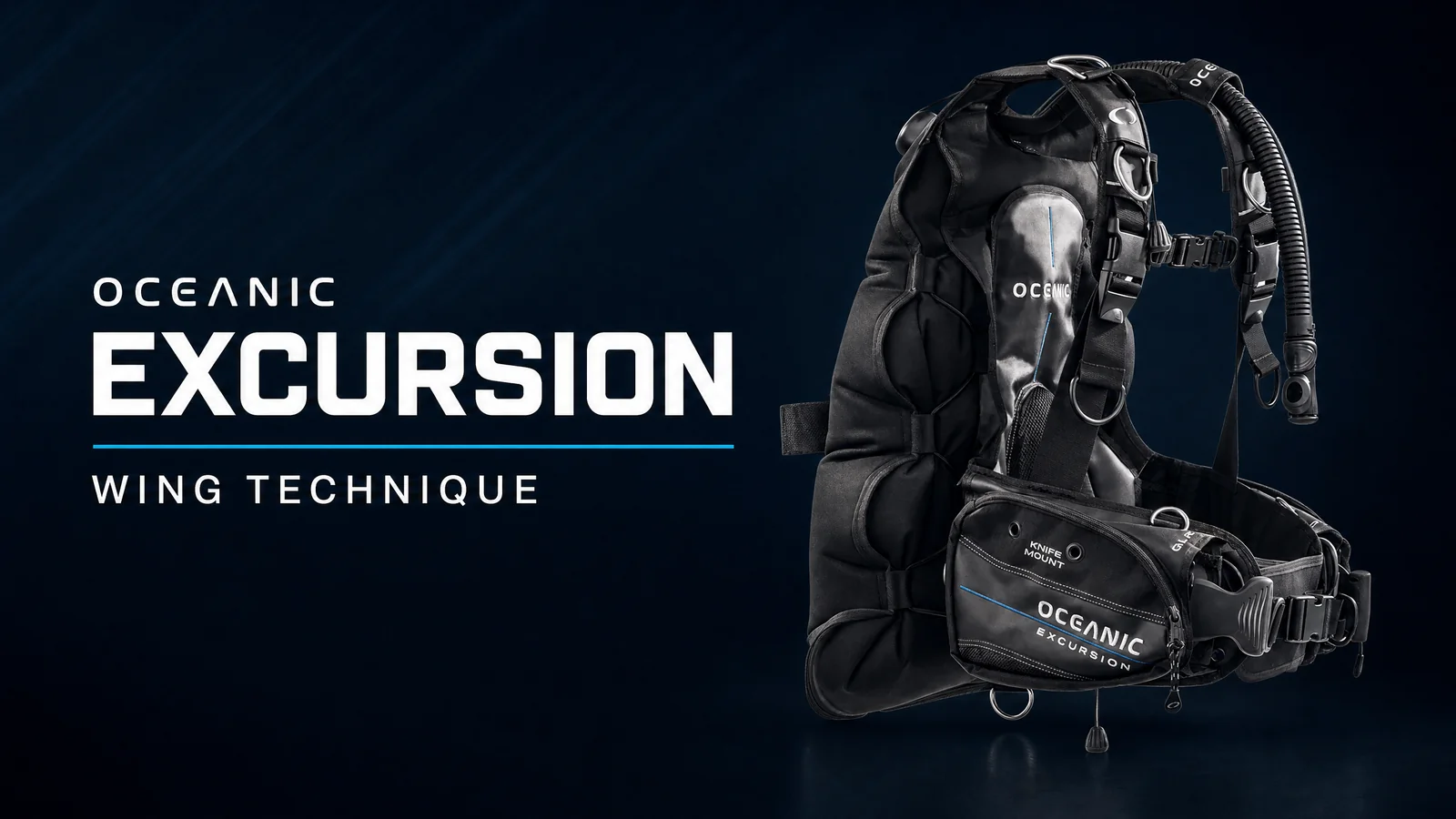
| Excursion | Oceanic | Back-inflate grande portance | 23.6 kg | 4.2 kg | 1600D nylon + vessie BioFlex | 549 - 699 € | 4.41 / 5 |
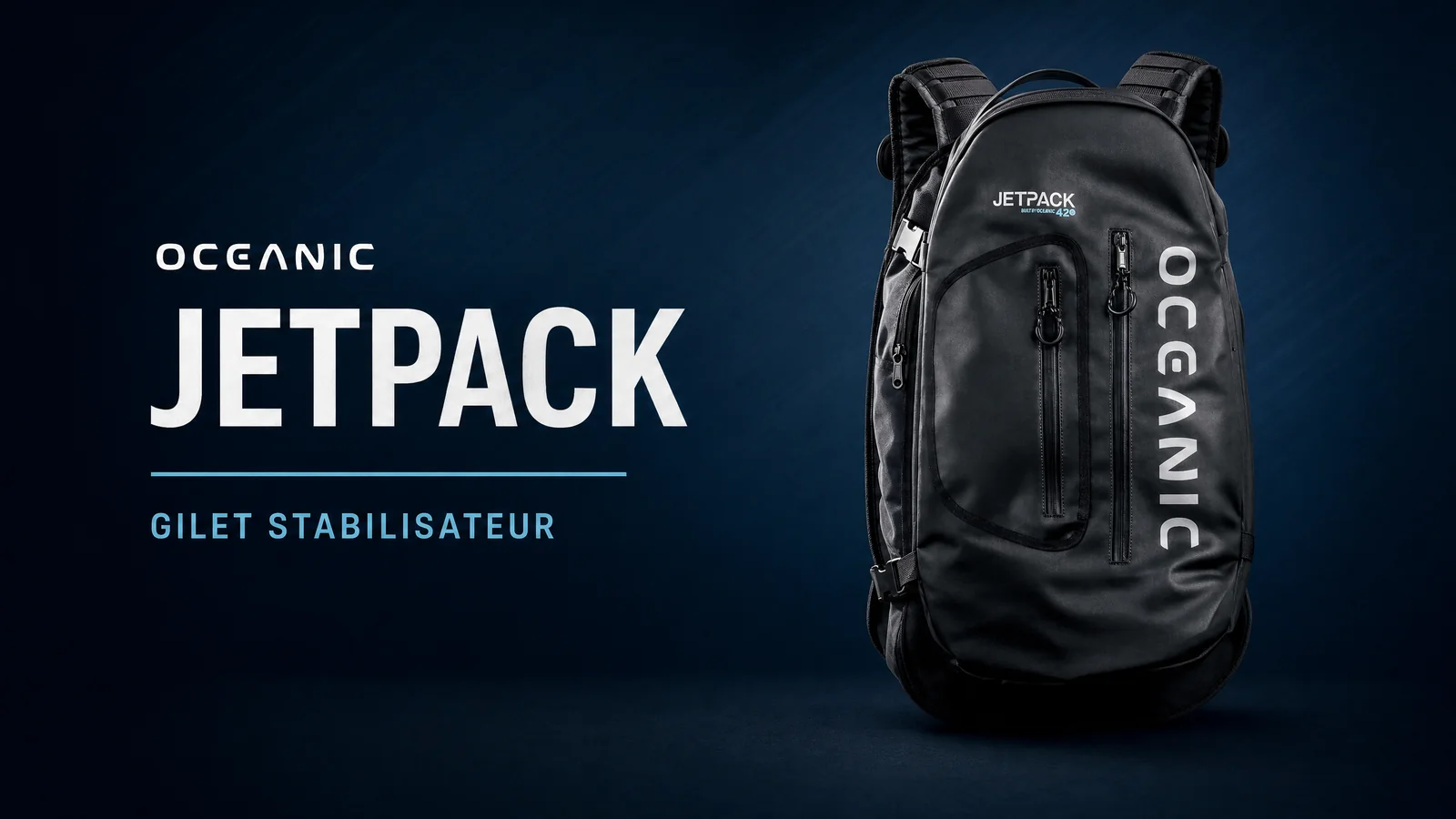
| Jetpack | Oceanic | Back-inflate voyage (convertible sac) | 13.6 kg | 2.84 kg | 100D double-coated nylon | 299 - 399 € | 2.92 / 5 |
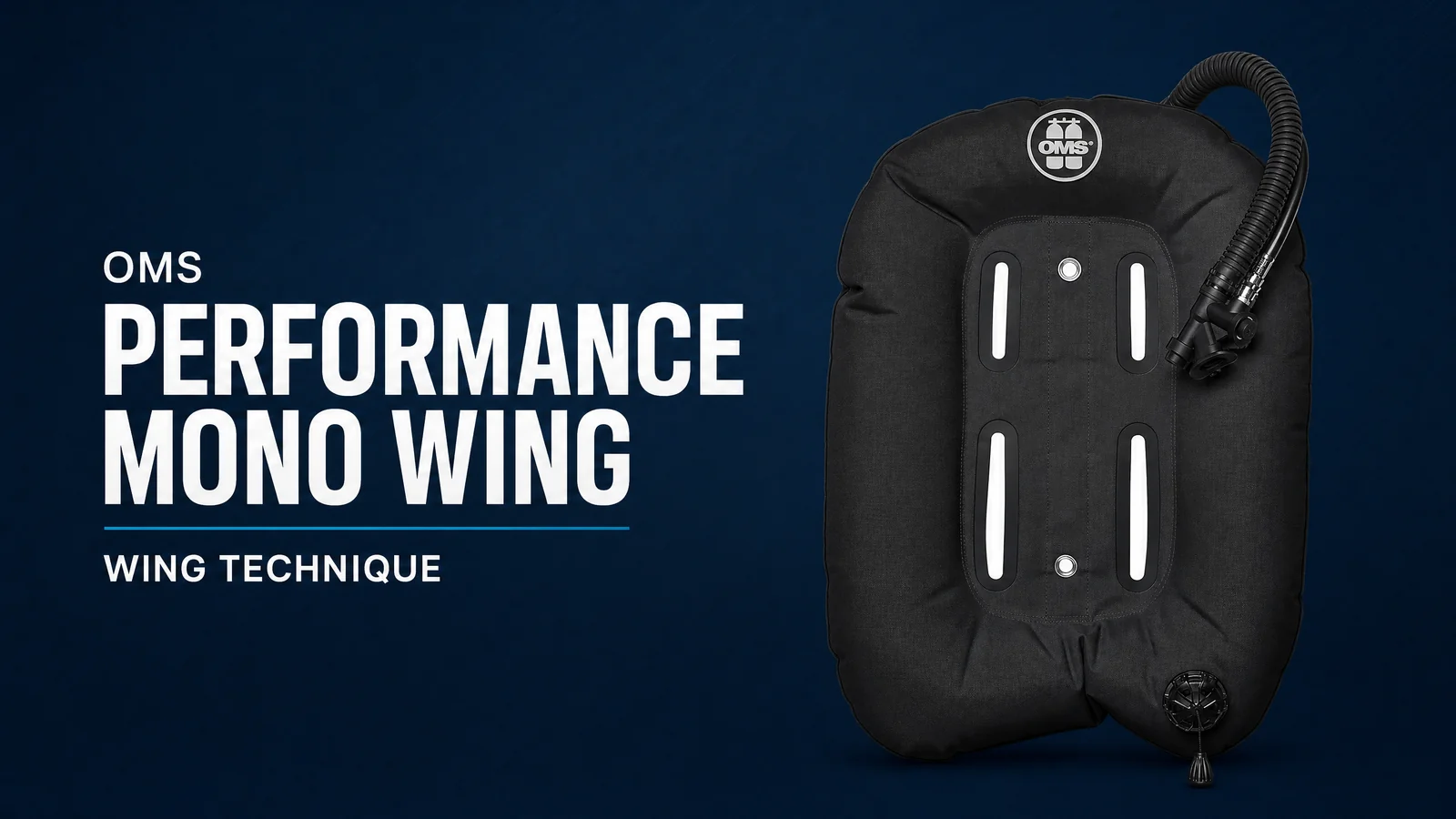
| Performance Mono Wing + SS Backplate | OMS | Backplate + Wing donut technique | 14.5 kg | 3.5 kg | 1000D nylon | 449 - 599 € | 3.87 / 5 |
| BC-1000 | Problue | Jacket loisir asiatique | 15 kg | 2.8 kg | 420D nylon | 199 - 299 € | 2.93 / 5 |
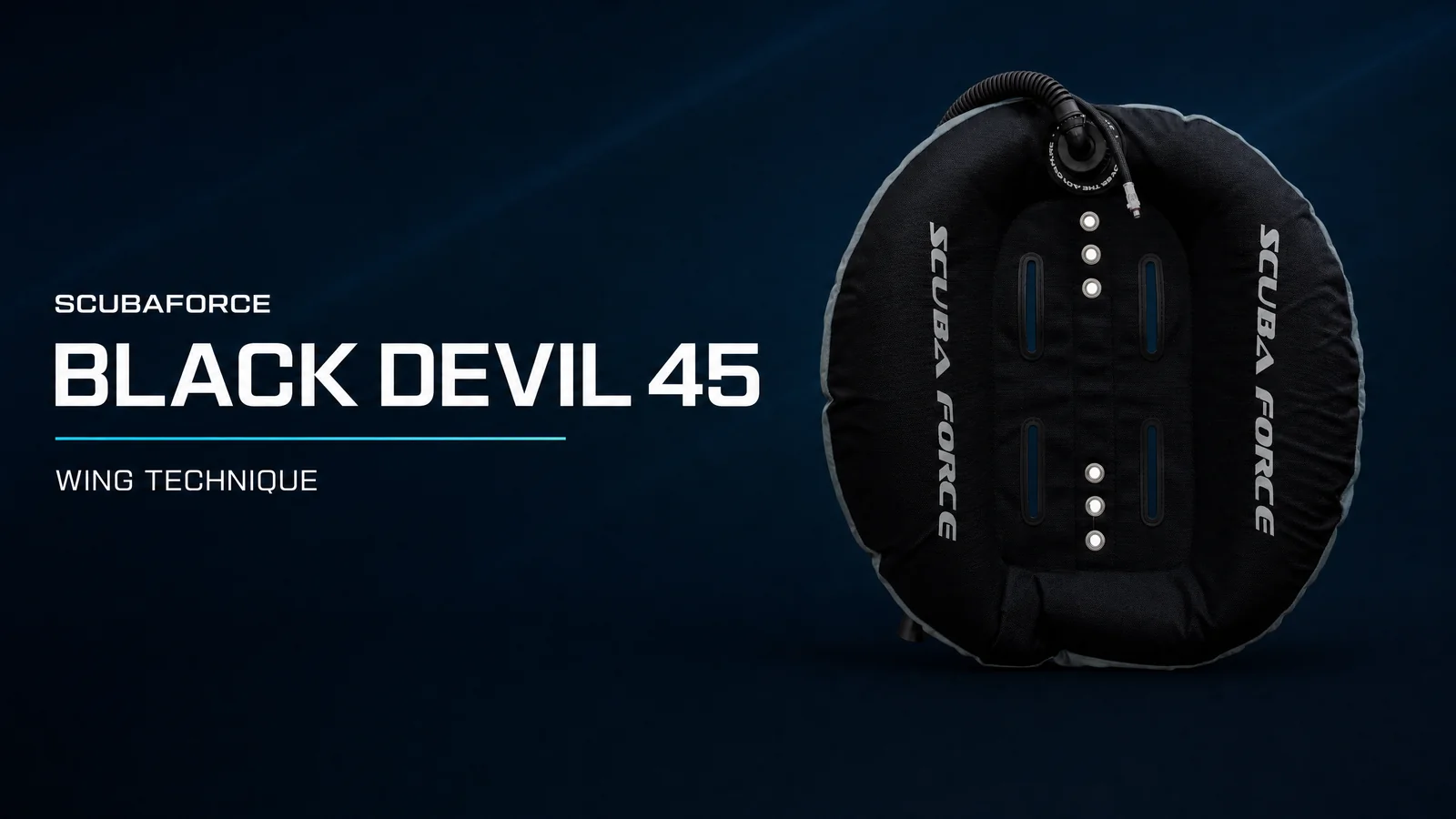
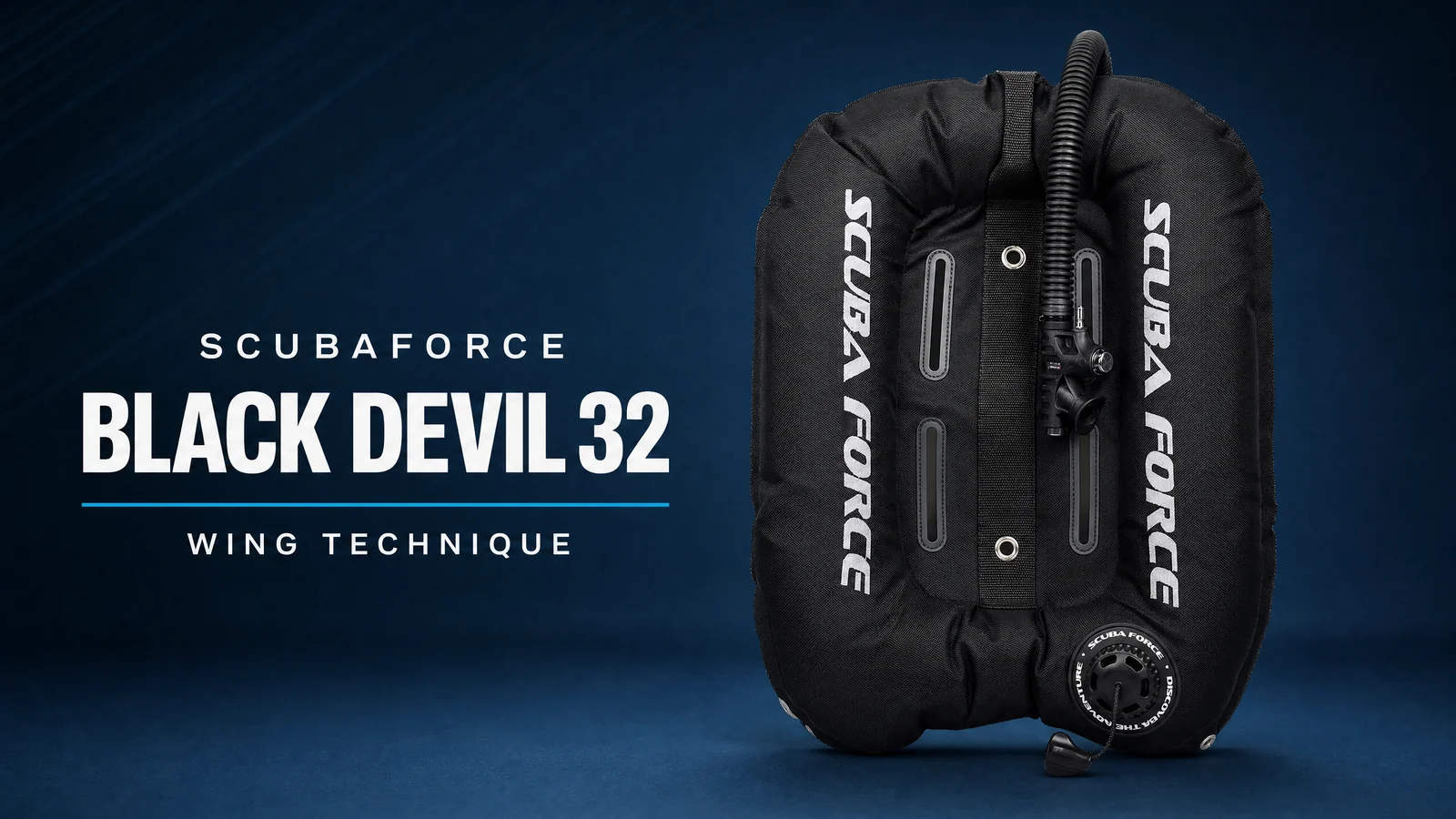
| Black Devil 32 Wing System | Scubaforce | Backplate + Wing donut mono-bouteille | 15 kg | 3.2 kg | Ballistic Cordura 1000D double enveloppe | 699 - 849 € | 3.83 / 5 |
| Black Devil 45 Twinset System | Scubaforce | Backplate + Wing donut bi-bouteille | 20 kg | 3.6 kg | Cordura 1000D double enveloppe | 749 - 949 € | 4.06 / 5 |
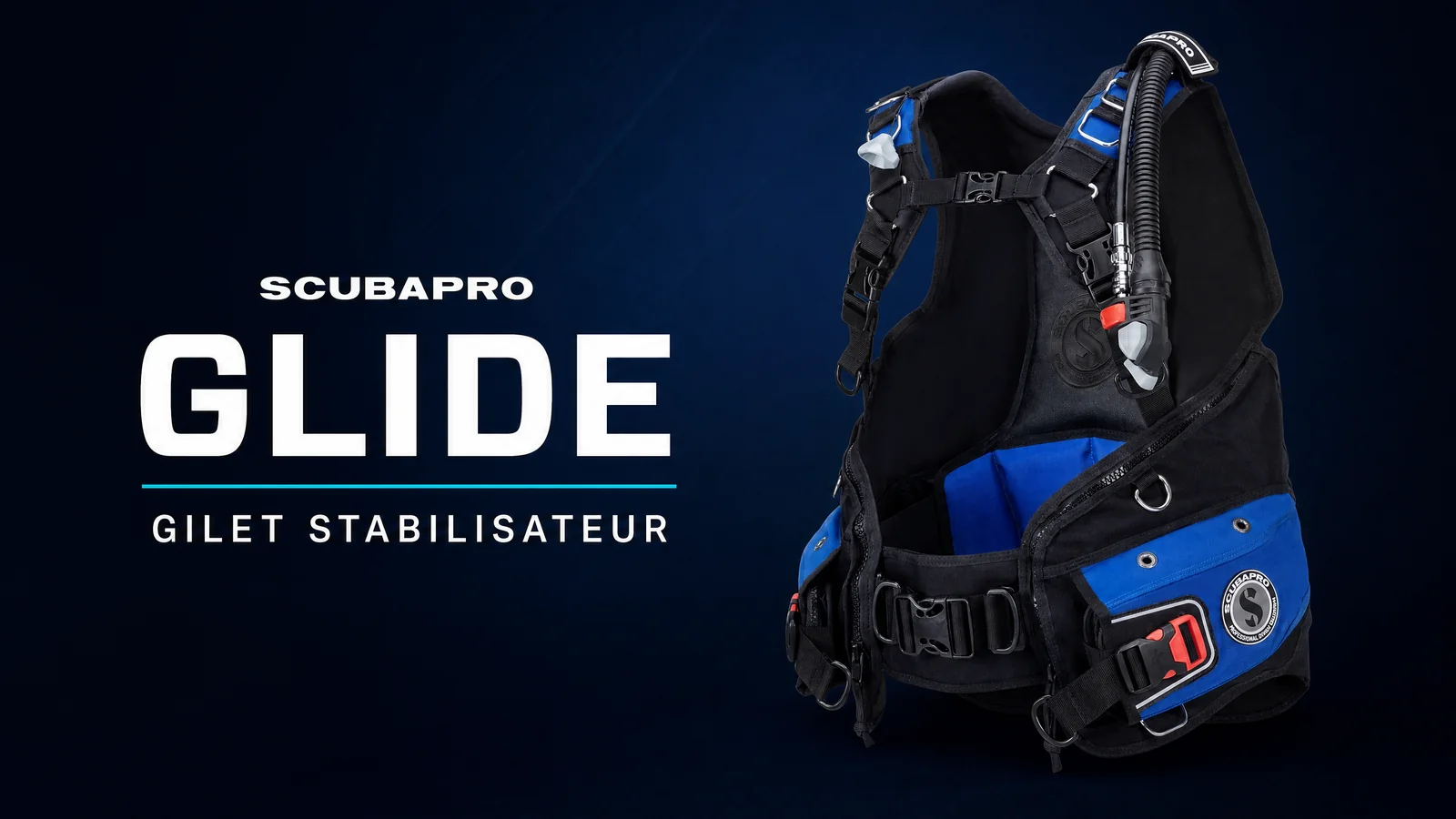
| Glide | Scubapro | Jacket enveloppant | 10.2 kg | 4 kg | 420D nylon | 529 - 629 € | 3.52 / 5 |
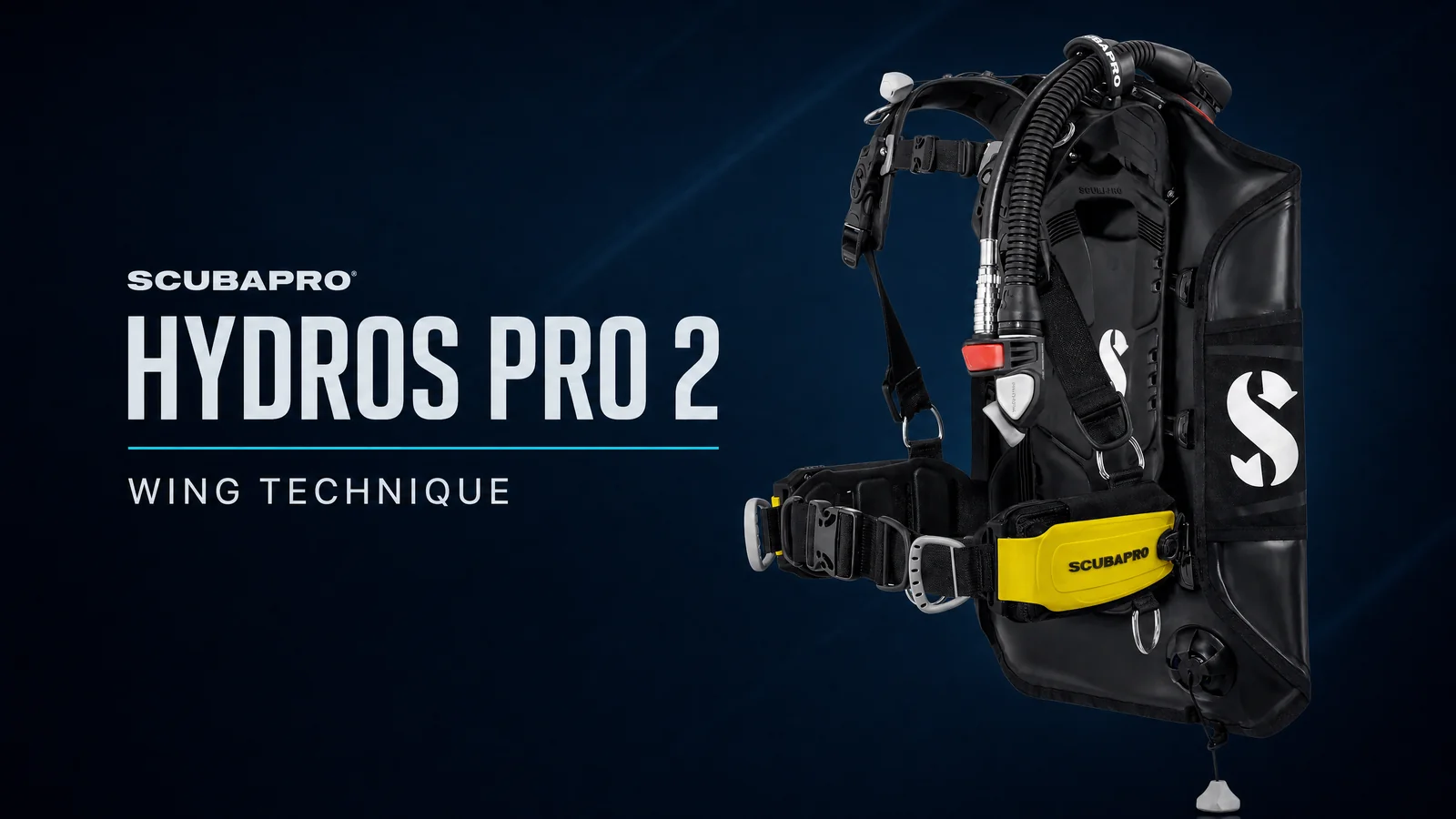
| Hydros Pro 2 | Scubapro | Jacket / Back-inflate hybride | 15.9 kg | 3.8 kg | Monprene + Cordura anti-abrasion | 649 - 749 € | 3.97 / 5 |
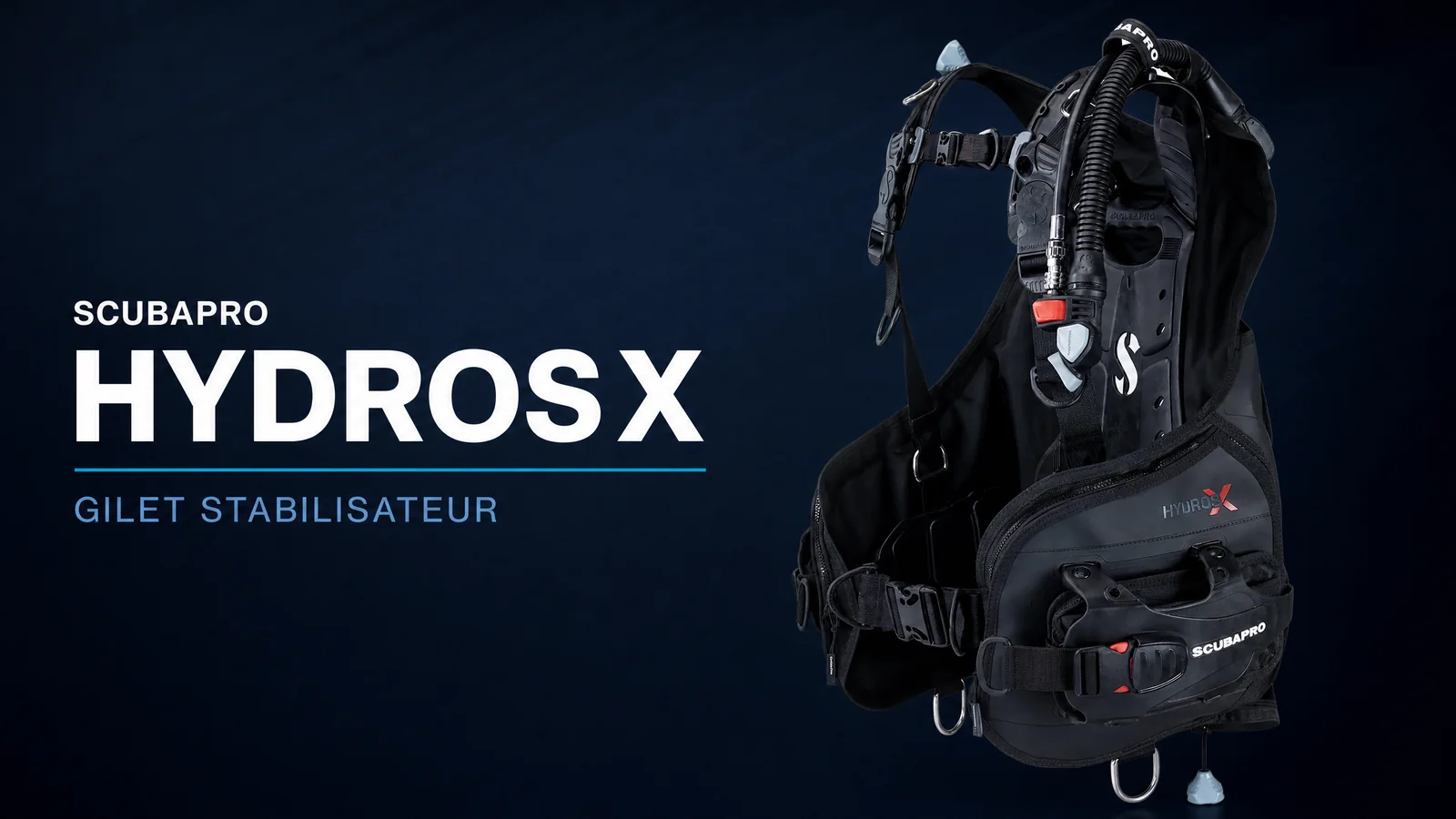
| Hydros X | Scubapro | Back-inflate premium | 13.2 kg | 3 kg | Monprene + 420D nylon | 799 - 899 € | 3.9 / 5 |
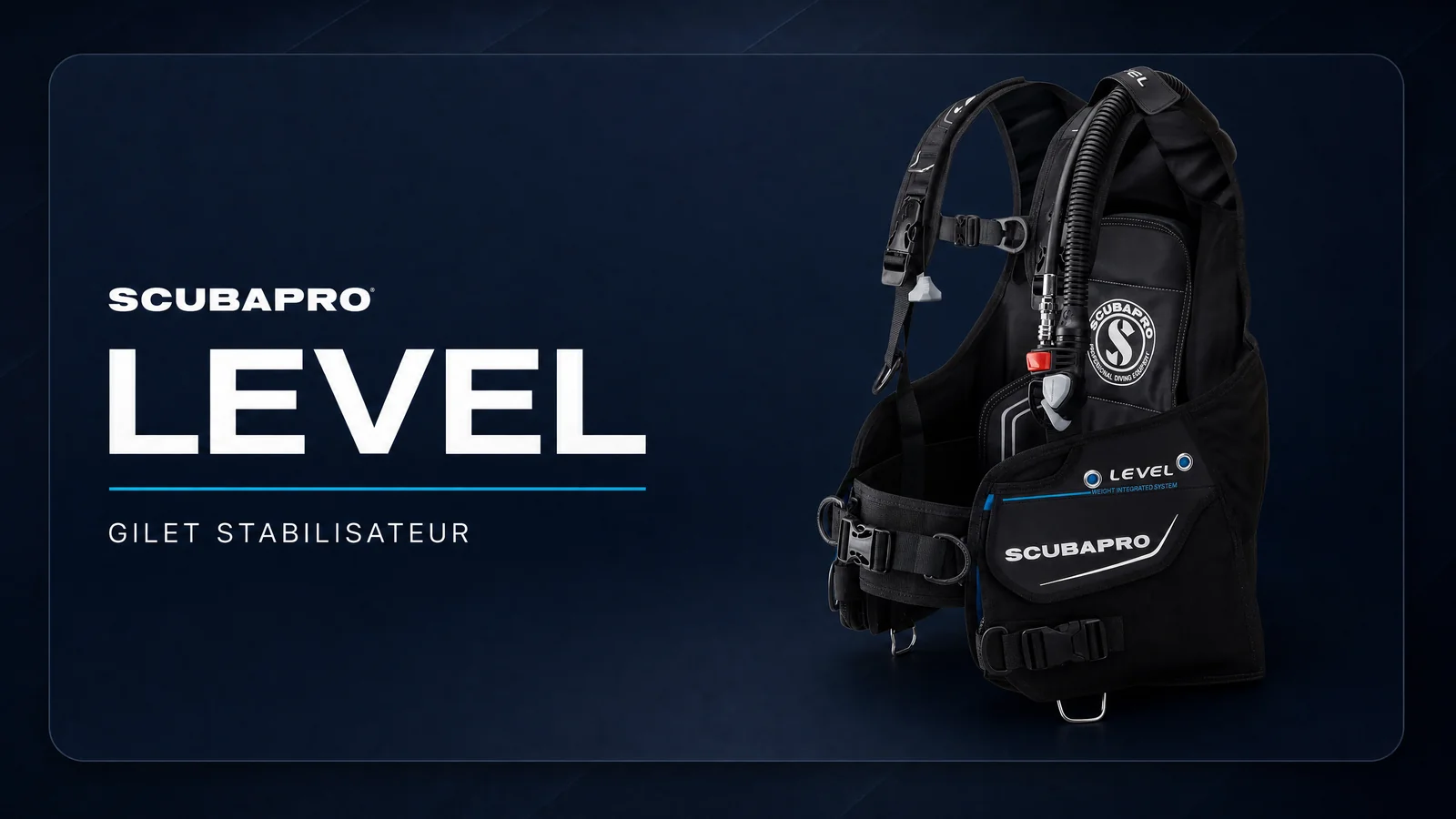
| Level BCD | Scubapro | Jacket enveloppant | 18 kg | 2.8 kg | EndurTex 420D nylon | 299 - 379 € | 3.62 / 5 |
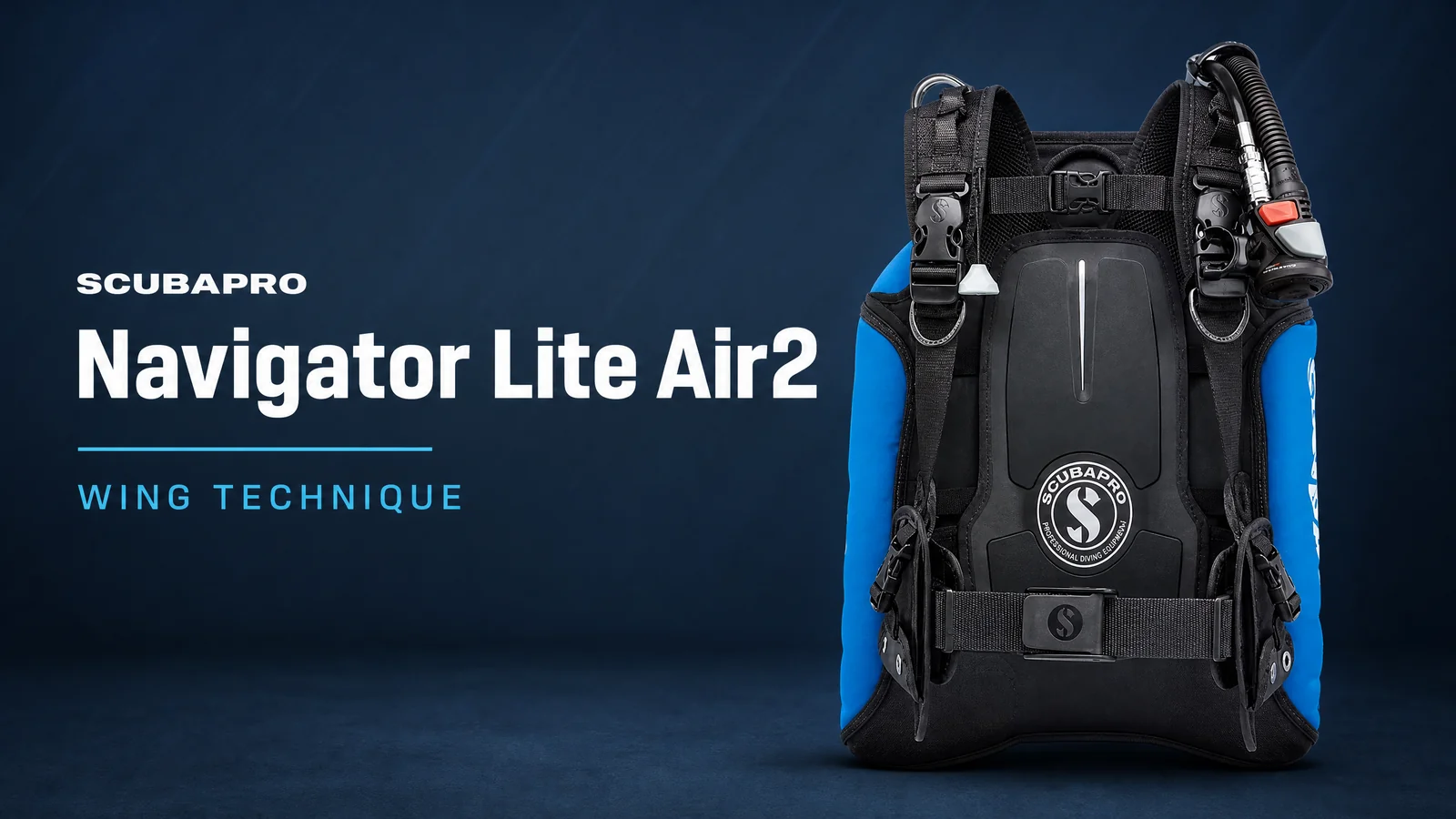
| Navigator Lite w/AIR2 | Scubapro | Back-inflate voyage | 14 kg | 2.5 kg | Airnet soft backpack | 549 - 649 € | 3.38 / 5 |
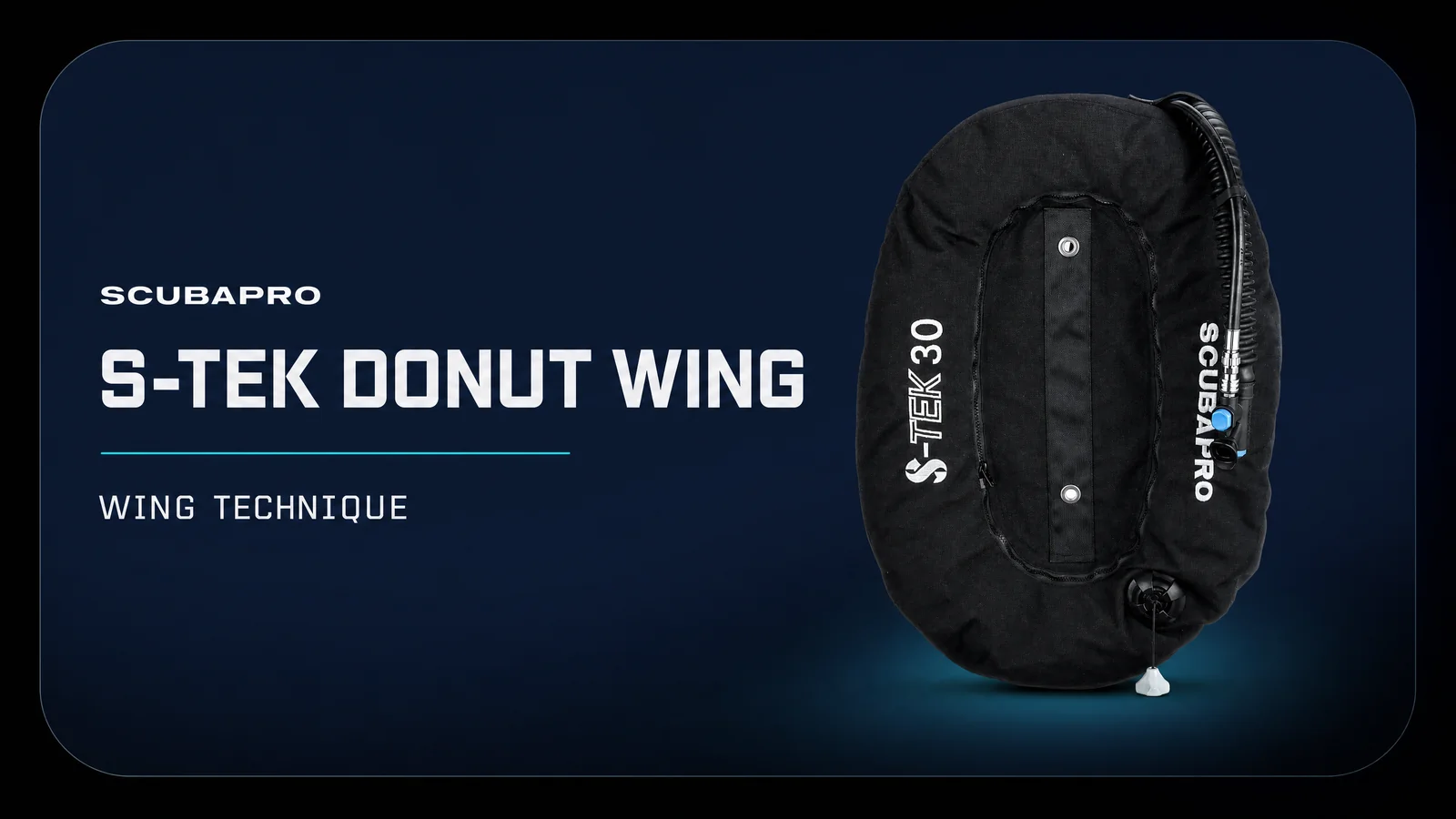
| S-Tek Donut Wing + backplate alu | Scubapro | Backplate + Wing donut voyage technique | 13 kg | 2.8 kg | Nylon haute résistance + Monprene pads | 599 - 749 € | 3.97 / 5 |
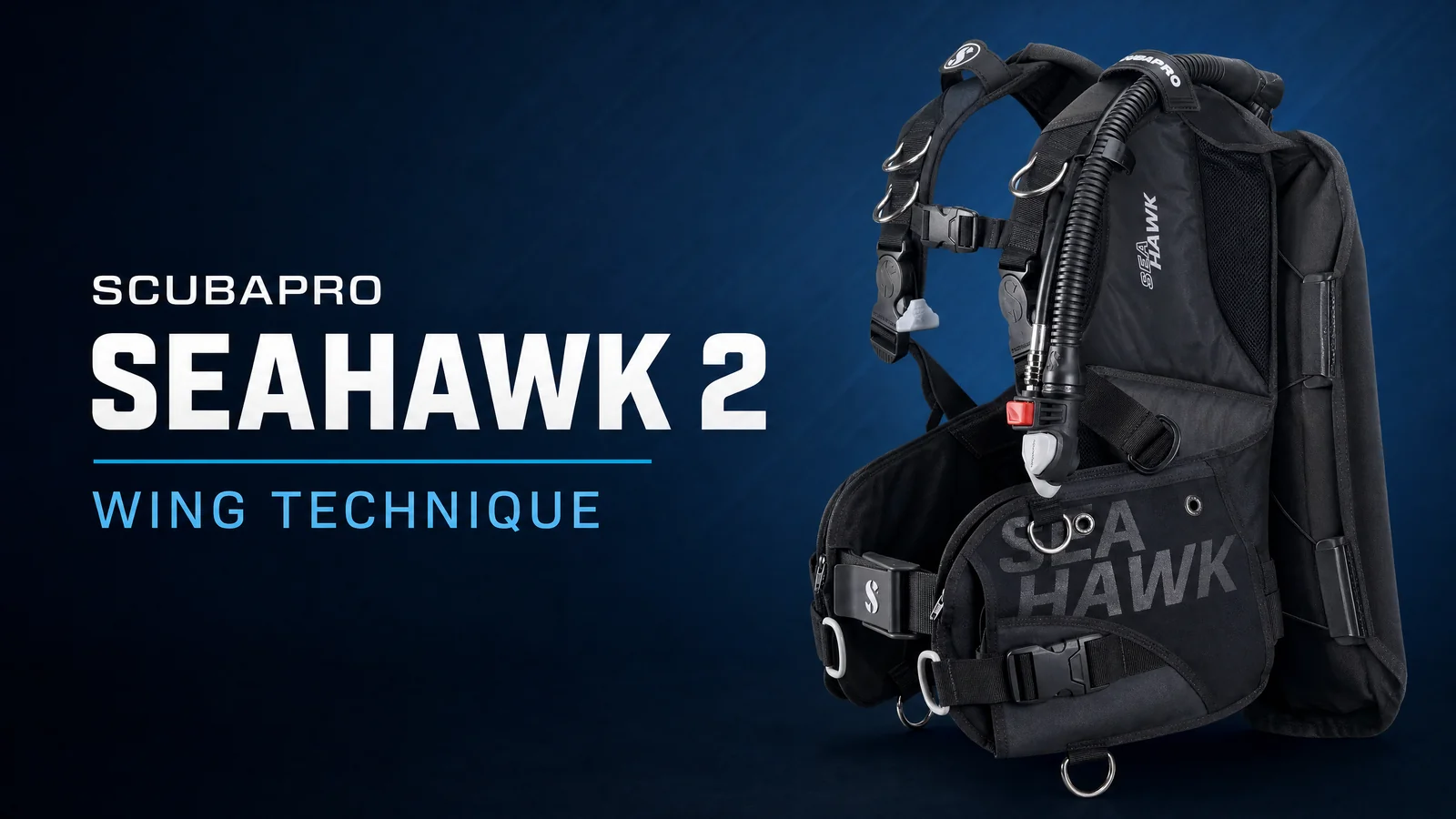
| Seahawk 2 | Scubapro | Back-inflate / Hybride | 16 kg | 2.9 kg | 1000D + 420D nylon | 449 - 549 € | 3.75 / 5 |
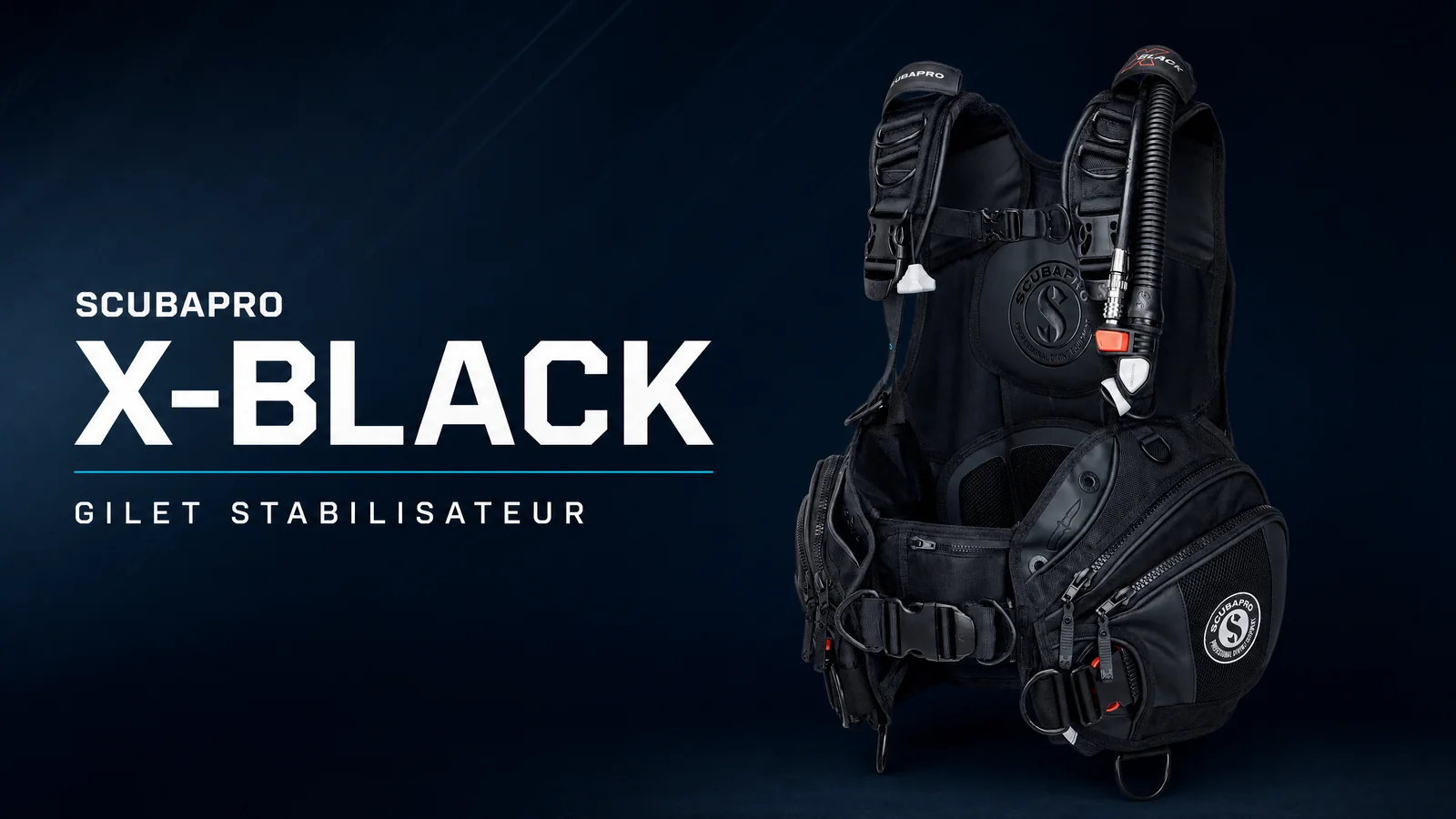
| X-Black | Scubapro | Back-inflate technique loisir | 18 kg | 3.2 kg | 1000D Cordura | 649 - 749 € | 4.17 / 5 |
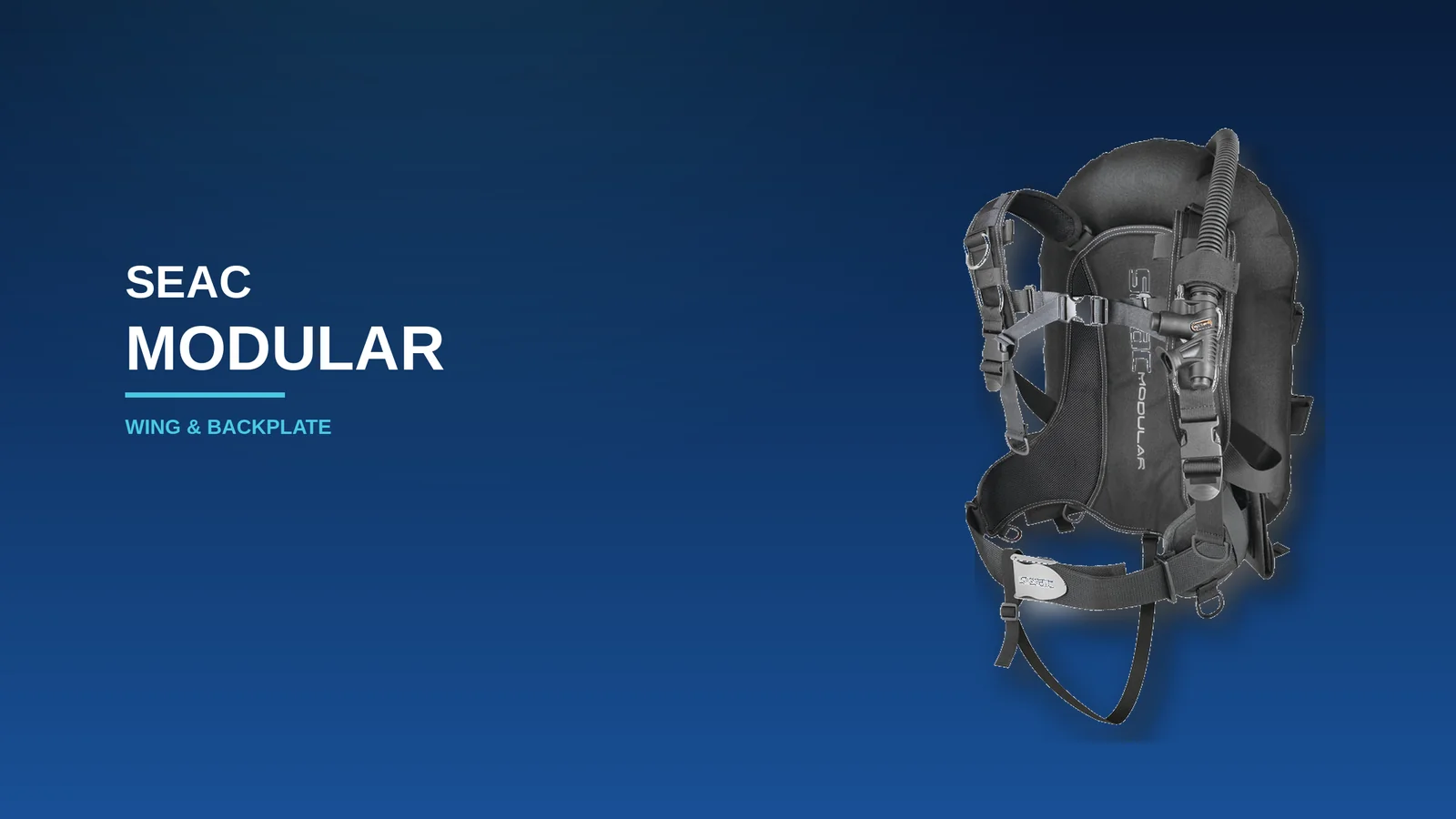
| Modular | Seac | Backplate + Wing (donut modulaire) | 14 kg | 3 kg | 1000D Cordura (harness) + 400µm PU (bladder) | 439 - 589 € | 3.65 / 5 |
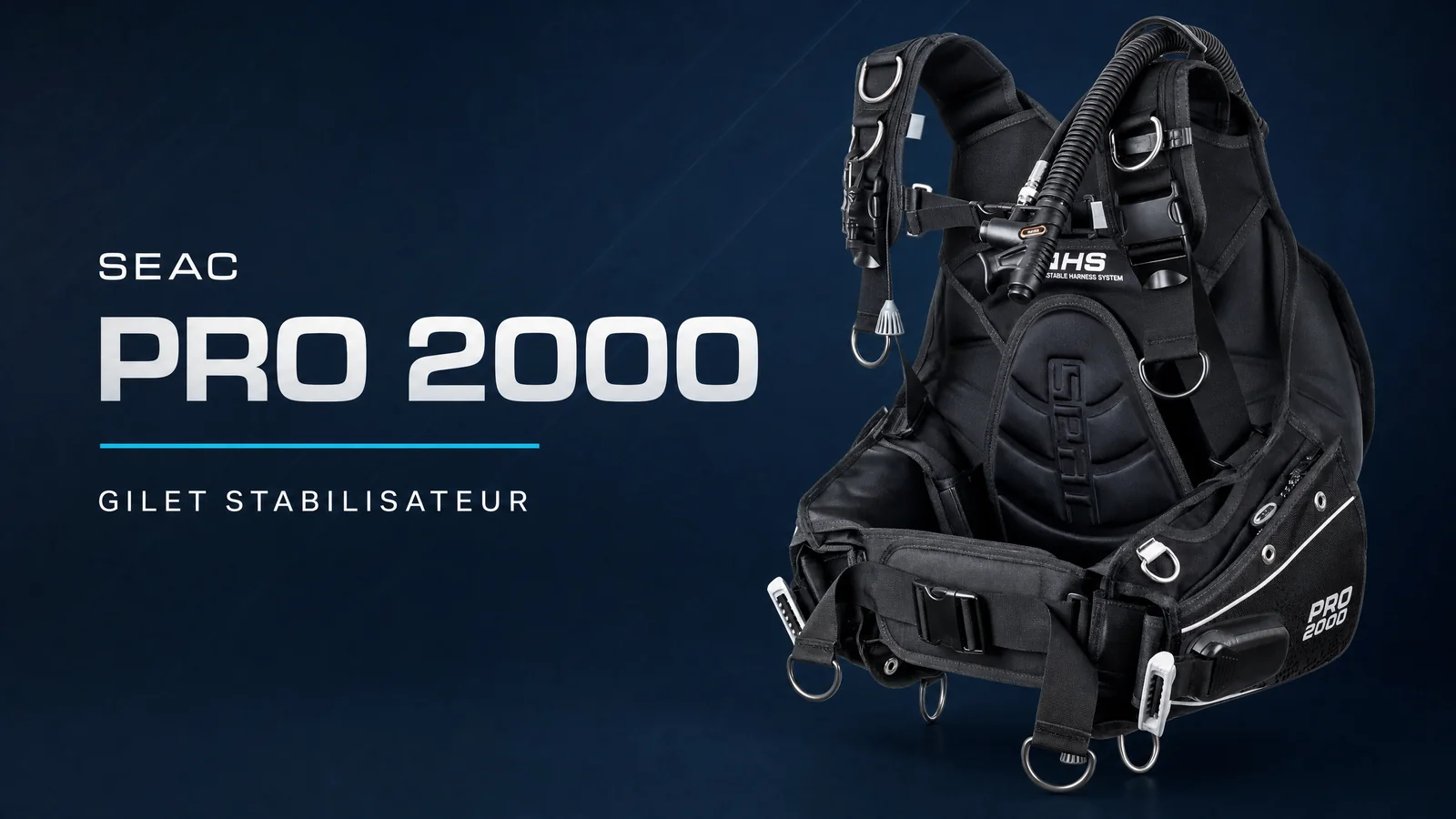
| Pro 2000 | Seac | Back-inflate hybride | 16 kg | 2.8 kg | 420D nylon | 449 - 549 € | 3.55 / 5 |
| Smart | Seac | Jacket enveloppant | 15 kg | 2.7 kg | 420D nylon | 279 - 379 € | 3.02 / 5 |
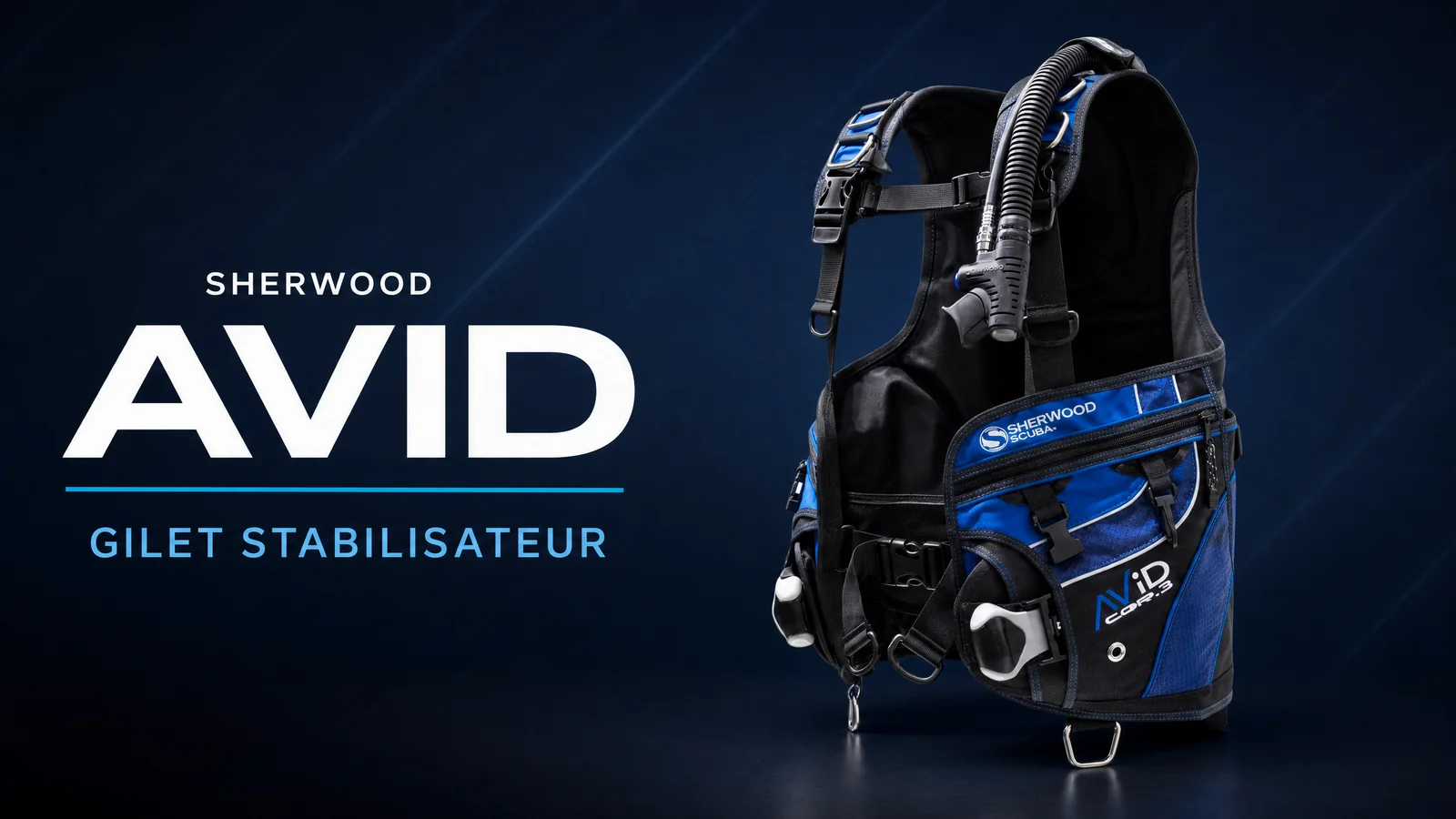
| Avid | Sherwood | Jacket enveloppant | 15.9 kg | 3 kg | 420D nylon | 549 - 699 € | 3.67 / 5 |
| Silhouette | Sherwood | Jacket femme | 14.5 kg | 2.5 kg | 420D nylon | 449 - 549 € | 3.47 / 5 |
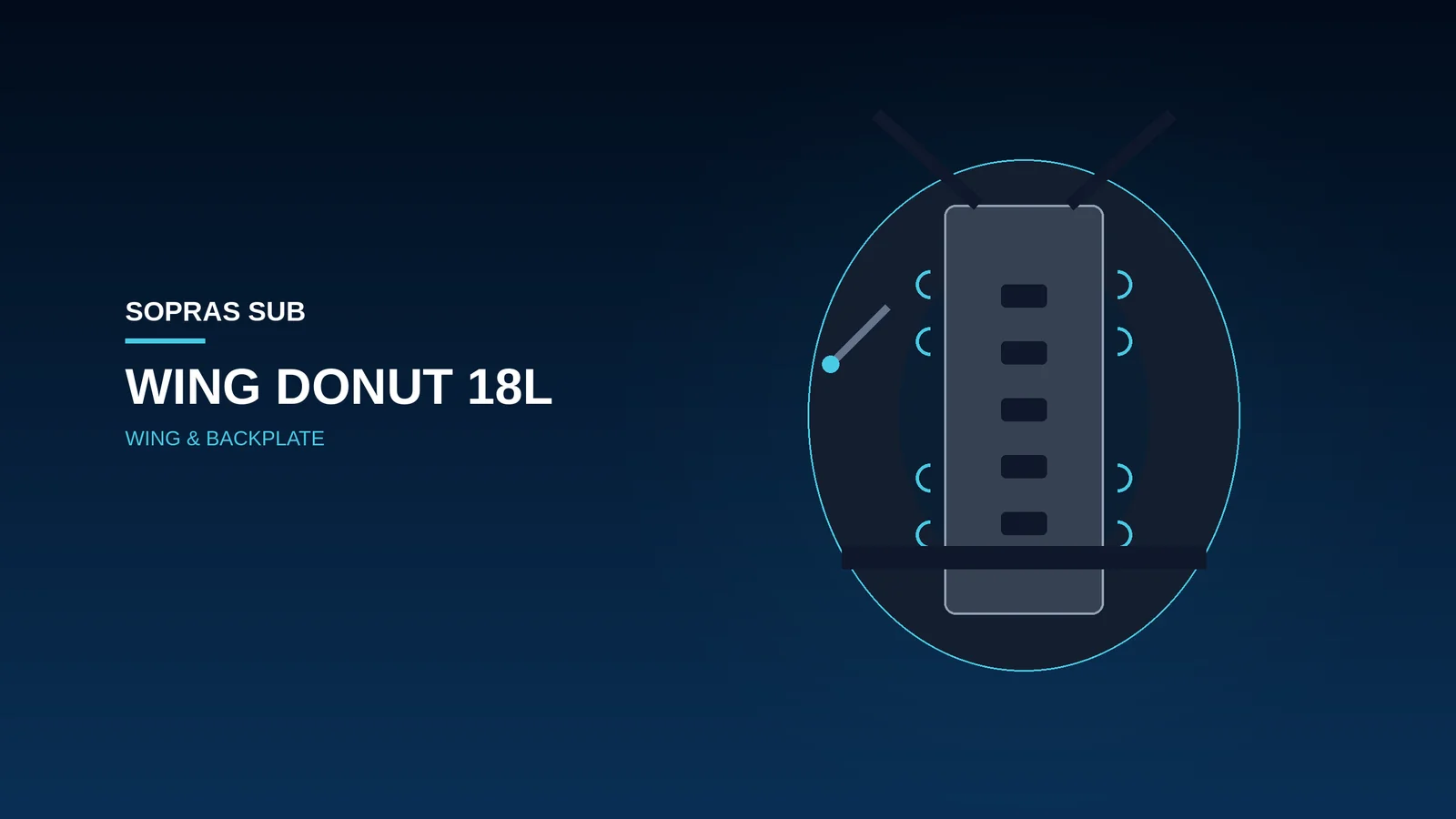
| Wing Donut 18L | Sopras Sub | Backplate + Wing donut (entrée technique) | 8.2 kg | 2 kg | 600D nylon | 249 - 349 € | 2.55 / 5 |
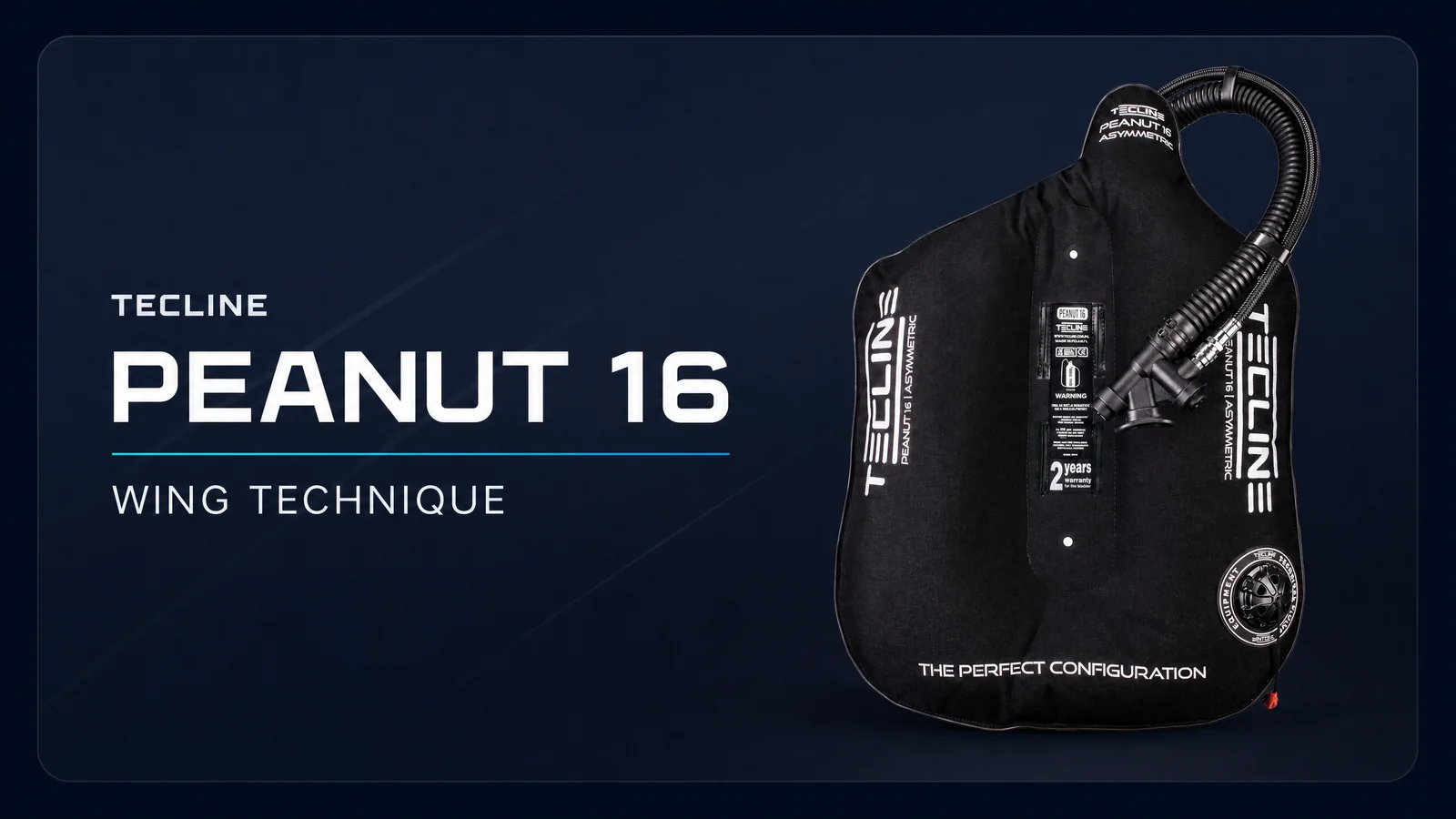
| Peanut 16 + Comfort Harness | Tecline | Backplate + Wing asymétrique voyage | 16 kg | 2.8 kg | Cordura 1000D externe + PU240 interne | 499 - 649 € | 3.81 / 5 |
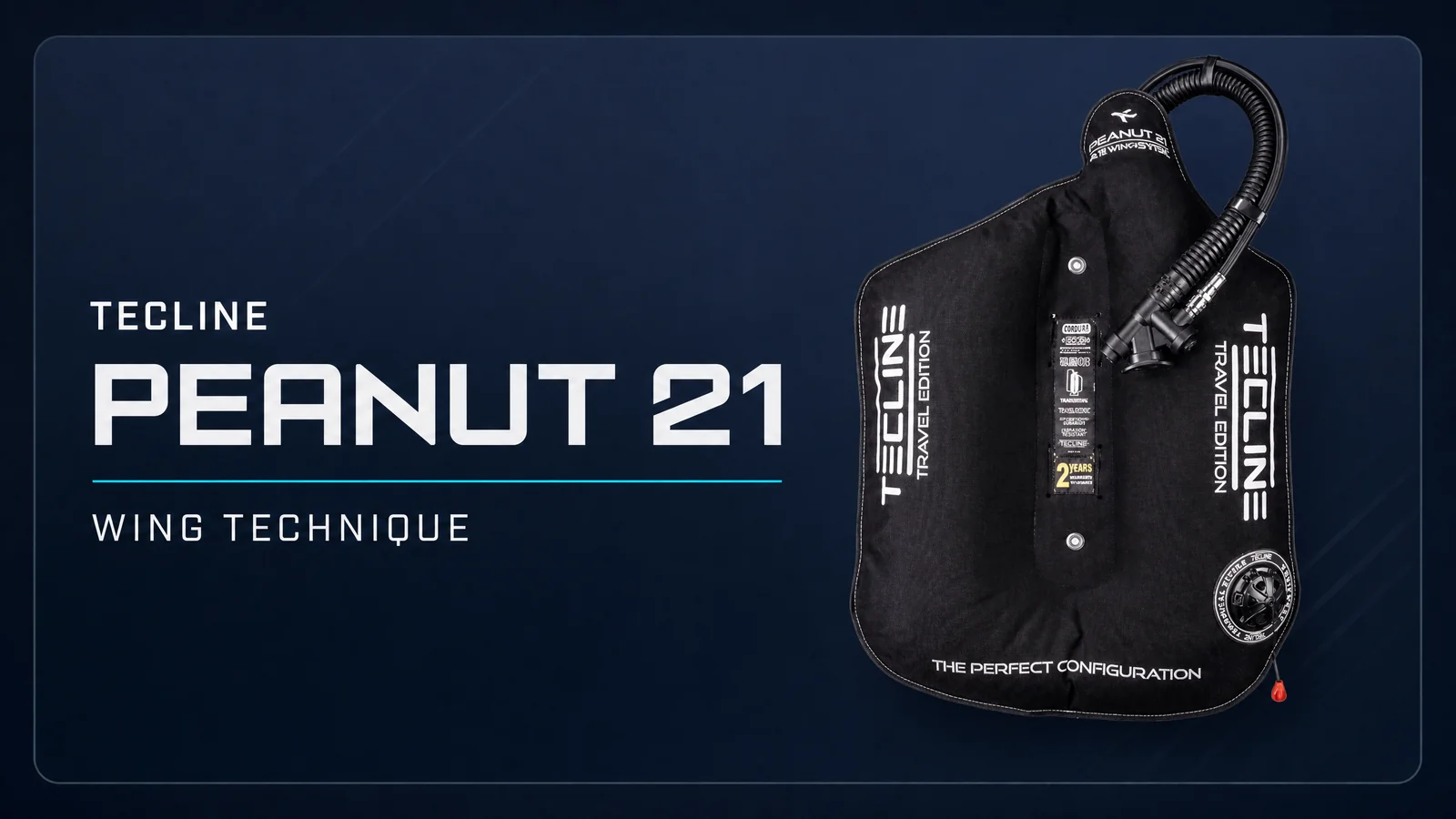
| Peanut 21 + Comfort Harness | Tecline | Backplate + Wing asymétrique forte portance | 21 kg | 2.9 kg | Double couche résistante (matériau exact à confirmer selon millésime) | 549 - 699 € | 3.9 / 5 |
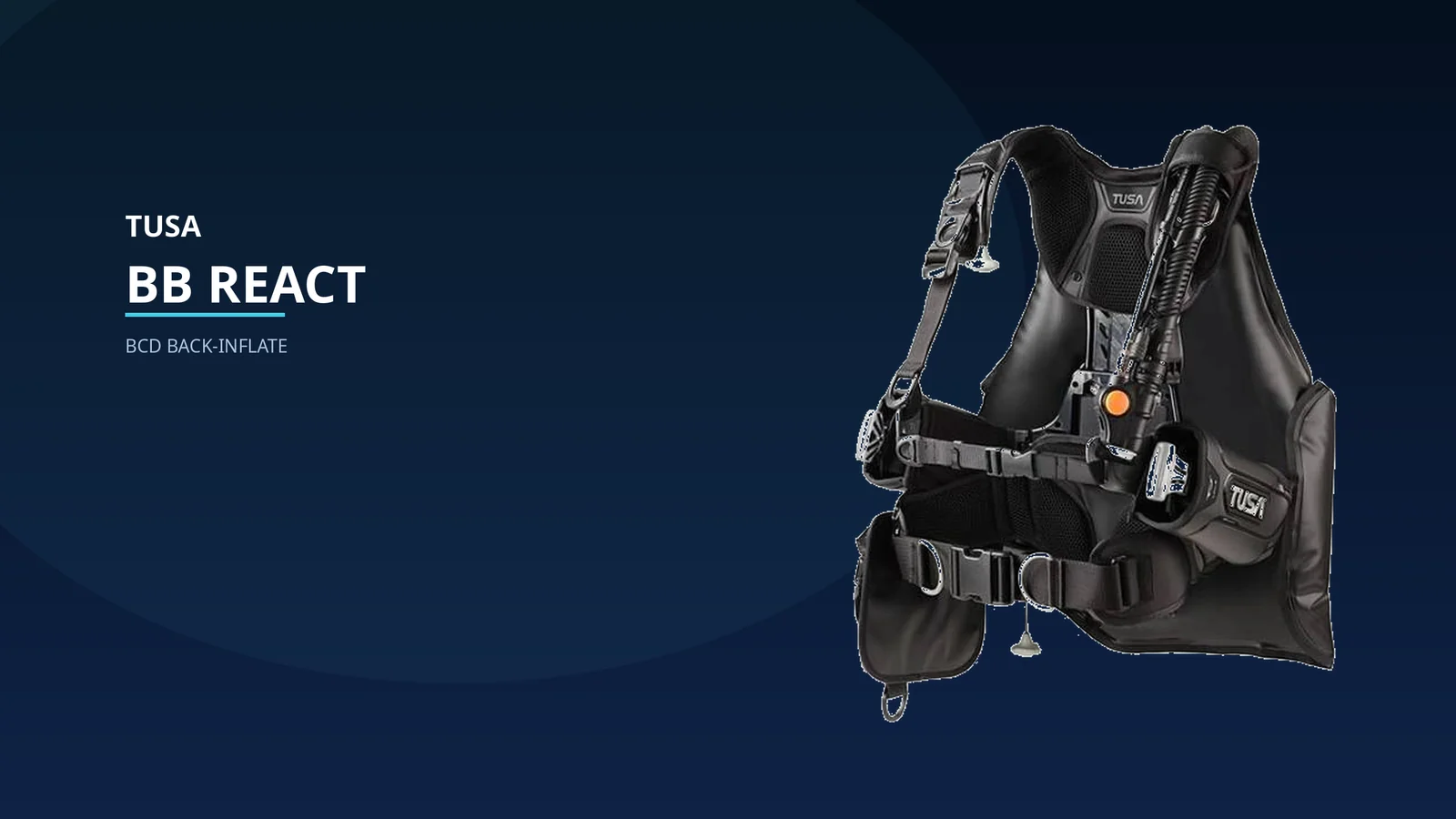
| BB React | Tusa | Back-inflate loisir | 18 kg | 2.8 kg | 420D nylon | 399 - 499 € | 3.6 / 5 |
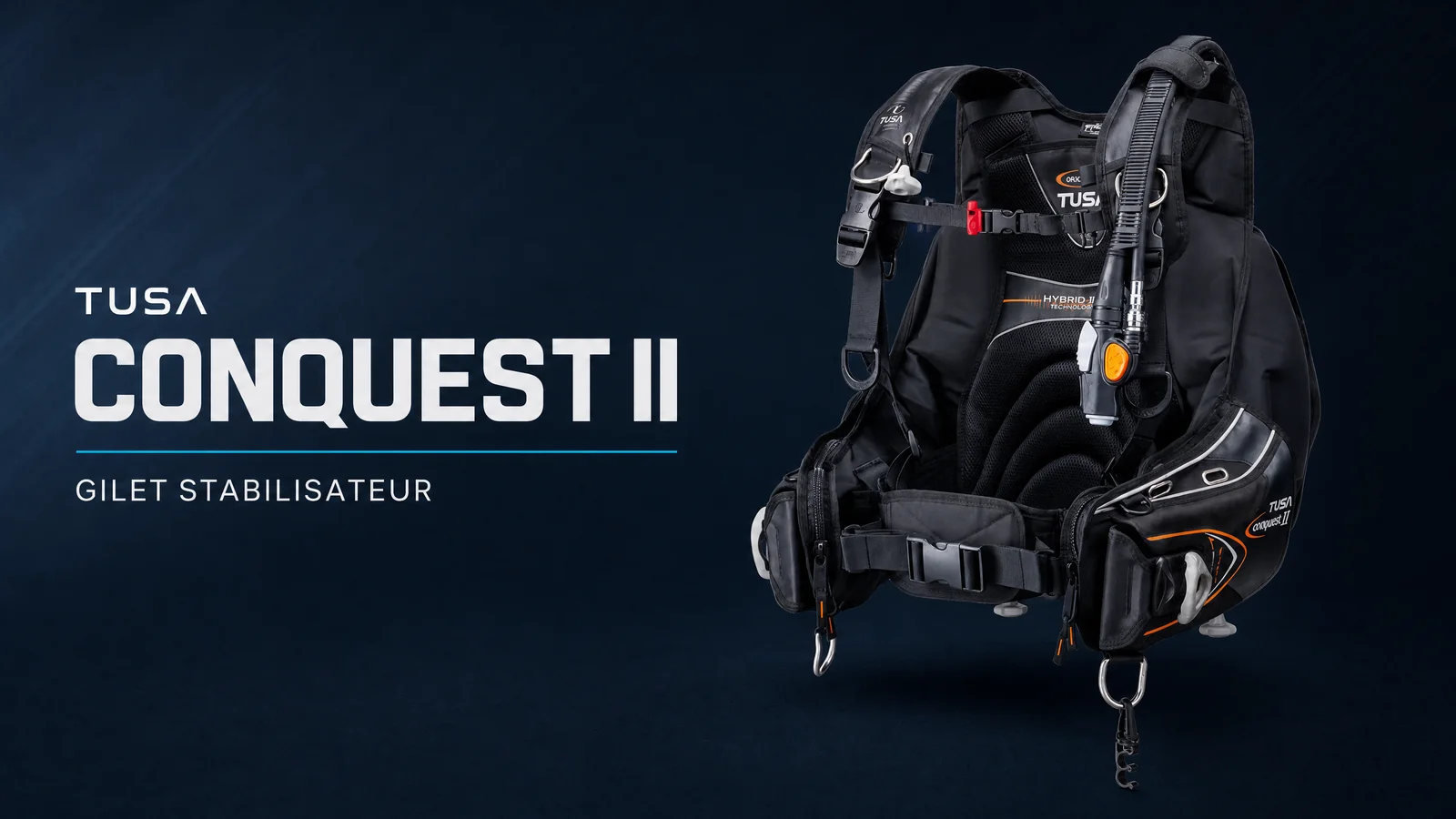
| Conquest II BC-0201 | Tusa | Jacket enveloppant premium | 20.4 kg | 3.4 kg | 840D/420D nylon | 479 - 579 € | 3.82 / 5 |
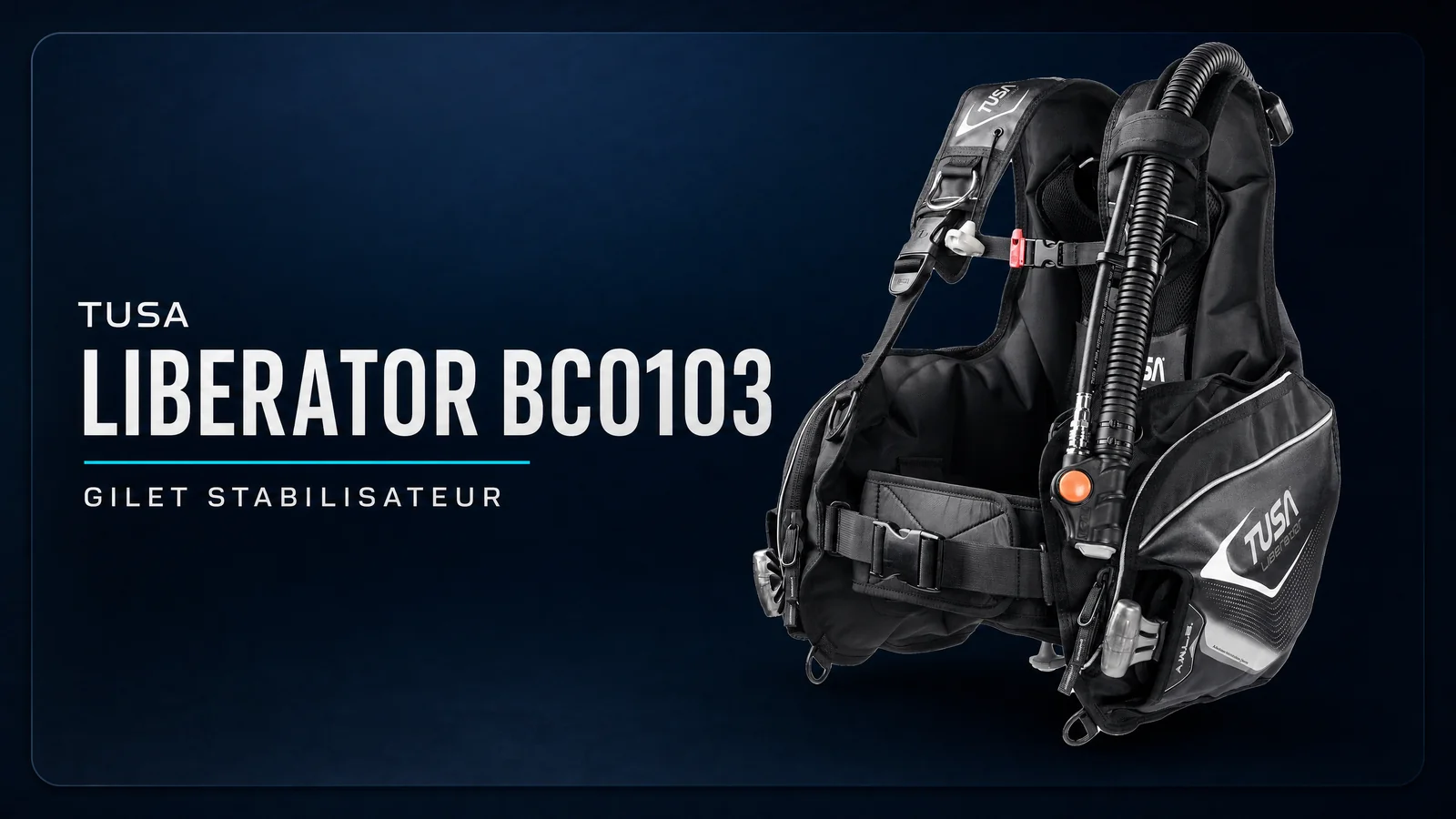
| Liberator BC-0103 | Tusa | Jacket enveloppant | 15.3 kg | 3.2 kg | 500D Cordura | 329 - 429 € | 3.27 / 5 |
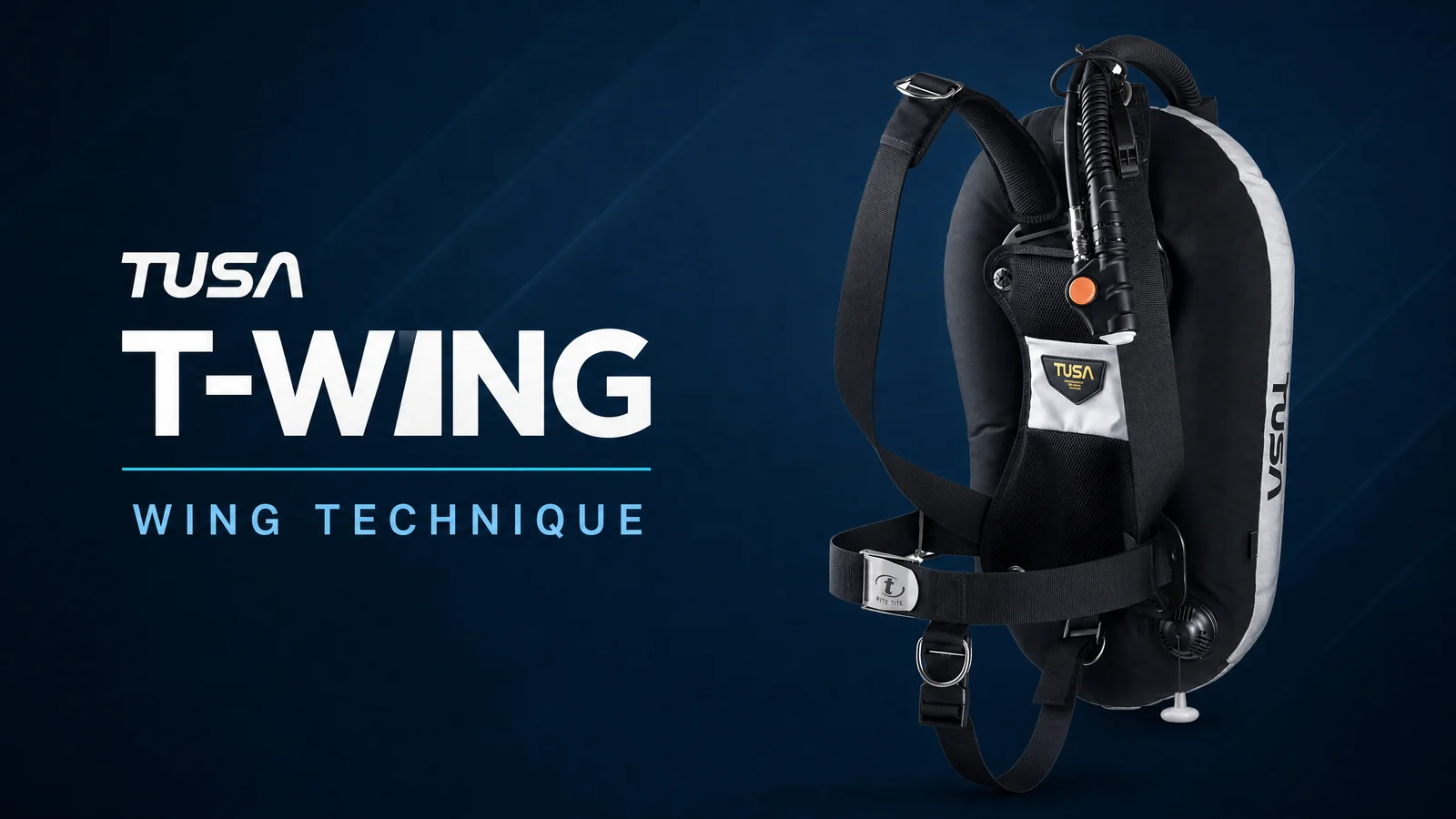
| T-Wing | Tusa | Backplate + Wing (loisir) | 12.2 kg | 2.5 kg | 1000D Cordura | 449 - 549 € | 3.52 / 5 |
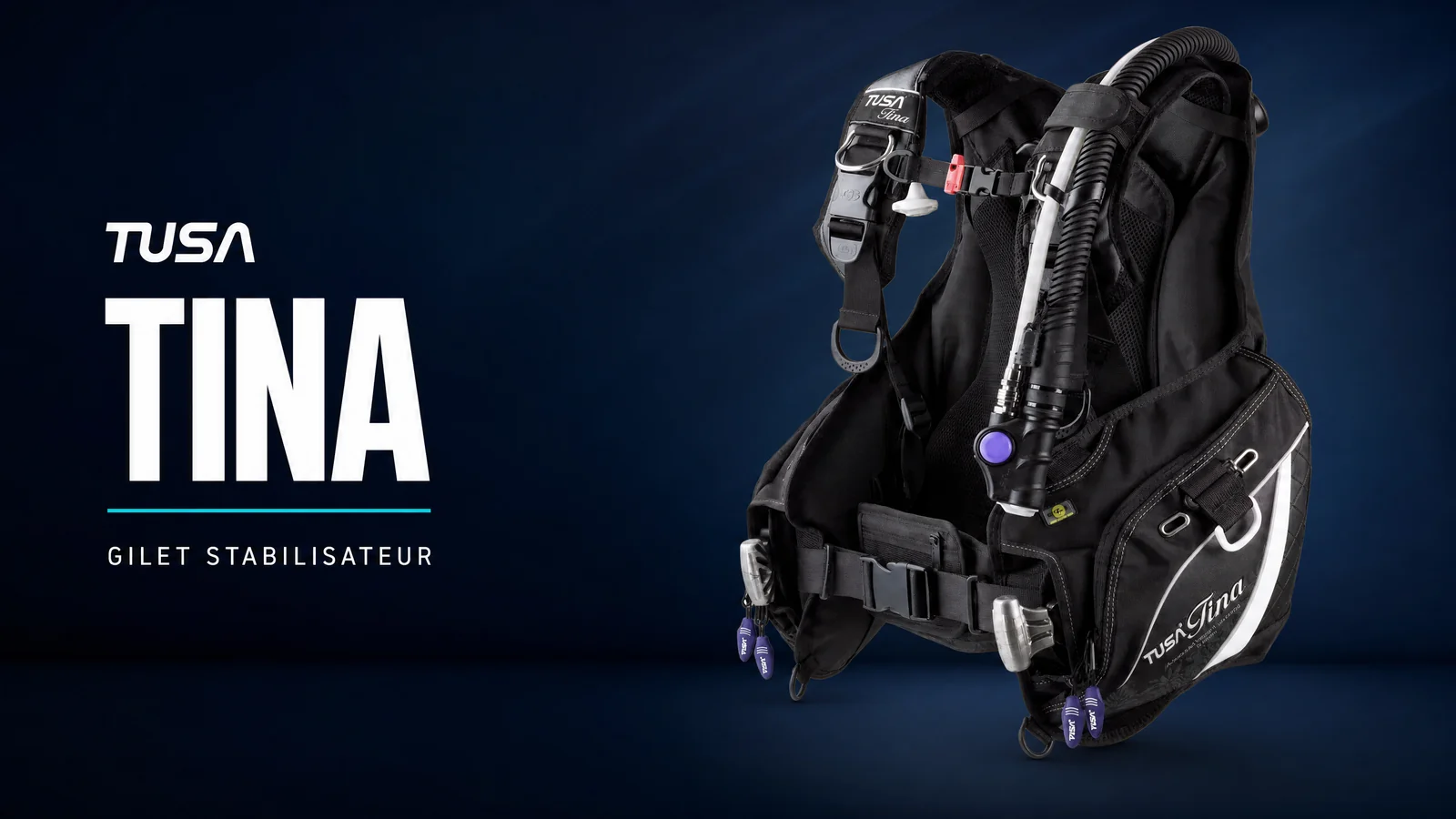
| Tina (femme) | Tusa | Jacket femme | 16.3 kg | 2.6 kg | 500D/420D Cordura | 349 - 449 € | 3.3 / 5 |
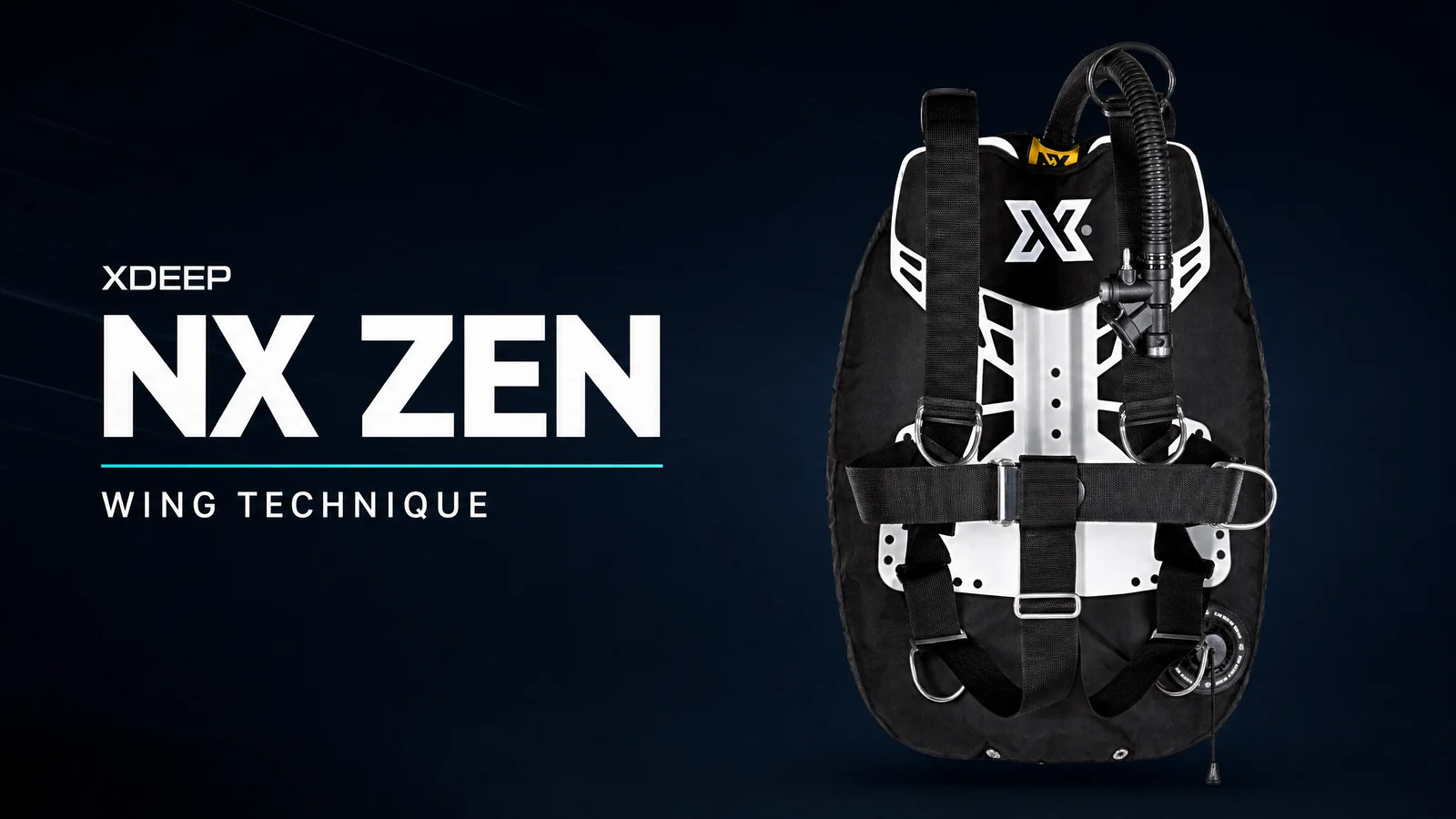
| NX Zen | XDeep | Backplate + Wing (donut) | 19 kg | 3.2 kg | Ballistic nylon haute résistance | 599 - 799 € | 4.17 / 5 |
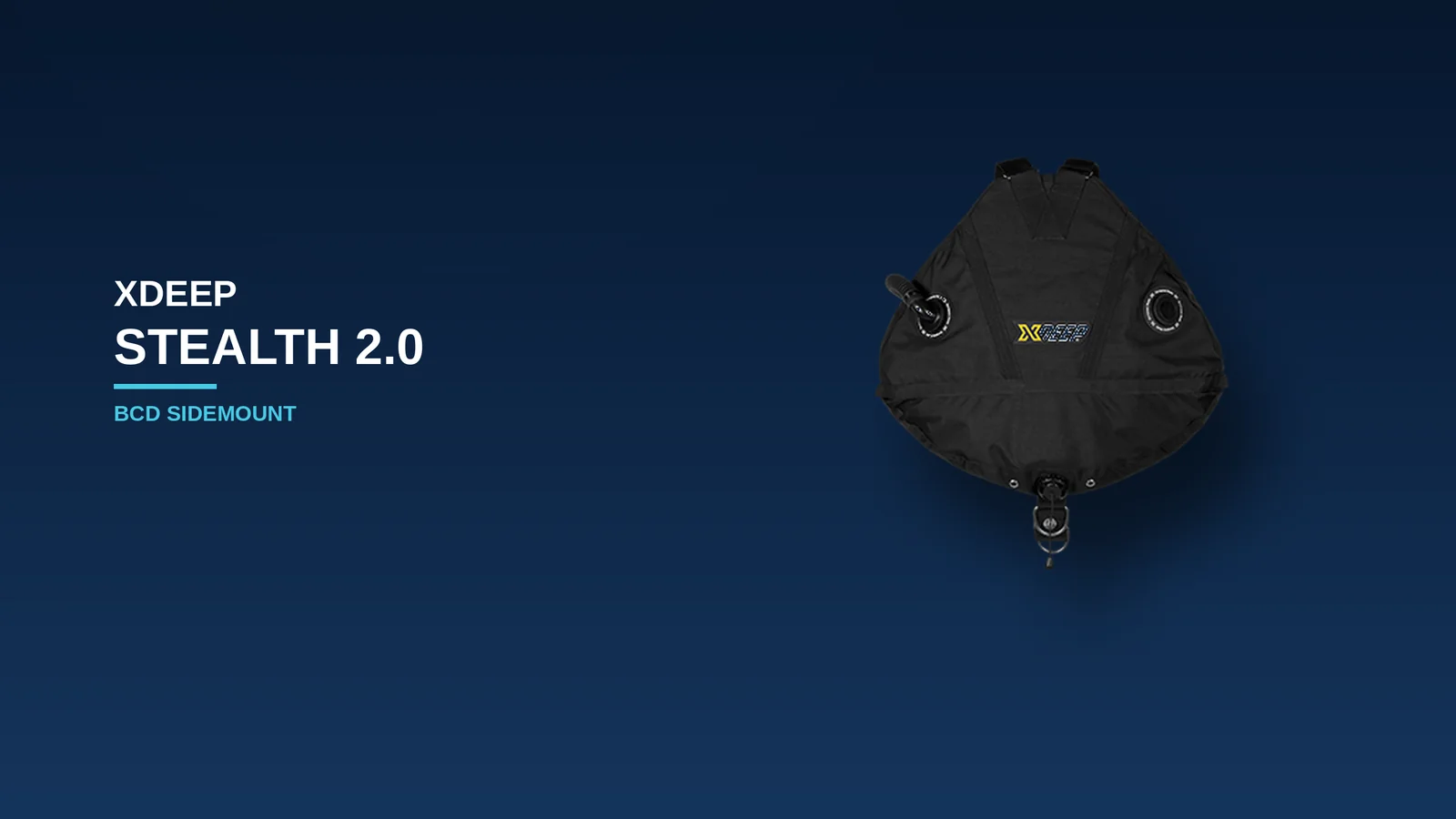
| Stealth 2.0 | XDeep | Sidemount | 16 kg | 3 kg | Nylon balistique haute résistance | 749 - 899 € | 4.68 / 5 |
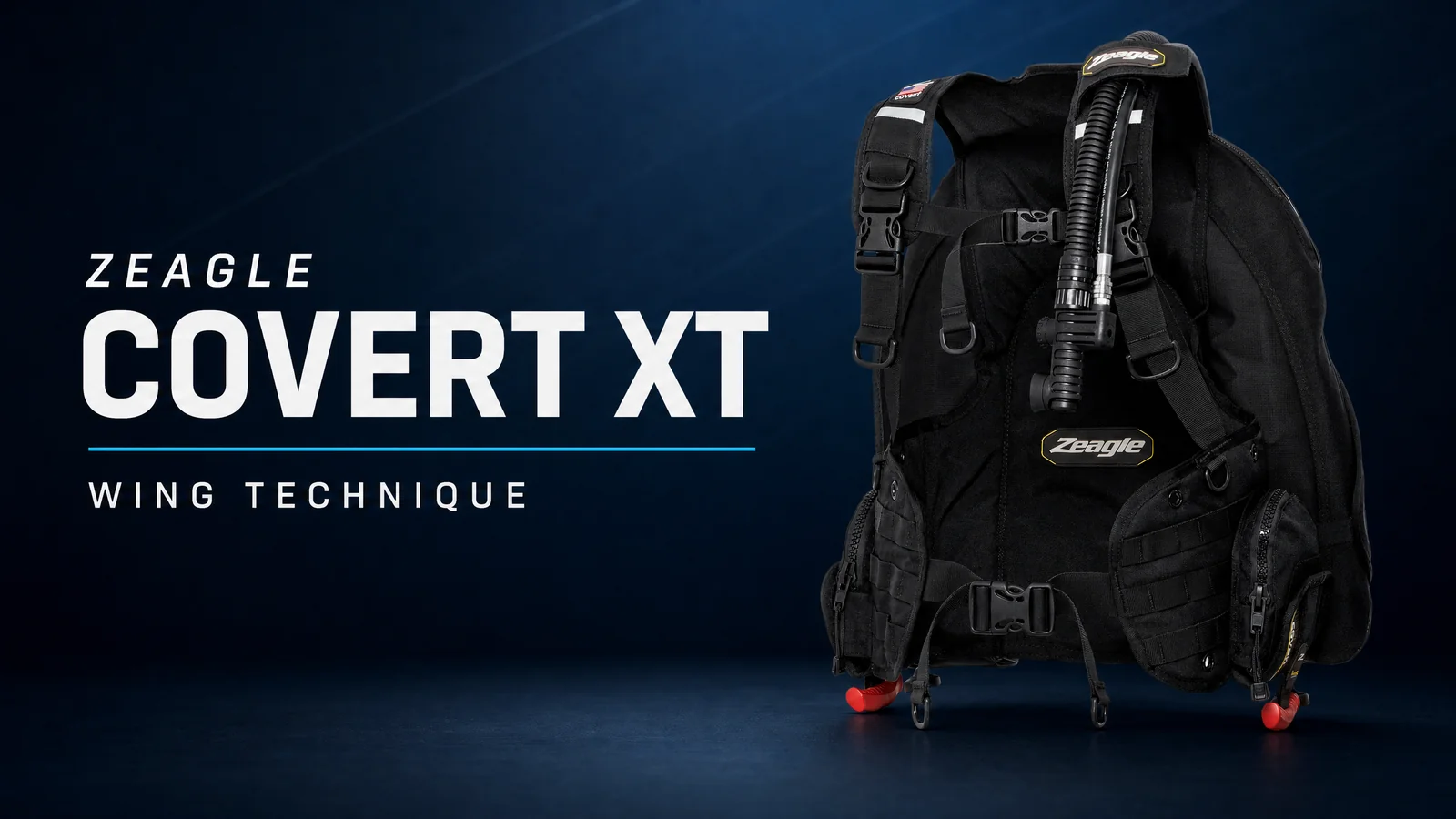
| Covert XT | Zeagle | Back-inflate voyage minimaliste | 15.9 kg | 2.27 kg | Nylon Cordura 1000D + matériau élastique | 399 - 499 € | 3.25 / 5 |
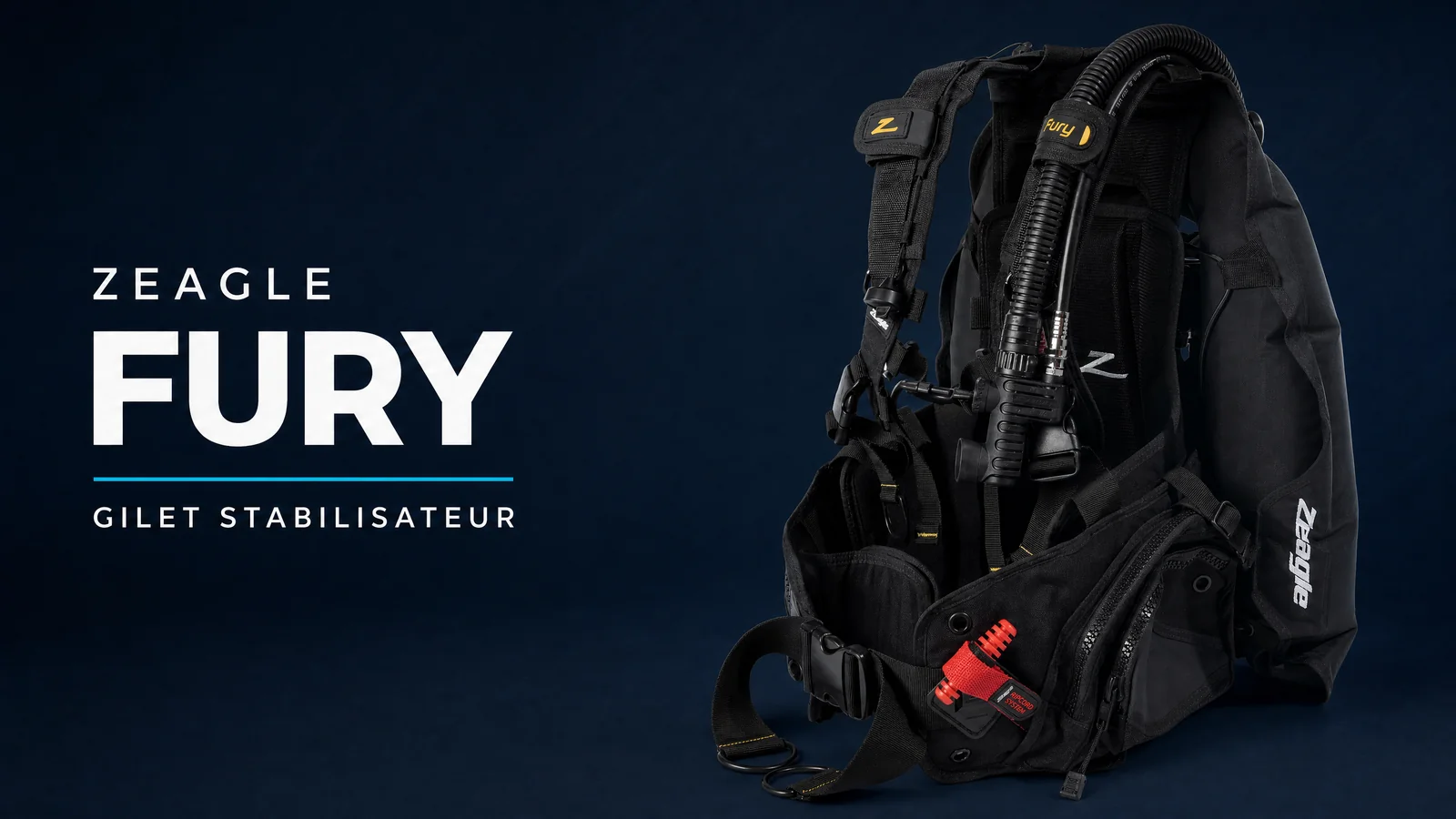
| Fury | Zeagle | Back-inflate polyvalent ajustable | 15 kg | 3.5 kg | Nylon 1000D | 549 - 699 € | 4.21 / 5 |
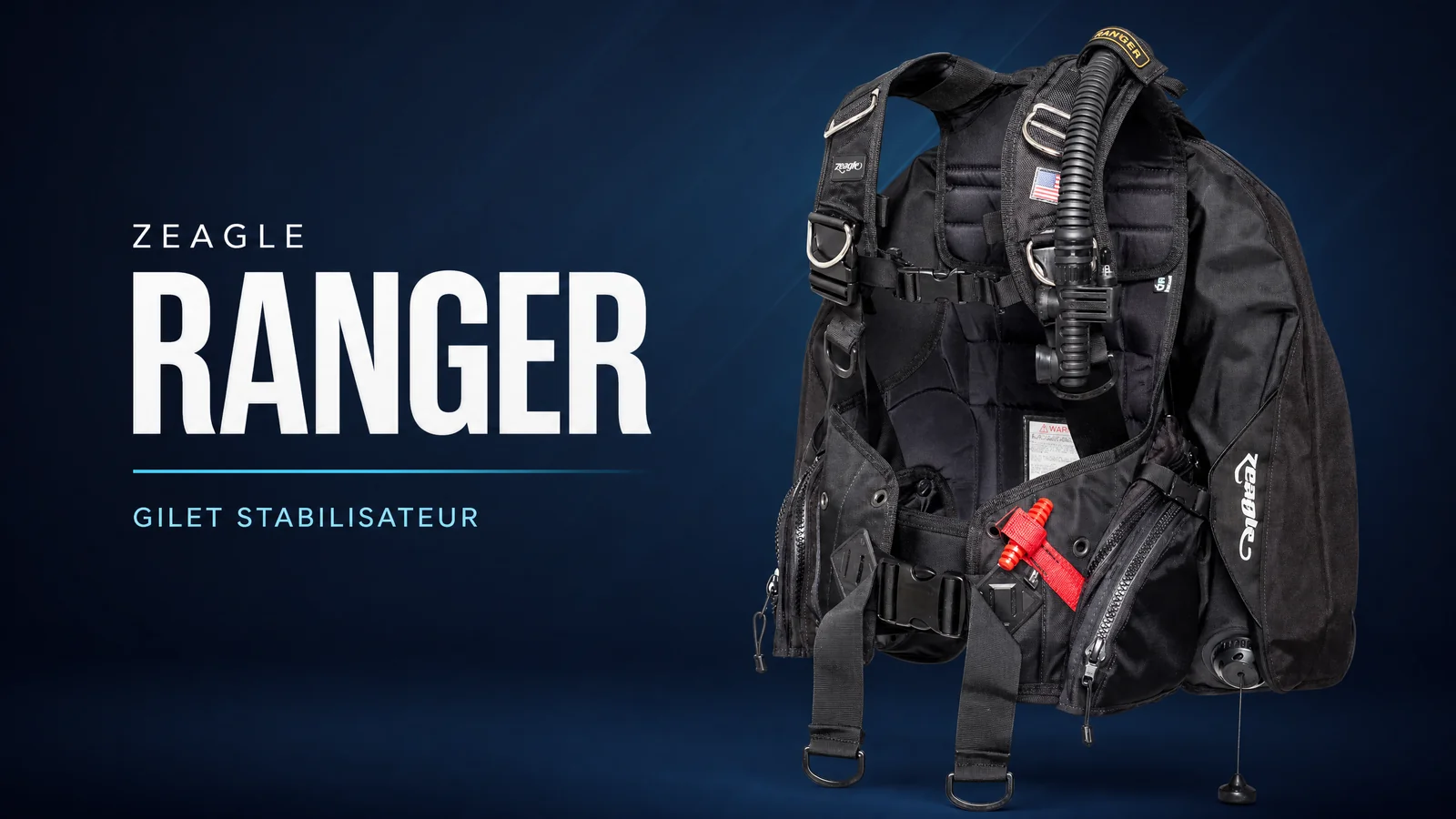
| Ranger | Zeagle | Jacket robuste USA | 20 kg | 3.8 kg | Ballistic nylon renforcé | 599 - 749 € | 4.3 / 5 |
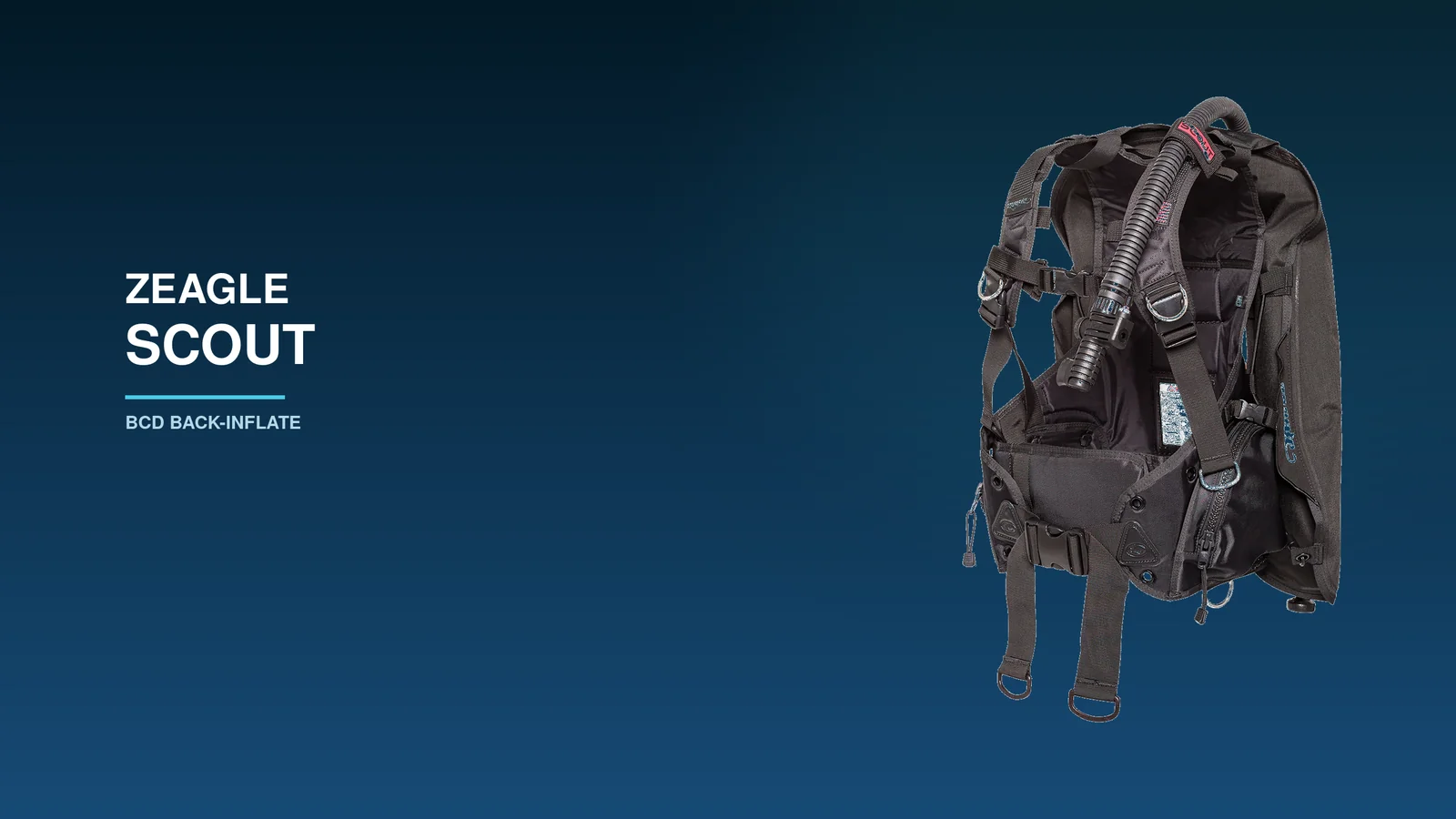
| Scout | Zeagle | Back-inflate voyage | 10.9 kg | 2.5 kg | Cordura 1000D | 349 - 449 € | 3.35 / 5 |
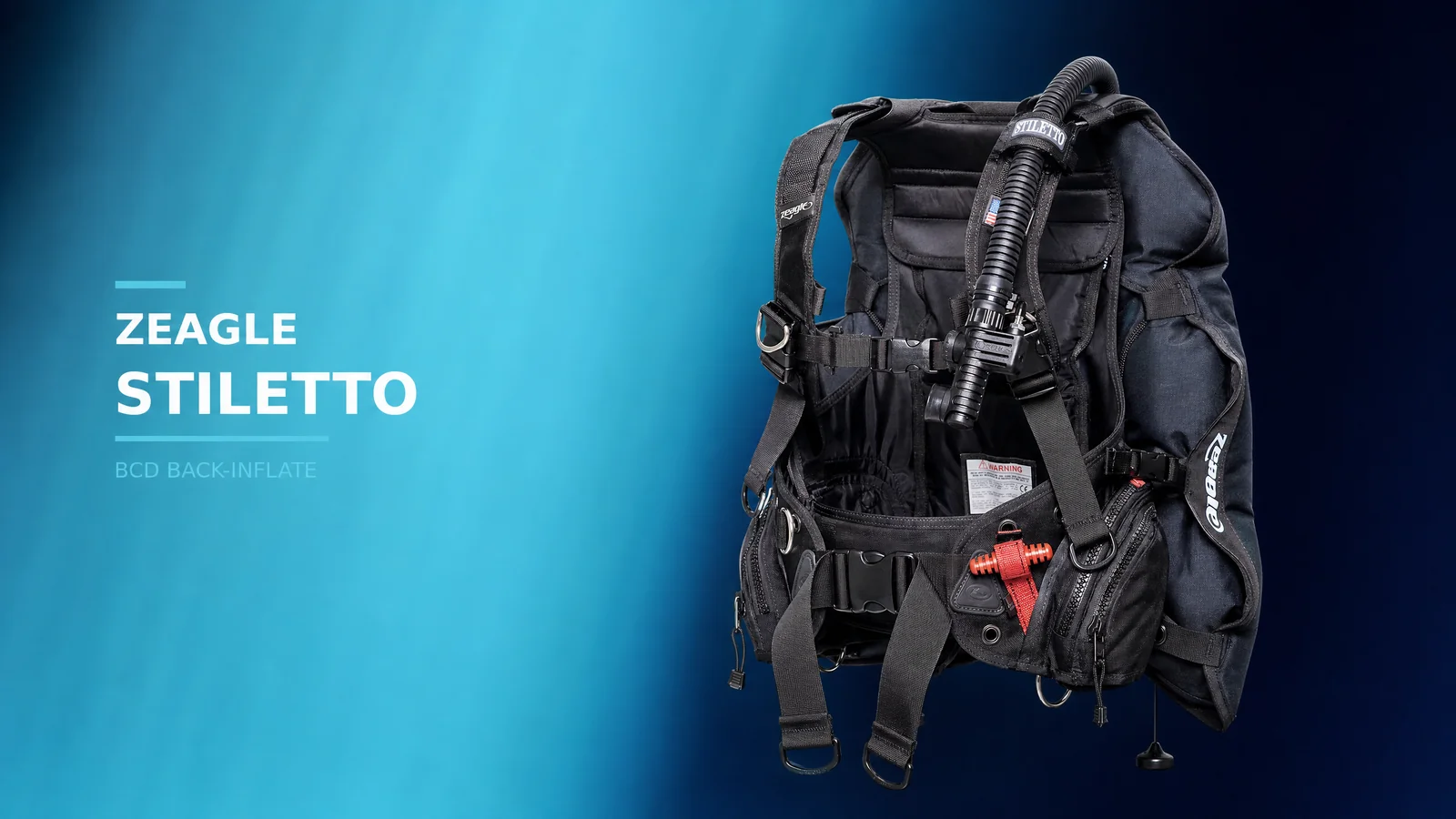
| Stiletto | Zeagle | Back-inflate voyage | 18 kg | 3.4 kg | Ballistic nylon | 449 - 549 € | 4.08 / 5 |
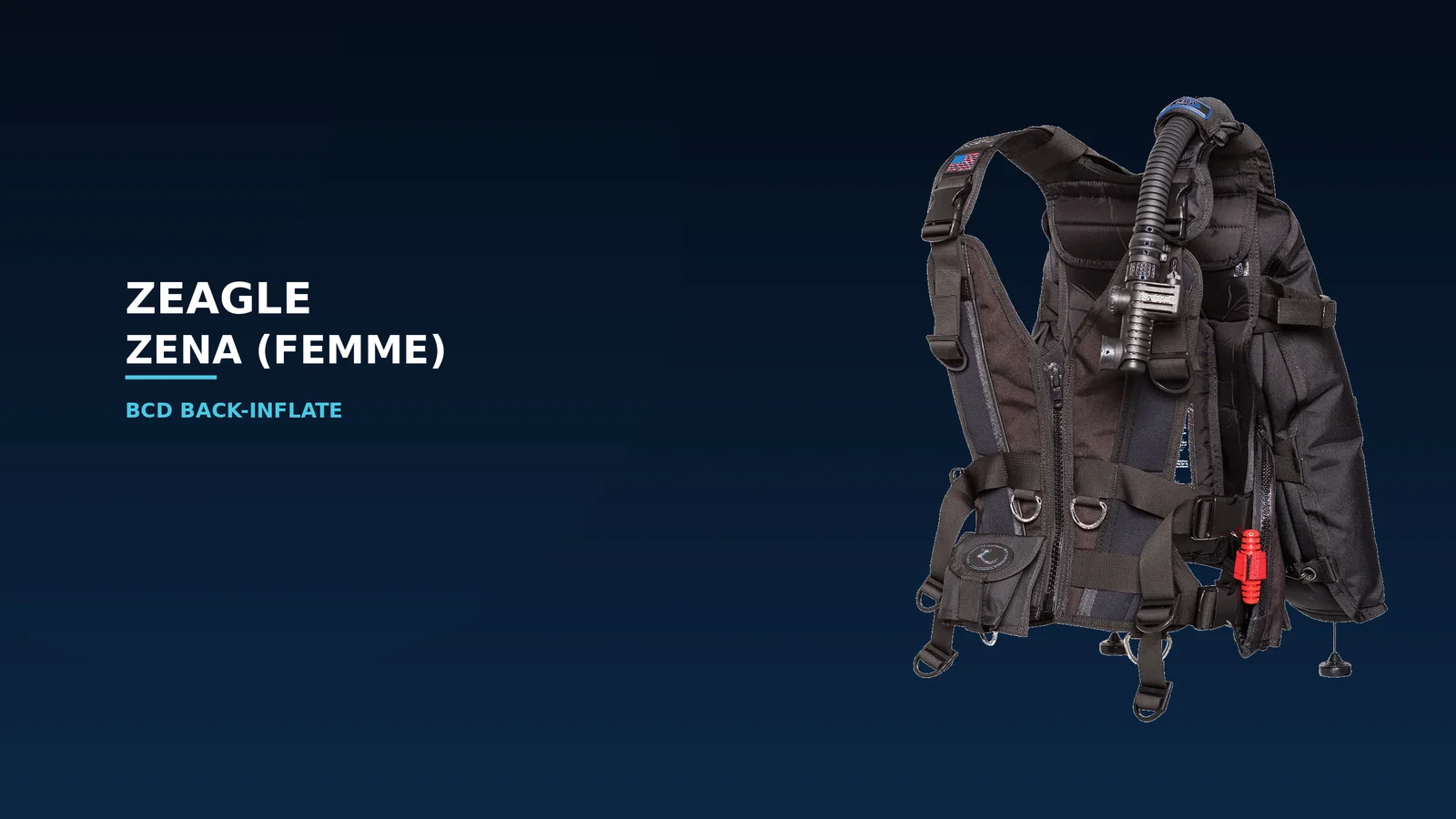
| Zena (femme) | Zeagle | Back-inflate femme ajustable | 14 kg | 2.8 kg | Nylon balistique 1050D | 499 - 599 € | 3.95 / 5 |
| Hydrotank System | Avelo | Système Hydrotank (Alternative BCD) | 15 kg | 9.5 kg | Composite carbone / polymère haute résistance | 1800 - 2400 € | 4.2 / 5 |
Instructor Note by Benjamin Coste
Your BCD is not an elevator: true buoyancy starts with your breath
Many divers hope an expensive BCD will solve unstable trim or high air consumption. In reality, a BCD simply offsets cylinder weight and suit compression at depth. The rock-solid immobility needed to approach marine life peacefully and shoot crisp natural light photos comes 90% from calm breathing and lung volume control.
To master millimeter-precise buoyancy, refine your horizontal trim, and capture vibrant natural light images without disturbing marine wildlife, discover our formation AquaExposure.
How to Choose Your Scuba BCD: Practical Guide
The buoyancy control device (BCD) serves two vital roles in scuba diving: compensating for wetsuit compression under hydrostatic pressure at depth, and providing positive surface safety flotation.
1. Jacket-Style BCDs
The bladder wraps around the hips and torso. Ideal for beginners as it naturally keeps you upright at the surface, though slightly bulkier underwater.
2. Back-Inflate BCDs
All air volume is positioned on your back. Leaves your chest completely free, offering superior comfort for underwater photography and horizontal swimming.
3. Technical Wings & Backplates
Modular system with a metal backplate, continuous harness webbing, and a donut bladder. Extreme durability, easy servicing, and rock-solid trim with twin sets.
Frequently asked questions about scuba BCDs
Which scuba BCD should I choose as a beginner?+
For beginners in recreational diving, a traditional jacket-style BCD or a hybrid back-inflate is ideal. It provides excellent vertical stability at the surface and reassuring comfort through even air distribution.
What is the difference between a jacket-style, back-inflate BCD, and a wing?+
A jacket BCD wraps air around your torso, keeping you upright at the surface. A back-inflate BCD places the air bladder solely behind you for maximum freedom of movement. A Wing consists of a backplate, harness, and donut bladder, preferred in technical diving and underwater photography for optimal horizontal trim.
How much lift capacity do I need for my BCD?+
Required lift depends on your ballast, wetsuit thickness, and tank type. For single-tank recreational diving in warm waters, 12 to 15 kg (27 to 33 lbs) is plenty. In cold water with thick wetsuits or heavy steel tanks, aim for 18 to 22 kg (40 to 50 lbs) of lift.
Why choose a back-inflate BCD or wing for underwater photography?+
In underwater photography, a back-inflate BCD or wing leaves your chest completely clear. This makes framing close to the seafloor easier without disturbing marine life, while naturally keeping your body in a stable horizontal trim.
How do you calculate surface lift safety margin?+
At the surface at the start of a dive, your inflated BCD must offset the weight of your ballast, your heavy full tank, and your suit buoyancy, while maintaining at least 5 kg of positive reserve to keep airways clear without kicking.